Acacia

Acacia Flowers in Liqueur Making: Honeyed Floral Elegance

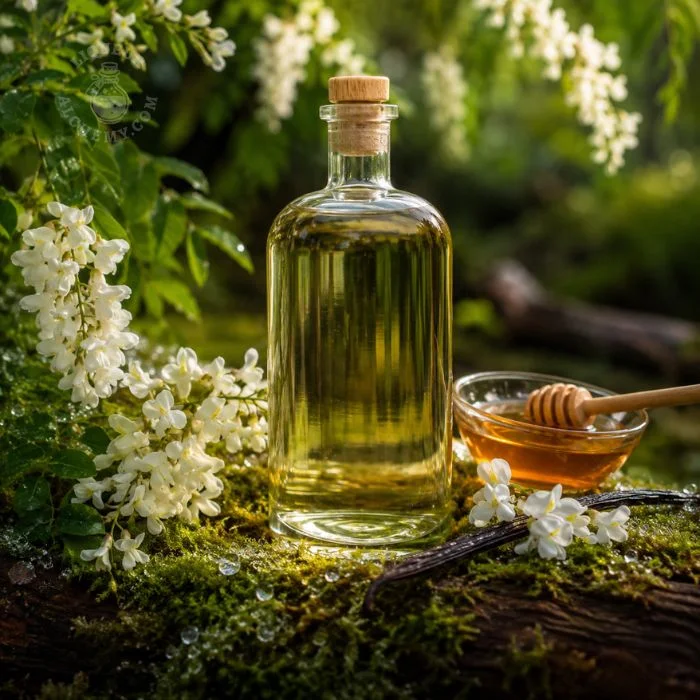
Acacia flowers bring a light honeyed fragrance, soft floral sweetness, and delicate spring character to liqueurs. Their aroma is subtle rather than heavy, making them ideal for refined infusions where elegance, freshness, and smooth floral depth are desired. In alcohol, acacia can create a pale, fragrant liqueur with gentle nectar notes, especially when balanced with mild sweeteners, citrus, vanilla, or light spices.

Acacia

Home / Ingredients / Flowers / Acacia

Acacia Flavor Profile

Delicate floral, honeyed, lightly sweet, nectar-like, soft, spring-like, subtly green, elegant, aromatic.
Acacia Impact on Liqueurs

Acacia adds a gentle floral perfume, natural honey-like softness, and refined aromatic lift. It works best in light, elegant liqueurs where the flower character can remain clear without being overwhelmed by strong spices or dark spirits.

How to Use Acacia?

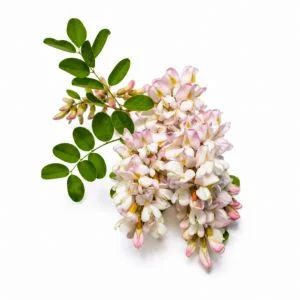
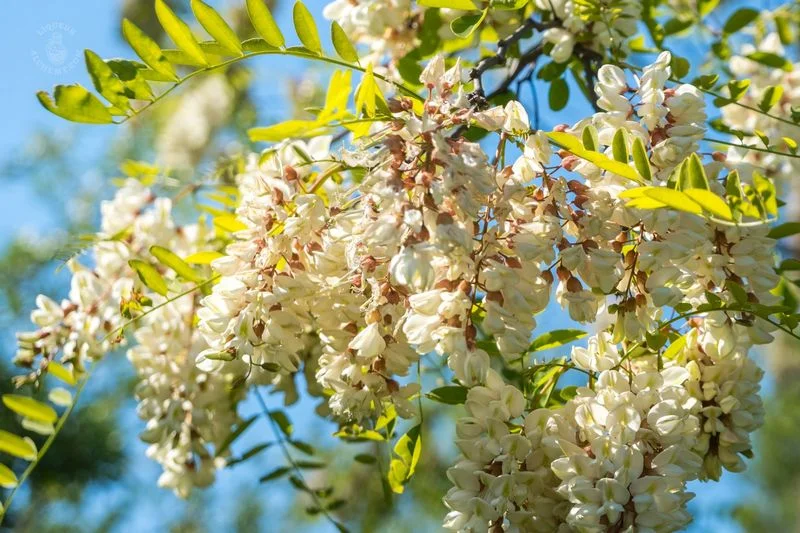
Use fresh, clean acacia flowers gathered away from roads and pollution. Remove green stems and use mainly the white blossoms. Infuse gently for a short to medium time, tasting often, as the floral aroma can fade or become grassy if over-macerated. Pair with mild sweeteners and avoid overpowering spices.

Acacia Pairing Suggestions

Vodka, Honey, White Sugar, Lemon, Vanilla, Elderflower, Pear, Apple, Orange, Mint
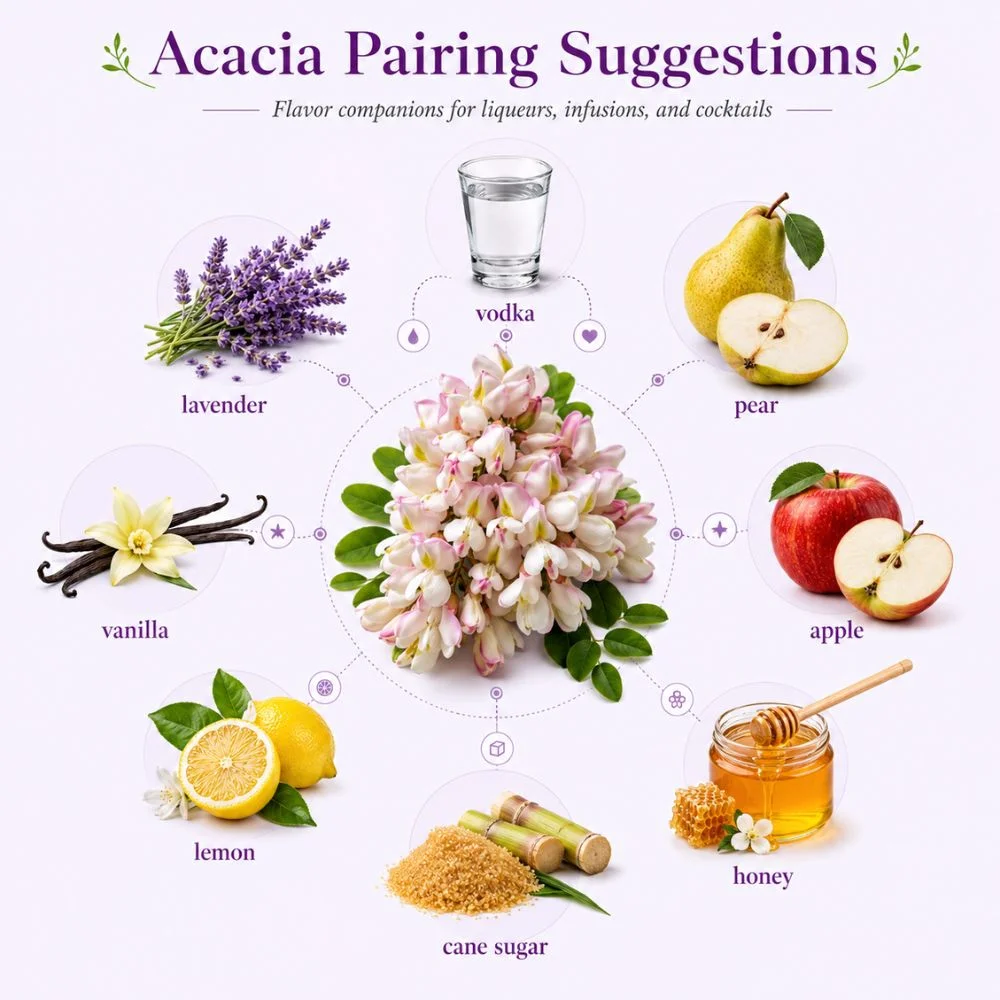
Acacia pairing suggestions for liqueur making

Acacia FAQ


Acacia flowers release flavor gradually as alcohol dissolves aromatic compounds found within the delicate blossoms. The extraction process captures floral esters, nectar-like notes, and subtle honeyed aromas that define the flower’s character. Unlike fruits that contribute sugars and acids, acacia flowers primarily contribute fragrance and aromatic complexity.

The quality of extraction depends heavily on flower freshness and preparation. Fresh blossoms contain the highest concentration of volatile aromatic compounds. Using mainly the white petals and removing green stems helps prevent unwanted grassy flavors while allowing the floral notes to remain clean and elegant throughout the infusion.

During maceration, alcohol acts as a solvent that gently absorbs the flower’s aromatic oils. As the infusion progresses, the spirit develops soft floral sweetness, delicate perfume, and a refined spring-like character. Regular tasting helps determine the ideal extraction point before unwanted vegetal notes begin to appear.

Fresh acacia flowers have a unique combination of floral, honeyed, and lightly sweet characteristics, but several ingredients can serve as alternatives. Elderflower is often considered the closest substitute because it contributes a similarly delicate floral aroma and works exceptionally well in light spirits.

Other suitable replacements include orange blossom, chamomile, and dried acacia flowers. Orange blossom provides elegant floral notes with a citrus edge, while chamomile contributes gentle sweetness and a soft herbal character. Dried acacia flowers can also be used when fresh blossoms are unavailable, although their aroma is usually less vibrant.

When substituting acacia, it is important to adjust quantities carefully because many floral ingredients are stronger than acacia itself. Starting with smaller amounts allows the liqueur maker to preserve balance and avoid overpowering the finished infusion.

Acacia flowers generally require a relatively short maceration period because their aroma is delicate and easily extracted. In many recipes, a few days to one week is sufficient to capture the desired floral and honey-like notes without introducing unwanted bitterness.

The ideal duration depends on factors such as flower freshness, quantity, alcohol strength, and personal taste preferences. Frequent tasting during the infusion process provides the most reliable way to determine when the flowers should be removed.

Leaving acacia flowers in alcohol for excessive periods may cause the floral notes to fade while grassy or vegetal flavors become more noticeable. Straining the infusion at the right moment helps preserve freshness, elegance, and aromatic clarity.

Acacia contributes a gentle floral fragrance that enhances the overall aromatic complexity of a liqueur. Its character is often described as honeyed, delicate, nectar-like, and lightly sweet rather than intensely perfumed.

In neutral spirits, acacia produces a refined floral bouquet that feels fresh and elegant. When paired with honey, vanilla, pear, or citrus, the flower’s aroma becomes more rounded and expressive without losing its subtle nature.

The overall effect is one of sophistication and balance. Acacia can elevate a simple liqueur by adding aromatic lift and a pleasant spring-like freshness that remains approachable and delicate.

One of the most common mistakes is including too many stems and green flower parts in the infusion. These components can introduce grassy and bitter flavors that mask the flower’s delicate honeyed character.

Another frequent error is leaving the flowers in alcohol for too long. Extended maceration often reduces freshness and allows vegetal compounds to dominate the flavor profile. Strong alcohol can intensify this effect if extraction is not monitored carefully.

Using overpowering spices or dark spirits can also diminish the floral qualities of acacia. Successful acacia liqueurs rely on gentle ingredients that support rather than overshadow the blossom’s natural elegance.
Acacia
Acacia in Liqueur Crafting

More Flowers


LIQUEUR ALCHEMY TOOLS & RESOURCES


Design labels in minutes—beautiful, practical, and ready to print. Choose a tool below to generate bottle or ingredient labels that match your Liqueur Alchemy workflow.
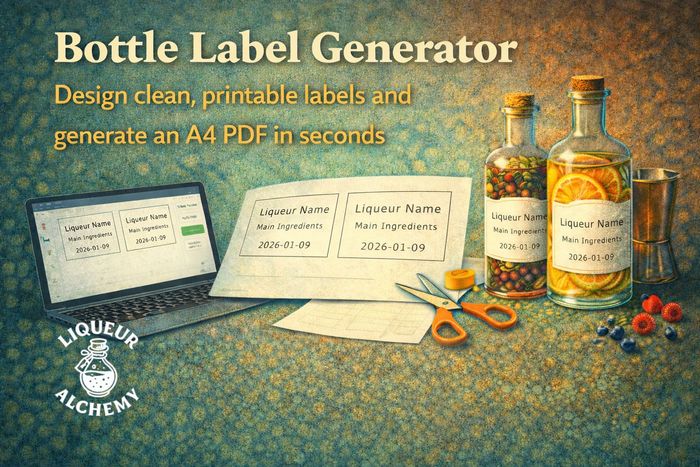
Bottle Label Generator preview

Bottle Label Generator

Create clean bottle labels with your liqueur name, batch details, date — ready for printing and gifting.
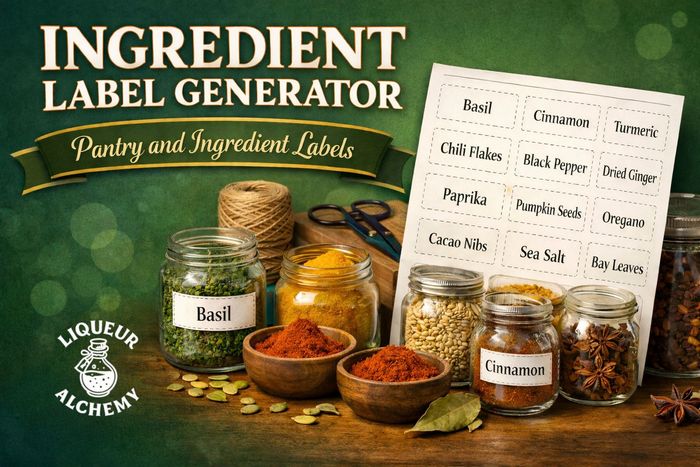
Ingredient Label Generator preview

Ingredient Label Generator

Label jars, containers, and storage bags to maintain clear organization from preparation through infusion and serving.
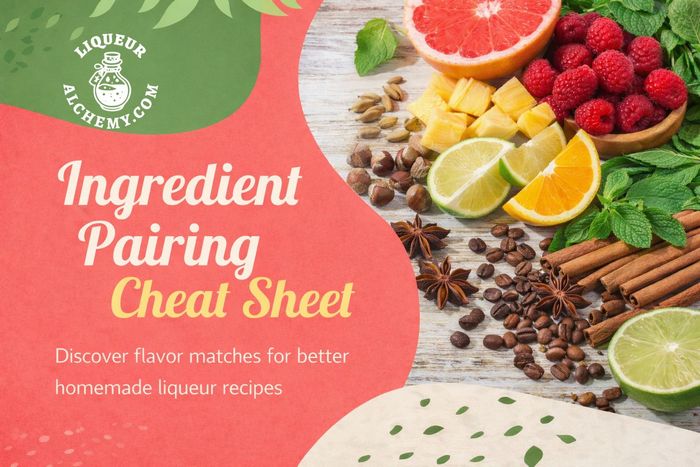
Ingredient pairing cheat sheet for creating balanced homemade liqueurs

Ingredient Pairing Cheat Sheet

Discover flavor combinations that create balanced, complex, and unique homemade liqueurs.