Apple Spice Affair

Apple Spice Affair – Spiced Jonagold Apple Liqueur Recipe

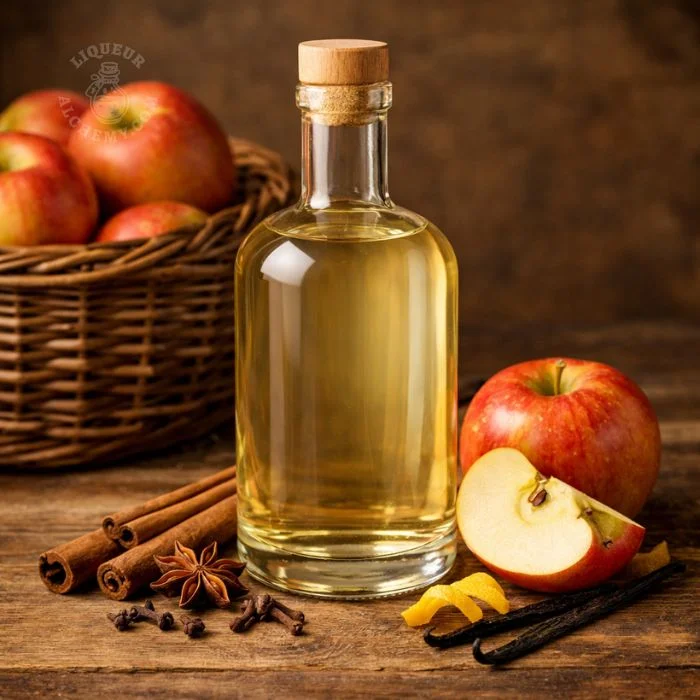
Apple Spice Affair is a refined apple liqueur built on Jonagold apples, balanced by warm spices and soft vanilla. Bright citrus lifts the profile, while cinnamon and clove add depth. The result is smooth, gently spiced, and well-rounded, with a clean apple character and an elegant, lingering finish.

Main notes

  • Vodka
  • Apple

Ingredients

  • Vodka – 1 L
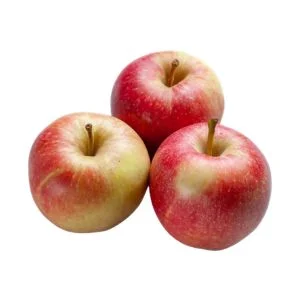
  • Apples (Jonagold) – 1 Kg
  • Brown sugar – 120 g
  • White sugar – 120 g
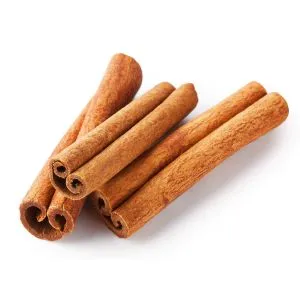
  • Cinnamon – 8 cm sticks
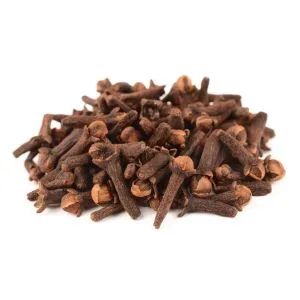
  • Cloves – 4
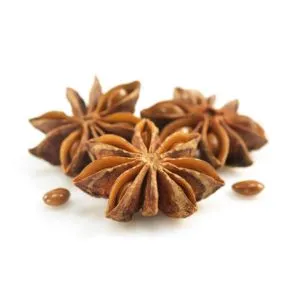
  • Star anise – 1 star
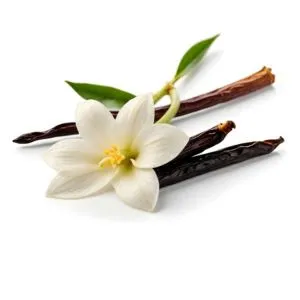
  • Vanilla – 1 pod
  • Lemon – 1/2 (Juice and zest)
  • Long Pepper (Pippali) – 2 pcs

Preparation

  1. Peel the apples and chop into small, even pieces to maximise extraction and flavour release.
  2. Place the apples into a large clean glass jar, leaving some space for shaking.
  3. Add cinnamon sticks, cloves, star anise, and the split vanilla pod.
  4. Add lemon zest and freshly squeezed lemon juice.
  5. Pour the vodka over the ingredients, ensuring everything is fully submerged with no exposed fruit.
  6. Seal tightly and store in a cool, dark place for 6 weeks, shaking gently every 2–3 days.
  7. Taste occasionally after week 4 and remove spices earlier if they become too dominant.
  8. Strain through a fine sieve, then filter through cloth or paper until clear and smooth.
  9. Stir in both sugars until fully dissolved, bottle, and rest for 4 weeks to allow flavours to integrate.
Download

The Story

Apple Spice Affair is where orchard freshness meets quiet indulgence. Built on ripe Jonagold apples, it captures that perfect balance of sweetness and gentle acidity, then wraps it in warm, aromatic spice. Cinnamon and clove bring depth, star anise adds a subtle intrigue, while vanilla softens everything into a smooth, rounded finish. A touch of lemon lifts the profile, keeping it bright and elegant. This is not a heavy winter cordial, but a refined, modern liqueur—inviting, layered, and quietly expressive. A drink that feels both familiar and just a little unexpected, like a classic with a secret.

Who is "Apple Spice Affair" Liqueur for?

For those who enjoy a balance of freshness and warmth. Ideal for slow sippers who appreciate fruit-led liqueurs with subtle spice and elegance. It suits relaxed evenings, autumn moods, or anyone looking for a refined yet approachable homemade spirit.

"Apple Spice Affair" Liqueur Serving Suggestions

Serve lightly chilled in a small glass to highlight its smooth texture and layered spice. Perfect as an after-dinner drink or a quiet evening pour. The apple remains bright, while cinnamon and vanilla gently unfold on the finish.

Why the Name "Apple Spice Affair"?

The name reflects the harmony between fruit and spice, but also the idea of a quiet indulgence. “Affair” suggests something slightly unexpected—an encounter between bright orchard apples and warm, aromatic spices. It’s a meeting of two worlds: fresh and comforting, crisp and smooth, brought together in a way that feels both natural and intriguing.

Testing Notes

Reducing cloves to four kept the spice controlled without overpowering the apple. Using only peeled apples resulted in a cleaner, softer profile with less bitterness. Half a lemon provided enough brightness without thinning the body. One vanilla pod kept the liqueur fresh and not overly dessert-like.

Apple Spice Affair Liqueur FAQ


A flat result often comes from under-ripe or low-aroma apples, too little maceration, or filtering before the fruit has fully given up its flavor. A spice-heavy result usually happens when cloves or star anise sit too long, especially if the apples themselves are mild and cannot hold the center of the profile.

Cloudiness is usually caused by fine fruit particles, excess agitation before straining, or bottling too quickly after sweetening. Lemon juice, apple pulp, and dissolved sugars can all make the liquid look hazy if it is not given enough time to settle before final filtration.

The cleanest result comes from evenly chopped peeled apples, full submersion, controlled spice contact, slow straining, and proper rest after sweetening. Most problems are not caused by the ingredient list itself, but by extraction speed, filtration, and the balance between strong spices and delicate fruit.

View this Liqueur FAQ as a standalone page

Gala can replace part of the Jonagold if you want a softer, sweeter result, while Braeburn or Elstar are closer matches when you want to keep both freshness and structure. A mix of sweeter and sharper apples often works better than using only very sweet fruit.

Avoid apples that are too floury, watery, or extremely acidic, because this recipe depends on a rounded fruit body that can support cinnamon, clove, star anise, vanilla, and lemon without tasting thin. Very tart cooking apples can push the citrus and spice too far forward.

If you change the variety, watch the balance before sweetening. Sweeter apples may need slightly less sugar, while sharper apples may need a little more resting time or a touch more sweetness to soften the finish and keep the spice integrated.

In this recipe, the apples can stay for the full 4–6 weeks, but the spices do not always need that long. Start tasting around week 4. Cloves and star anise are usually the first ingredients that can become dominant, while cinnamon and vanilla tend to develop more gradually.

If the aroma starts shifting from fresh apple to mainly clove or anise, remove those spices early and let the apples continue infusing on their own. This is especially useful when using very fragrant cloves or a large star anise. Cinnamon can often stay longer if it remains warm rather than woody.

The best timing depends on temperature, fruit ripeness, and the intensity of your whole spices. If the goal is a fruit-led liqueur with elegant spice rather than a heavy winter profile, removing clove or star anise a little earlier is usually the safest choice.

The safest approach is to treat the listed sugar level as a target, not a fixed rule. Jonagold apples already bring natural sweetness and soft acidity, so the final balance depends on ripeness, juice content, and how strongly the spices extracted during maceration.

If the liqueur tastes too sharp or too lean after straining, dissolve the sugar fully and add it in stages, tasting between additions if you work in a scaled batch. Brown sugar deepens the profile, while white sugar keeps it brighter and cleaner, so changing their ratio will also change the style.

If the result feels too sweet, extra resting often helps more than adding more lemon. Time can pull the fruit, spice, and sugar into better alignment. Too much added acidity may thin the body and make the apple seem weaker instead of fresher.

After sweetening and bottling, this style benefits from at least 2–3 weeks of rest, because the apple, spice, citrus, and sugars need time to integrate. Right after mixing, the profile can feel disjointed, with the lemon brighter, the sugar more obvious, and the spices slightly separate.

Store the bottles tightly sealed in a cool, dark place away from heat and direct light. This protects both aroma and color. If any fine sediment appears after bottling, let it settle naturally and filter again rather than shaking the bottle and redistributing it.

The liqueur will usually become smoother and more cohesive over the first month or two. Proper rest improves the texture as much as the flavor, and careful storage helps preserve the clean apple note that makes this recipe feel balanced rather than heavy.

RALETED RECIPES OF LIQUEUR ALCHEMY


Explore more creations from Liqueur Alchemy that share similar flavours, techniques, or ingredients. These related recipes offer fresh ideas and inspired combinations to help you craft your next bold, homemade spirit.