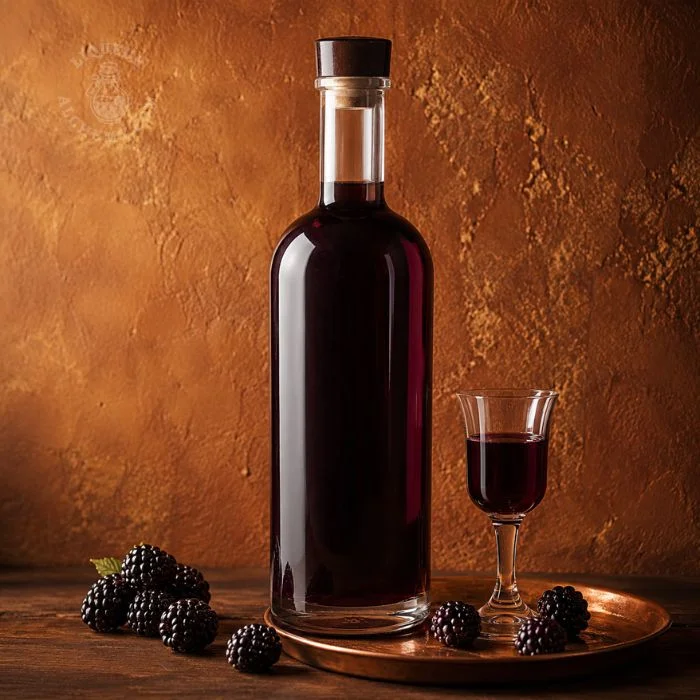
Muscaberry

Muscaberry – Dark Blackberry, Muscovado & Cacao Vodka Liqueur

Muscaberry is a rich blackberry vodka liqueur combining wild forest fruit with muscovado sugar, cacao nibs, coffee and vanilla. Its character moves from ripe, gently tart blackberry into molasses and caramel sweetness, followed by dark chocolate, restrained roasted coffee, warm spice and orange, with honey providing a smooth, rounded finish.

Main notes

  • Vodka
  • Blackberries

Ingredients

  • Vodka — 1 L
  • Blackberries — 1 kg
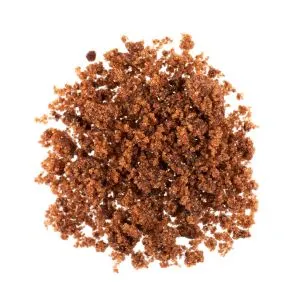
  • Muscovado Sugar — 100 g
  • Cane Sugar — 50 g
  • Honey — 30 g
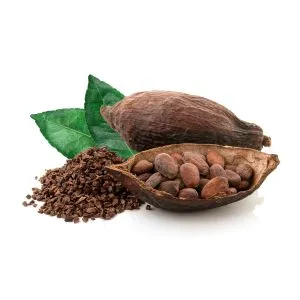
  • Cacao Nibs — 8 g
  • Coffee Beans — 5 beans
  • Vanilla — ½ pod
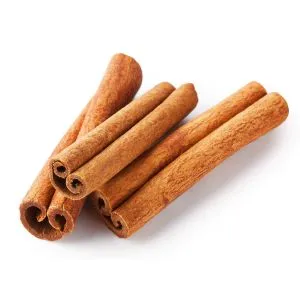
  • Cinnamon — 2 cm stick
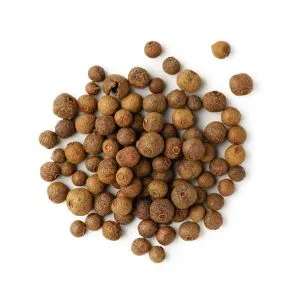
  • Allspice — 2 berries
  • Black Peppercorns — 3
  • Dried Orange Peel — 2 g
  • Lemon Juice — 20 ml

Preparation

  1. Carefully sort the freshly collected blackberries, removing leaves, stems and damaged fruit. Rinse gently if necessary and allow them to drain and dry thoroughly.
  2. Place the blackberries in a large sterilised glass jar and lightly crush roughly one-third of them to release their juice while leaving the remaining berries whole.
  3. Add the cacao nibs, coffee beans, split vanilla pod, cinnamon, lightly crushed allspice, black peppercorns and dried orange peel.
  4. Pour in the vodka, ensuring the berries and botanicals are well covered. Seal the jar tightly and gently turn it several times.
  5. Store in a cool, dark place for approximately 4 weeks. Gently rotate the jar every few days and begin tasting after two weeks to monitor the coffee, cacao and spice intensity.
  6. Strain through a fine sieve, pressing the berries only lightly. Filter again through fine muslin or a suitable filter until the liquid is clear of fruit particles and cacao sediment.
  7. Combine the muscovado sugar, cane sugar and honey with a small portion of the strained infusion, stirring until completely dissolved. Return this sweetened mixture to the main batch and mix thoroughly.
  8. Add the lemon juice, stir gently and taste. Allow the liqueur to rest for several days, then adjust only if necessary to maintain the balance between blackberry, sweetness and roasted notes.
  9. Filter once more if needed, bottle in sterilised bottles and mature for at least 4 weeks before serving. A longer rest will further integrate the muscovado, cacao, coffee and fruit.
Download

The Story

Muscaberry begins with blackberries gathered from the forest beside my home, where their deep sweetness and gentle tartness give the liqueur its wild foundation. Muscovado sugar transforms that fruit into something darker and richer, bringing notes of molasses, caramel and warm brown sugar. Cacao nibs and just five coffee beans add restrained roasted depth, while vanilla, cinnamon and allspice soften the edges. Black pepper provides a quiet lift and dried orange peel adds aromatic brightness. Honey rounds the texture before a final touch of lemon juice restores freshness. The result is a dark, velvety blackberry liqueur made for slow sipping.

Who is "Muscaberry" Liqueur for?

Muscaberry is for slow sippers and curious palates drawn to dark, layered flavours. Wild blackberry, muscovado and cacao make it particularly suited to relaxed evenings, after-dinner pours and anyone who enjoys rich fruit balanced by restrained roasted, spiced and bittersweet notes.
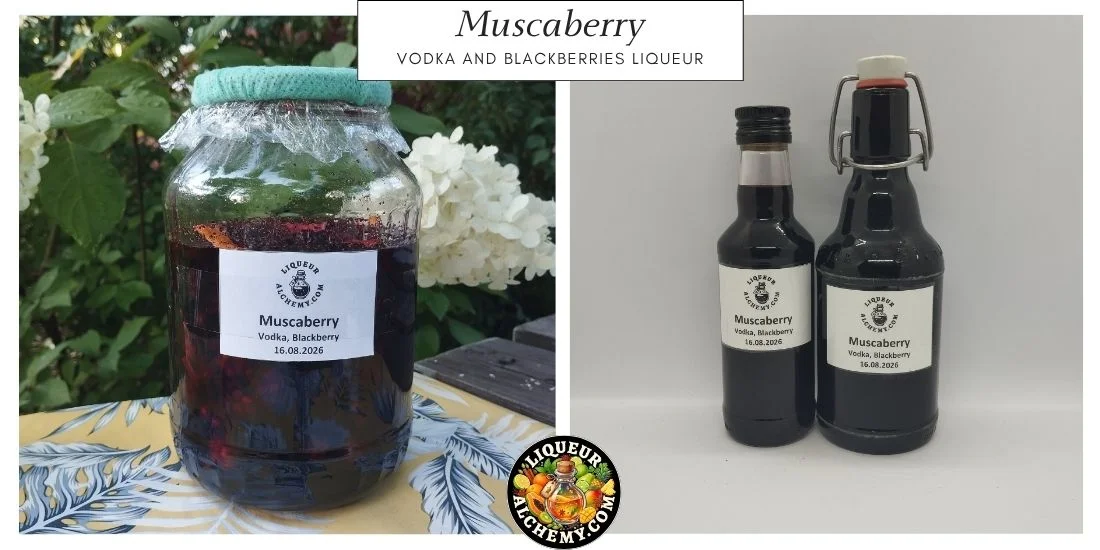
"Muscaberry" Liqueur Serving Suggestions

Serve Muscaberry slightly chilled or at cool room temperature in a small liqueur or tasting glass. It is particularly inviting after dinner, when its blackberry, dark cacao, molasses and subtle coffee notes can unfold slowly. A quiet evening and an unhurried pour suit its rich character best.

Why the Name "Muscaberry"?

Muscaberry brings together the two ingredients that define the liqueur’s personality: dark muscovado sugar and wild blackberry. “Musca” hints at the deep molasses richness of muscovado, while “berry” keeps the forest fruit firmly at its heart. The name feels dark, slightly mysterious and indulgent, reflecting a liqueur where blackberry gradually gives way to cacao, caramel and quietly roasted notes.

Testing Notes

The coffee was deliberately limited to five beans so it supports the cacao without turning the infusion into a coffee liqueur. Muscovado produced considerably more depth than white sugar, but required balancing with cane sugar to avoid dominating the fruit. Orange peel and lemon juice helped keep the finished liqueur from becoming overly heavy.

Muscaberry Liqueur FAQ


Yes, but the character will change noticeably. Muscovado contributes molasses, caramel and a slightly rum-like depth that supports blackberry, cacao and coffee. Dark brown sugar is the closest substitute, while light brown sugar gives a cleaner, softer result. White sugar will sweeten effectively but removes much of the dark, rounded flavour that defines this style.

If substituting, keep the total sugar weight similar at first rather than increasing sweetness immediately. For 100 g muscovado, use about 100 g dark brown sugar, or combine 70 g light brown sugar with 30 g cane sugar. Honey should remain restrained because too much can blur the berry and roasted notes.

Taste only after the sweetened liqueur has rested for several days. Blackberry acidity, cacao bitterness and coffee roast can make a fresh batch seem less sweet than it will after integration, so adjust gradually rather than correcting it all at once.

Blackberries can usually remain in the vodka for about three to four weeks, but cacao nibs and coffee beans need closer attention because their bitterness and roast can become dominant. Begin tasting after roughly two weeks, especially for the coffee, and judge the infusion by balance rather than by a fixed calendar date.

If the coffee becomes clearly identifiable instead of providing a background roasted note, remove the beans early with clean tongs or strain the infusion and return only the fruit and gentler botanicals. Cacao nibs can often stay longer, but they should still taste like dark chocolate rather than dry cocoa husk.

The berries are ready when the vodka has developed deep colour, strong blackberry aroma and a full fruit flavour. Once the roasted notes, spice and fruit feel integrated, strain promptly. Extending maceration beyond the useful extraction point can add unnecessary bitterness, seed astringency and muddiness.

The most common causes are over-extracted coffee, excessive cacao contact, crushed berry seeds or aggressive pressing during straining. Coffee beans can quickly shift from subtle roast to bitterness, while cacao nibs become dry and woody if left too long. Crushing all the blackberries can also release more seed tannin than the recipe needs.

Strain the batch as soon as the bitterness is noticeable and avoid squeezing the fruit hard. A fine second filtration can improve both texture and appearance, especially if cacao particles or berry pulp are suspended in the liqueur. Do not try to hide severe bitterness with a large addition of sugar.

For mild bitterness, allow the liqueur to rest for one to two weeks before adjusting. Then add a small amount of cane sugar syrup or honey if needed. A few millilitres of lemon juice can also brighten a heavy finish, but acidity should sharpen the fruit rather than make the drink sour.

Keep blackberry as the first flavour and treat muscovado, honey and cacao as supporting layers. Muscovado brings dark caramel and molasses, honey softens the texture, and cacao adds bitterness and depth. If all three become too strong, the liqueur can taste heavy before the fruit has a chance to show.

Add the planned sweeteners after straining, mix thoroughly and let the batch rest for several days before judging it. If it tastes too dry, increase cane sugar in small steps because it raises sweetness without adding more molasses. If it tastes too rich or flat, a small additional amount of lemon juice can restore freshness.

Avoid correcting several elements at once. Make one small adjustment, mix, rest and taste again. The best balance should open with ripe blackberry, move into caramel and dark cacao, then finish with gentle coffee, spice and citrus rather than ending as simply sweet or bitter.

After straining, sweetening and adding the lemon juice, allow the liqueur to rest for several days before the final filtration. This short settling period lets fine fruit particles and cacao sediment drop out and gives the muscovado, honey and roasted flavours time to begin integrating before bottling.

Once the flavour is balanced, filter again if necessary and transfer the liqueur into clean, sterilised bottles with tight closures. Store them in a cool, dark place away from sunlight and large temperature changes. A cupboard or cellar-like environment is preferable to a bright kitchen shelf.

Give the bottled liqueur at least three to four weeks of maturation before judging the finished result. The blackberry becomes rounder, the cacao and coffee soften, and the molasses character blends more naturally into the fruit. If sediment appears later, decant carefully or refilter without disturbing the entire bottle.

RALETED RECIPES OF LIQUEUR ALCHEMY


Explore more creations from Liqueur Alchemy that share similar flavours, techniques, or ingredients. These related recipes offer fresh ideas and inspired combinations to help you craft your next bold, homemade spirit.