How does rhubarb extract in alcohol compared to other tart fruits like cranberry or sour cherry?
Infusion and Maceration Methods for Homemade Liqueurs
Direct Answer
Rhubarb extracts with strong acidity and a fresh green-fruity edge, but less dense fruit aroma than cranberry or sour cherry. It gives lift and brightness, though it needs careful balance to avoid becoming sharp or overly lean.
Expanded Explanation
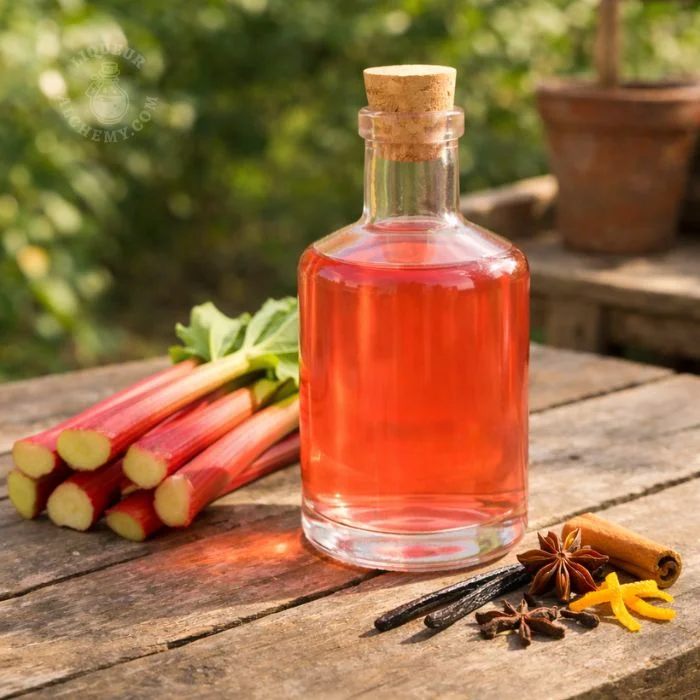
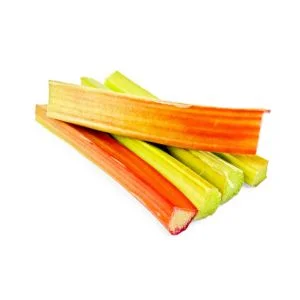
Rhubarb extracts into alcohol with a profile that is sharp, fresh, and distinctly vegetal-fruity, which sets it apart from tart fruits such as cranberry or sour cherry. Cranberry tends to give brisk acidity with a dry, slightly tannic berry character, while sour cherry brings deeper fruit, richer color, and a fuller aromatic impression. Rhubarb sits somewhere different: it offers bright acidity and freshness, but its aroma is less dense and less obviously fruity than either cranberry or sour cherry. It can therefore feel more linear, more lifted, and slightly more botanical.
In maceration, rhubarb often gives up acidity before it gives up complexity. That means the liquid may taste vividly tart quite early, even when the aroma still feels restrained. Sour cherry usually builds a rounder and more generous fruit expression, and cranberry often contributes both acidity and some structured bitterness from skins. Rhubarb is more stem-like and lean by comparison, so the final liqueur often depends more on sugar balance, alcohol strength, and companion ingredients such as orange zest, vanilla, or ginger to feel complete.
This extraction behavior makes rhubarb excellent when you want lift, freshness, and a clean tart line rather than jammy fruit richness. It is especially effective in modern, bright liqueurs where clarity and tension matter more than heavy sweetness. If overused or infused too long, though, rhubarb can become more sour and fibrous than aromatic. That is why it often benefits from shorter infusion times than cherry and from more careful tasting than cranberry, especially if you want a fresh rhubarb signature rather than a sharp generic tartness.