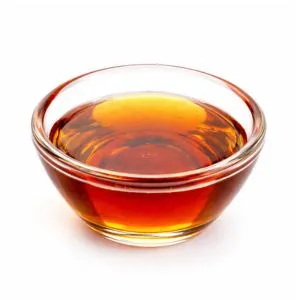
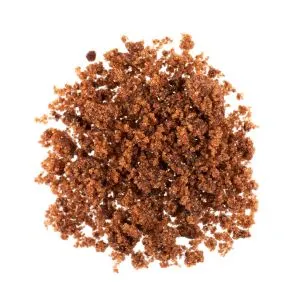
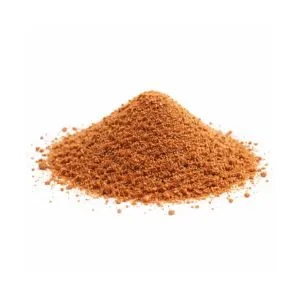
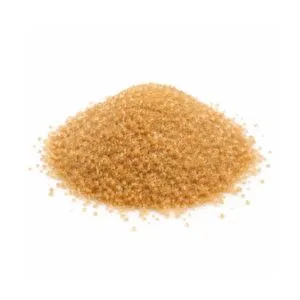
Brown Sugar

Brown Sugar for Liqueurs: Molasses Depth, Toffee Notes, and Body

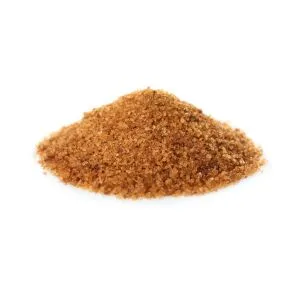
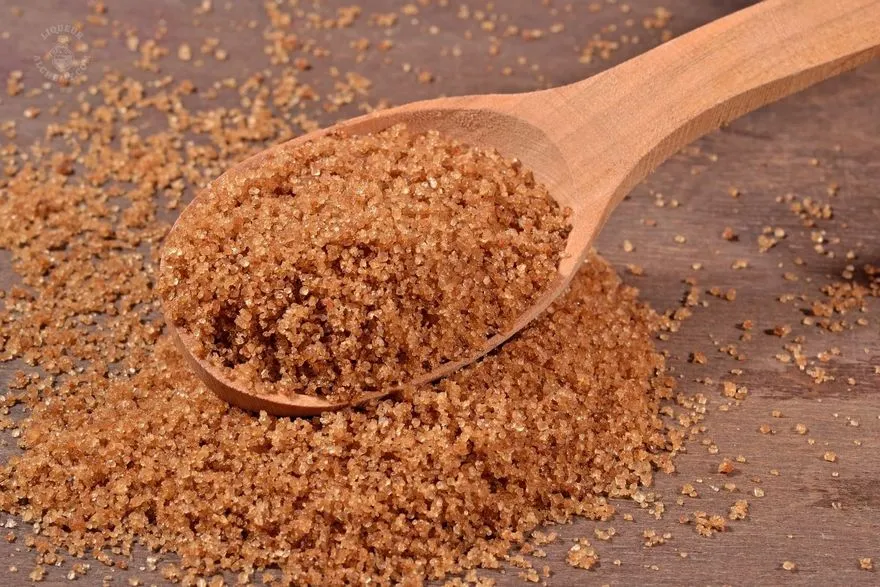
Brown sugar contributes molasses-driven toffee and caramel notes, ideal for spiced, coffee, and cacao liqueurs. It darkens color and body but can mask delicate florals. Use as syrup, sweeten gradually, and allow extra resting time so molasses integrates smoothly. Fine-filter if haze appears.

Brown Sugar

Home / Ingredients / Sugars & Sweeteners / Brown Sugar

Brown Sugar Flavor Profile

molasses, toffee, caramel, dark sweet
Brown Sugar Impact on Liqueurs

Adds dessert-like depth and color; can mute light aromatics.

How to Use Brown Sugar?

Use as syrup; start low and rest longer. Filter after settling if needed.

Brown Sugar Pairing Suggestions

Rum, Star Anise, Cinnamon, Clove, Vanilla, Coffee, Cacao, Orange
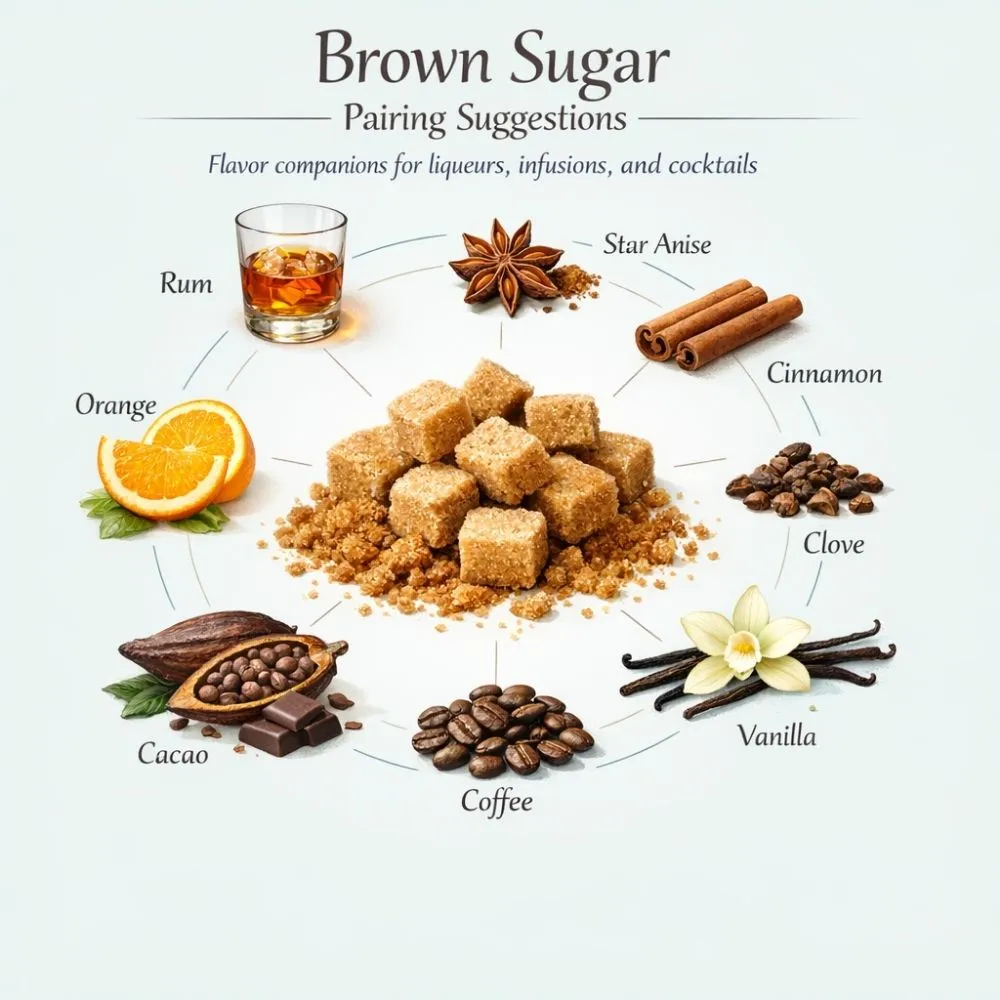
Brown Sugar pairing suggestions for liqueur making

Brown Sugar FAQ


Brown sugar shines when you want molasses depth: spiced liqueurs, dark rum-style profiles, coffee/cacao, roasted fruits, and autumn flavors. It adds a “baked” note that white sugar can’t.

For bright citrus, florals, and light berries, brown sugar can overpower and make the finish feel heavy. If you’re unsure, do a split test: sweeten 200 ml with white sugar and 200 ml with brown sugar and compare after 48 hours.

Common mistake: using dark brown sugar as a default. Start with light brown sugar or blend (e.g., 70% white + 30% brown) to avoid turning everything into a molasses bomb.

Yes, but muscovado is stronger and more aromatic than standard brown sugar. Think of it as “brown sugar turned up”: more molasses, more funk, more earthy depth.

Start by replacing only 30–50% of the brown sugar amount with muscovado, then adjust after 2–3 days. It pairs brilliantly with dark spirits, vanilla, coffee, cacao, banana, and warm spices.

Common mistake: swapping 1:1 in a light fruit recipe. Muscovado can dominate peaches, berries, and florals. Use it where you want the sugar itself to be part of the flavor.

Using brown sugar in liqueur extraction offers several benefits, primarily due to its unique composition. The molasses in brown sugar not only adds sweetness but also introduces complex flavors that can enhance the overall profile of the liqueur. This complexity can be particularly beneficial in crafting unique and memorable beverages.

Another advantage is the ability of brown sugar to dissolve at different rates compared to white sugar. This property allows for a more gradual infusion of flavors, which can lead to a smoother and more harmonious blend. It encourages a more careful extraction process, allowing the flavors to develop over time.

Moreover, brown sugar can contribute a subtle caramel undertone that pairs well with various herbs and spices. This makes it an excellent choice for liqueurs that aim to highlight rich, warm flavors. However, moderation is key to ensure it complements rather than overwhelms the other ingredients.

Yes, honey can be used as a substitute for brown sugar in liqueur making, but it will alter the flavor profile slightly. Honey is sweeter than brown sugar, so you should use less—about ¾ cup of honey for every cup of brown sugar.

When using honey, consider the additional liquid it adds to your recipe. You may need to reduce other liquid ingredients to maintain the desired consistency and balance in your liqueur.

Also, keep in mind that honey has its own distinct flavor, which can enhance certain liqueurs but may not be suitable for all. Experiment with small batches to find the right balance for your creations.

To avoid mistakes, start by measuring brown sugar accurately with a scale. This ensures that you achieve the desired sweetness without overpowering the other flavors in your liqueur.

Be mindful of the type of brown sugar you choose. Light brown sugar has a milder flavor, while dark brown sugar is richer and more robust. Understanding these differences will help you select the right sugar for your specific liqueur recipe.

Finally, always dissolve brown sugar in a small amount of warm liquid before adding it to your mixture. This helps achieve a smooth texture and ensures even distribution of sweetness throughout your liqueur.
Brown Sugar
Brown Sugar in Liqueur Crafting

More Sugars & Sweeteners


RELATED RECIPES OF LIQUEUR ALCHEMY


Explore more creations from Liqueur Alchemy that share similar flavours, techniques, or ingredients. These related recipes offer fresh ideas and inspired combinations to help you craft your next bold, homemade spirit.

LIQUEUR ALCHEMY TOOLS & RESOURCES


Design labels in minutes—beautiful, practical, and ready to print. Choose a tool below to generate bottle or ingredient labels that match your Liqueur Alchemy workflow.
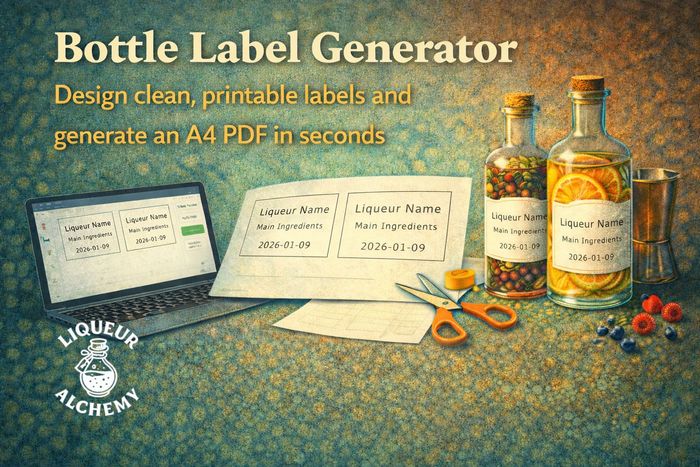
Bottle Label Generator preview

Bottle Label Generator

Create clean bottle labels with your liqueur name, batch details, date — ready for printing and gifting.
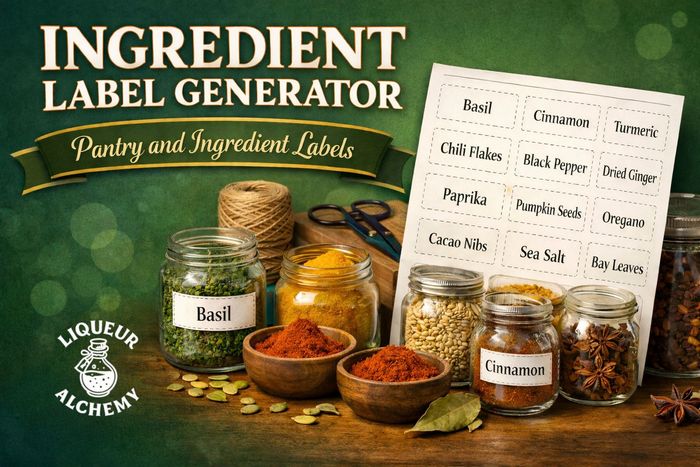
Ingredient Label Generator preview

Ingredient Label Generator

Label jars, containers, and storage bags to maintain clear organization from preparation through infusion and serving.
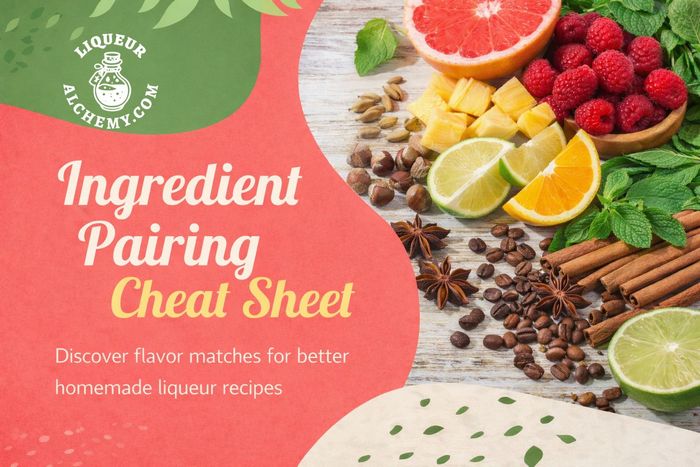
Ingredient pairing cheat sheet for creating balanced homemade liqueurs

Ingredient Pairing Cheat Sheet

Discover flavor combinations that create balanced, complex, and unique homemade liqueurs.