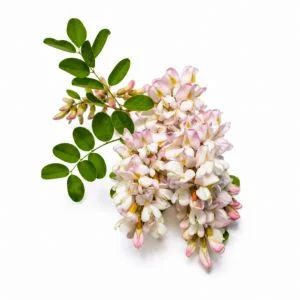
Hibiscus (Dried)

Dried Hibiscus in Liqueur Making: Tart, Floral and Vividly Crimson

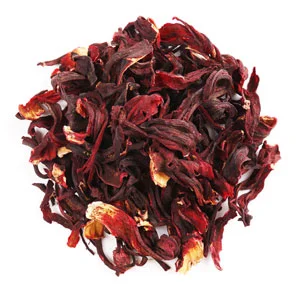
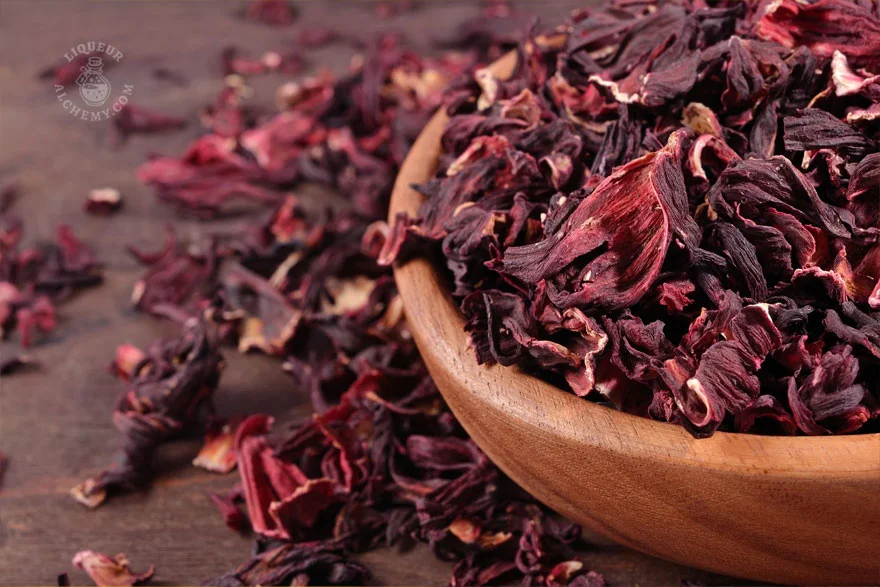
Dried hibiscus is a vibrant botanical prized for its intense crimson color, refreshing acidity, and distinctive tart, berry-like flavor. In liqueurs, it quickly produces deep ruby tones while adding notes reminiscent of cranberry, redcurrant, and sour cherry with a subtle floral edge. Its natural sharpness helps balance sugar and rich fruit ingredients. Hibiscus works especially well with vodka, citrus, warming spices, vanilla, and honey, creating bright and aromatic infusions.

Hibiscus (Dried)

Home / Ingredients / Flowers / Hibiscus (Dried)

Hibiscus (Dried) Flavor Profile

Tart, floral, fruity and refreshing with cranberry-like acidity, subtle red berry notes and a lightly tannic finish.
Hibiscus (Dried) Impact on Liqueurs

Creates an intense ruby-crimson color while contributing pronounced acidity, floral complexity and red berry character. It cuts through sweetness effectively and can give liqueurs a brighter, fresher finish.

How to Use Hibiscus (Dried)?

Use dried hibiscus sparingly because both its color and acidity extract quickly in alcohol. Start with approximately 20–40 g per litre of spirit and taste regularly during infusion. Short maceration usually preserves a fresher floral character, while prolonged extraction can increase tartness and tannins. Strain when the desired color and flavor intensity are reached. Balance pronounced acidity with sugar, honey or another suitable sweetener.

Hibiscus (Dried) Pairing Suggestions

Vodka, Honey, Orange, Lemon, Vanilla, Cardamom, Cinnamon, Ginger, Saffron
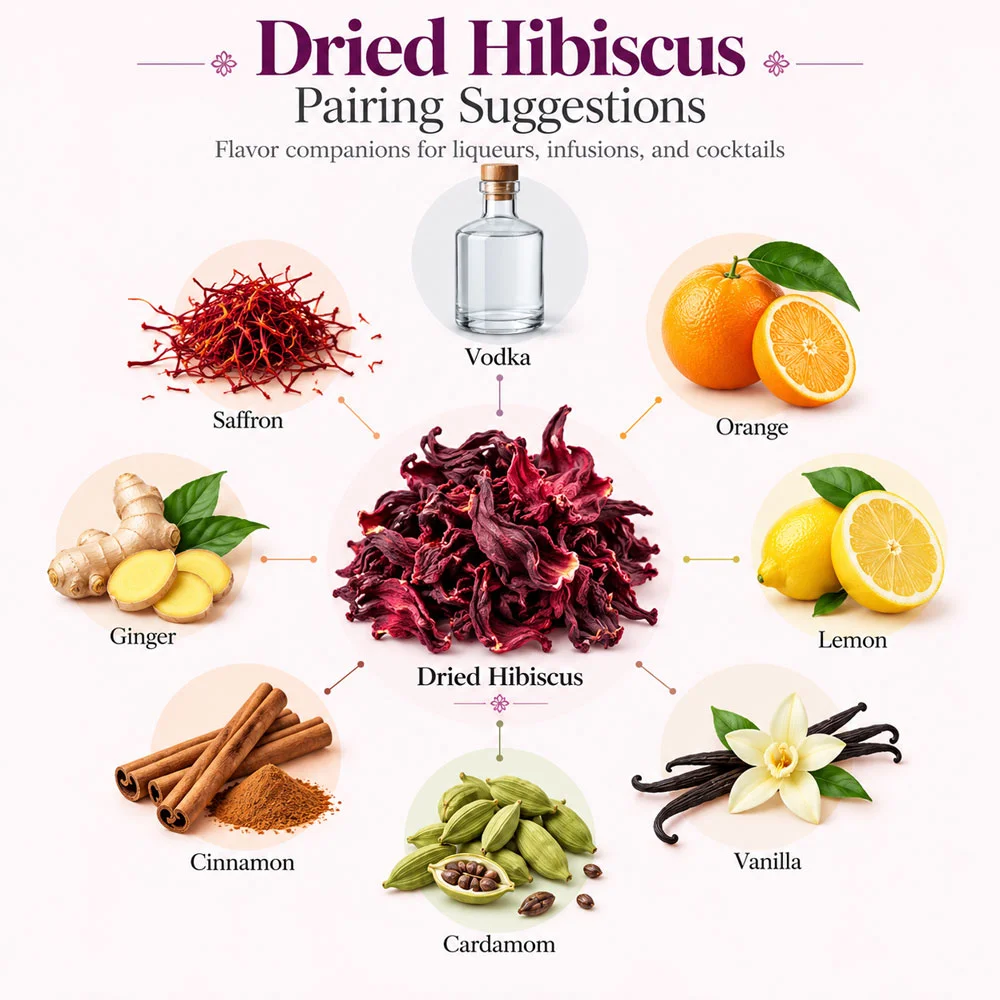
Hibiscus (Dried) pairing suggestions for liqueur making

Hibiscus (Dried) FAQ


Dried hibiscus releases color into alcohol very quickly compared with most fruits, roots, and woody spices. The dried calyces contain abundant anthocyanin pigments that readily move into a water-alcohol mixture. With vodka or another clear spirit, a visible pink-red color can appear within minutes or hours, while a strong ruby or crimson tone often develops during the first one to three days. Finely broken hibiscus generally extracts faster than large intact pieces because more surface area is exposed to the spirit.

Color extraction is usually faster than complete flavor extraction. A liqueur can become intensely red before it has developed the desired tart, floral, and berry-like character. For this reason, color alone should not determine when the hibiscus is removed. Taste the infusion regularly after the first few days. Around 20–40 g of dried hibiscus per litre can produce a strongly colored infusion, although the exact result depends on the hibiscus, dosage, alcohol strength, and other ingredients.

Once the desired flavor has developed, strain the hibiscus rather than leaving it indefinitely simply to deepen the color. Extended maceration may extract more tannic and earthy notes without providing a meaningful improvement in appearance. Citrus and other acidic ingredients can also make the red pigments appear brighter. After filtering, allow the liqueur to rest before making final sweetness or acidity adjustments, because its flavor can become noticeably smoother and more integrated.

The best substitute depends on which quality of dried hibiscus matters most in the recipe. Hibiscus provides several effects simultaneously: vivid red color, pronounced acidity, red-berry fruitiness, light floral character, and some tannic structure. Dried cranberries, sour cherries, redcurrants, or cranberries can reproduce part of the tart fruit character, although they generally extract more slowly and will not produce exactly the same floral profile. Their sugar content must also be considered when balancing the finished liqueur.

For color, deeply pigmented berries such as blackcurrants, elderberries, raspberries, or blackberries can create attractive red-purple tones. Rose hips are particularly useful when a tart botanical character is wanted, providing fruitiness, acidity, and gentle floral complexity. Rose petals can contribute floral aroma but lack the strong acidity of hibiscus, so they are better combined with a tart fruit or a carefully measured amount of citrus rather than treated as a direct one-for-one replacement.

Substitution should therefore be based on function rather than equal weight. Replacing 30 g of dried hibiscus with 30 g of another ingredient will rarely give equivalent results because extraction rates and flavor concentration differ substantially. Start conservatively, taste during maceration, and adjust sweetness and acidity after filtration. Combining a tart fruit with a floral ingredient often produces a closer approximation than relying on a single substitute, while also allowing the color, aroma, and acidity to be controlled separately.

A useful starting range for homemade liqueurs is approximately 20–40 g of dried hibiscus per litre of spirit. Around 20 g produces a lighter contribution that works well when hibiscus supports fruit, citrus, or spices. Approximately 30–40 g creates a much more prominent hibiscus character with intense crimson color, noticeable tartness, and a stronger berry-like profile. Because dried hibiscus varies considerably in strength, these quantities should be treated as starting points rather than rigid rules.

Higher quantities are not necessarily better. Hibiscus extracts rapidly, and an excessive dose can dominate delicate ingredients while creating aggressive acidity and a drying finish. When developing a new recipe, beginning around 25–30 g per litre gives more control. Taste after several days and remove the hibiscus once its contribution is strong enough. Additional hibiscus can always be infused separately and blended into the batch if greater intensity is required.

Dosage should also reflect the other ingredients. Sweet fruits, honey, vanilla, orange, cinnamon, ginger, and similar aromatics can comfortably support a stronger hibiscus presence, while delicate flowers or subtle fruits may require considerably less. Remember that added sugar will soften perceived acidity after maceration, so avoid judging an unsweetened infusion solely by how sharp it tastes. Strain first, conduct small sweetness trials, and then decide whether the hibiscus concentration needs adjustment before modifying the entire batch.

The most common cause of excessively sour or tannic hibiscus liqueur is using too much dried hibiscus and leaving it in the alcohol for too long. Hibiscus is concentrated and extracts much faster than most fresh fruit. A large handful added without weighing can produce dramatically different results between batches. Starting around 20–40 g per litre and tasting regularly provides much better control than relying on a long fixed maceration period.

Another mistake is adding substantial lemon juice, citric acid, or other tart ingredients before evaluating the hibiscus itself. Hibiscus already supplies pronounced acidity, so additional acid can push the finished drink beyond a pleasant sweet-sour balance. Excessive quantities of strongly tannic companions, such as tea or certain fruit skins and seeds, can further increase dryness. Crushing hibiscus into very fine particles may also accelerate extraction and make filtration more difficult.

If the batch is already too sharp, strain it immediately and perform small bench trials rather than adding large quantities of sugar directly to the jar. Test measured samples with syrup, honey, additional spirit, or a neutral compatible infusion until the balance improves, then scale the successful adjustment to the full batch. Resting can soften harshness but cannot completely reverse severe over-extraction. Prevention through measured dosage, controlled timing, and regular tasting remains the most reliable approach.

Dried hibiscus significantly increases the perception of acidity in a liqueur. Its naturally tart character resembles cranberry, redcurrant, or sour cherry and can make a sweet infusion taste fresher and less cloying. This makes hibiscus especially useful with honey, rich syrups, sweet fruits, or recipes that would otherwise feel heavy. It contributes structure as well as aroma, creating a cleaner contrast between sweetness and acidity.

Because of this sharpness, a hibiscus infusion may taste surprisingly austere before sugar is added. Avoid correcting it immediately with excessive sweetener. Prepare small measured samples and test different sugar or honey levels first. Sugar reduces the perception of acidity without actually removing the acids, while honey adds its own aroma and can make the liqueur seem rounder. Vanilla can similarly soften the sensory impression of tartness without requiring a very large increase in sugar.

Balance should be judged after the hibiscus has been removed and the liqueur has rested. If it remains too acidic despite appropriate sweetness, blending with additional spirit or a less acidic compatible infusion may produce a better result than continuing to add sugar. Conversely, a liqueur that is too sweet can sometimes be refreshed with a carefully measured hibiscus infusion. This ability to provide both acidity and aromatic complexity makes hibiscus a useful natural balancing ingredient.
Hibiscus (Dried)
Hibiscus (Dried) in Liqueur Crafting

More Flowers


LIQUEUR ALCHEMY TOOLS & RESOURCES


Design labels in minutes—beautiful, practical, and ready to print. Choose a tool below to generate bottle or ingredient labels that match your Liqueur Alchemy workflow.
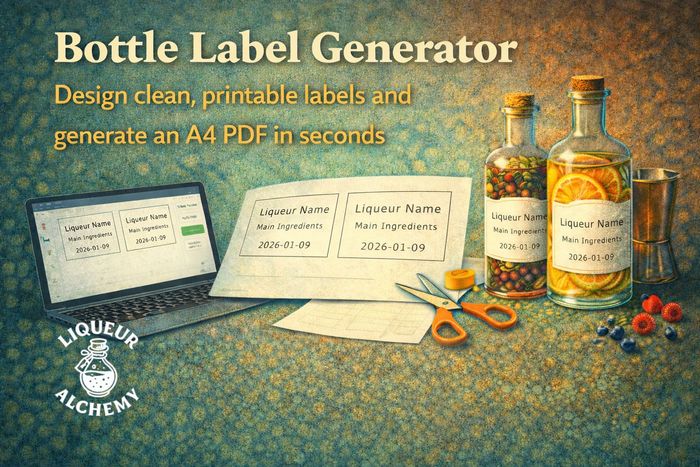
Bottle Label Generator preview

Bottle Label Generator

Create clean bottle labels with your liqueur name, batch details, date — ready for printing and gifting.
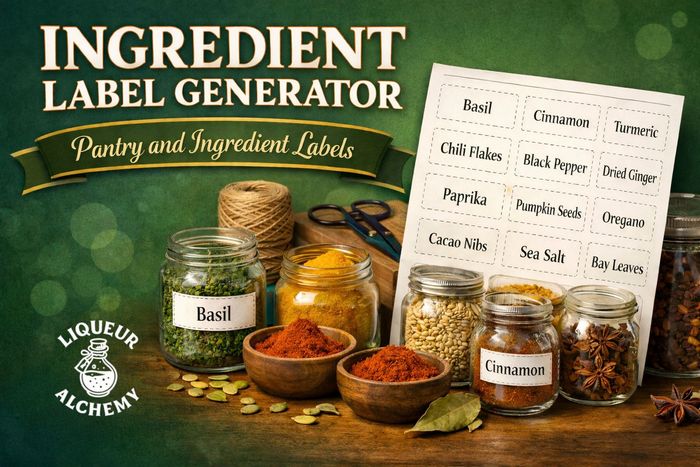
Ingredient Label Generator preview

Ingredient Label Generator

Label jars, containers, and storage bags to maintain clear organization from preparation through infusion and serving.
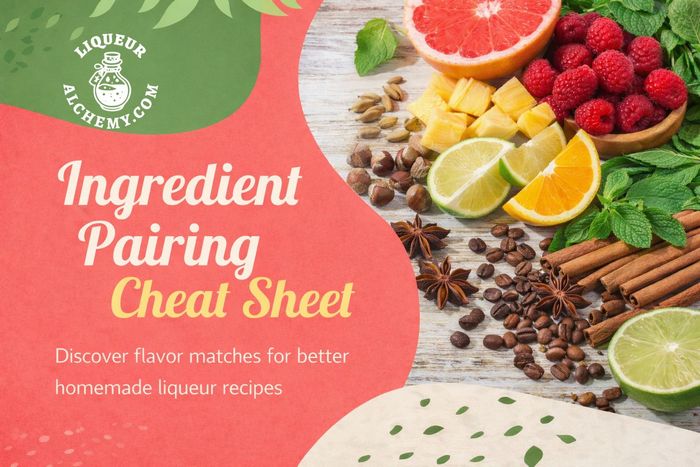
Ingredient pairing cheat sheet for creating balanced homemade liqueurs

Ingredient Pairing Cheat Sheet

Discover flavor combinations that create balanced, complex, and unique homemade liqueurs.