Orange (Dried peel)

Orange Dried Peel in Liqueurs: Marmalade Depth, Bitterness, and Aroma

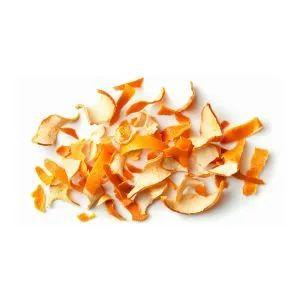
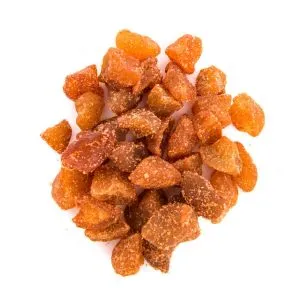
Orange dried peel concentrates citrus oils and bitter compounds, giving a richer, more marmalade-like profile than fresh zest. It extracts steadily and can build warming bitterness that supports spices, cacao, and dark spirits without the sharp “green” edge of fresh peel. Use small pieces and taste early; over-infusion can turn pithy and drying. Choose peel with minimal white pith, lightly toast for deeper notes if desired, then strain when aroma peaks. Dried peel also helps stabilize citrus character over time, making aged bottles smell fuller and more rounded.

Orange (Dried peel)

Home / Ingredients / Dried Fruits / Orange (Dried peel)

Orange (Dried peel) Flavor Profile

orange oil, marmalade, warm bitter, slightly floral, candied citrus
Orange (Dried peel) Impact on Liqueurs

Adds lasting citrus aroma and warm bitterness; deepens flavor and extends finish, especially in spiced styles.

How to Use Orange (Dried peel)?

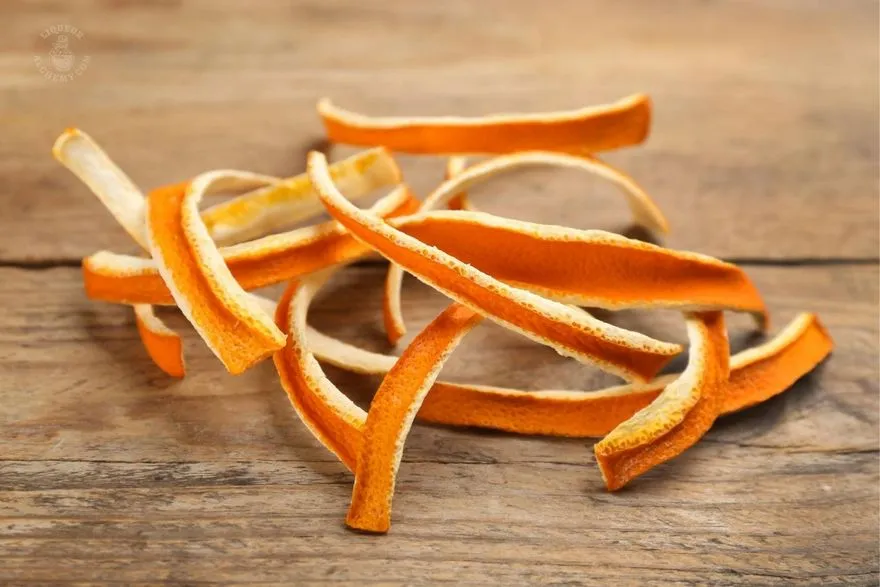
Use 5–15 g per 1 L spirit. Choose low-pith peel, cut into strips, and taste from day 3; typical infusion 5–14 days. Strain promptly if bitterness rises. Store airtight, dark, and dry.

Orange (Dried peel) Pairing Suggestions

Rum, Cane Sugar, Cinnamon, Clove, Vanilla, Cacao, Coffee, Nutmeg
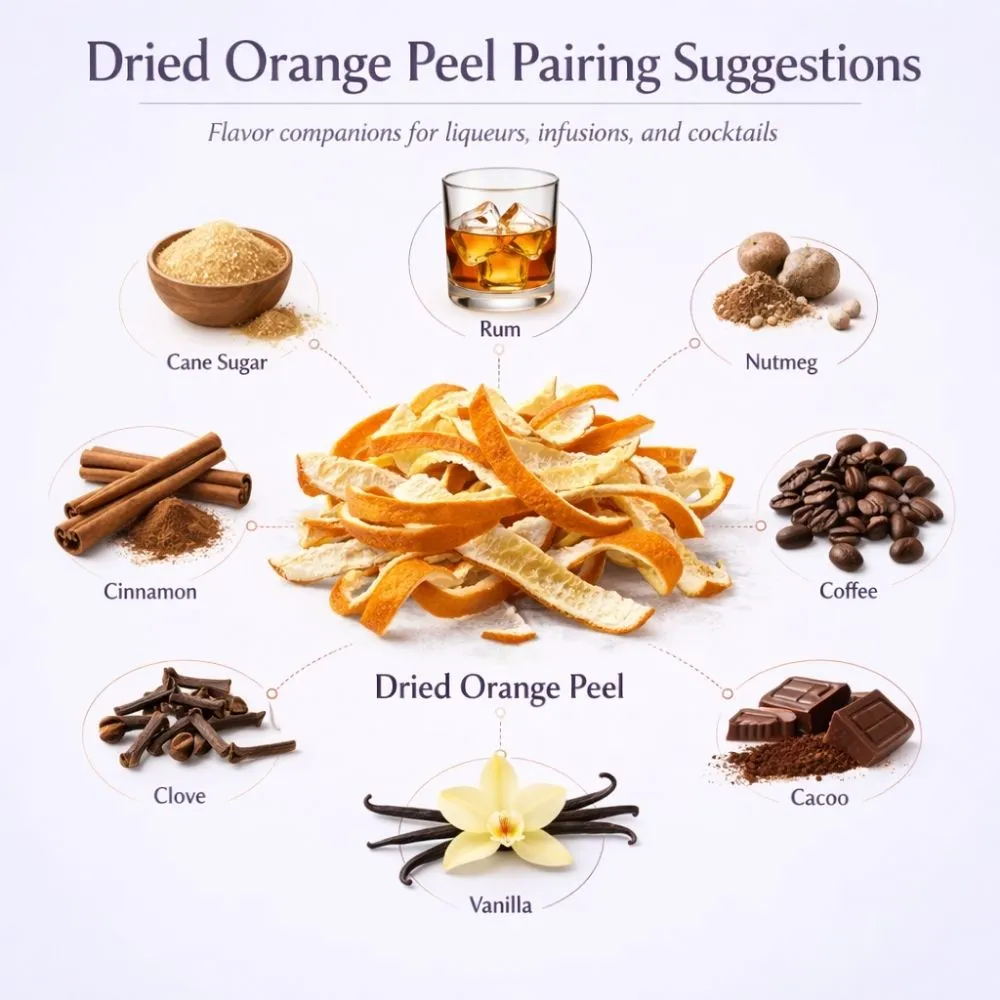
Orange (Dried peel) pairing suggestions for liqueur making

Orange (Dried peel) FAQ


Dried orange peel extracts faster than many people expect because dehydration concentrates oils and bitter compounds. You’ll often get plenty of aroma within a few days, especially in neutral spirits around 40% ABV. If you leave it for weeks, the infusion can drift from bright citrus into pithy, dry bitterness.

Dose and cut size matter. Thin strips or small pieces extract quickly, while larger curls extract more slowly and give you a wider tasting window. Start low (a small pinch or a few strips per liter), taste daily after day 2–3, and strain as soon as the citrus nose is strong and clean.

If you overshoot bitterness, don’t “wait it out.” Strain immediately, then rebalance with sweetness, dilution, or blending with an unspiced base. Resting helps integrate, but it won’t remove heavy pith bitterness once it’s extracted.

The biggest mistake is using peel that includes thick white pith. Pith brings harsh bitterness that can dominate a liqueur quickly, especially when the peel is chopped small. Choose peel that’s mostly orange-colored rind, and avoid powdering it.

Another common error is over-dosing. Because dried peel is concentrated, people add “the amount they’d use fresh” and end up with a dry, bitter finish. Start with less than you think, taste frequently, and strain early—especially in vodka where bitterness reads sharper.

Finally, poor storage kills aroma. Dried peel should be kept airtight, cool, and away from light. If it smells flat, dusty, or stale before you even infuse it, it will infuse flat too—fresh, aromatic peel makes a huge difference.

Several factors influence the extraction of flavors from dried orange peel, including the size of the peel pieces. Smaller pieces expose more surface area, leading to quicker and more efficient flavor release. It's important to find the right balance to avoid over-extraction, which can produce bitterness.

The choice of alcohol also plays a significant role in flavor extraction. Higher proof spirits tend to extract flavors more effectively than lower proof options. This is due to their ability to dissolve essential oils and compounds found in the dried peel.

Lastly, the duration of the extraction process is crucial. A longer infusion can intensify the flavor but may also bring out undesirable elements if left too long. Monitoring the extraction time is essential for achieving the perfect balance of flavor in your liqueur.

To avoid mistakes, start by using a balanced ratio of dried orange peel to other ingredients. This ensures that the citrus flavor complements rather than dominates your liqueur.

Additionally, always taste your mixture periodically. This allows you to adjust the infusion time and prevent over-extraction of bitter flavors that can occur with prolonged steeping.

Finally, store your dried orange peel properly in a cool, dark place to maintain its potency. Freshness is key to achieving the best flavor in your craft liqueurs.

Yes, you can replace dried orange peel with other citrus peels like grapefruit or lime. These alternatives will bring their distinct flavors, which can enhance your liqueur's complexity. Adjust the quantity based on the strength of the citrus flavor.

Dried lemon peel is another excellent option, as it shares a similar acidity and brightness. It can complement other ingredients in your liqueur, creating a refreshing taste. Use it in a 1:1 ratio for a balanced flavor.

When substituting, remember that each citrus peel has its unique characteristics. Experimenting with different peels can lead to exciting flavor profiles, so feel free to mix and match to find your ideal combination.
Orange (Dried peel)
Orange (Dried peel) in Liqueur Crafting

More Dried Fruits


LIQUEUR ALCHEMY TOOLS & RESOURCES


Design labels in minutes—beautiful, practical, and ready to print. Choose a tool below to generate bottle or ingredient labels that match your Liqueur Alchemy workflow.
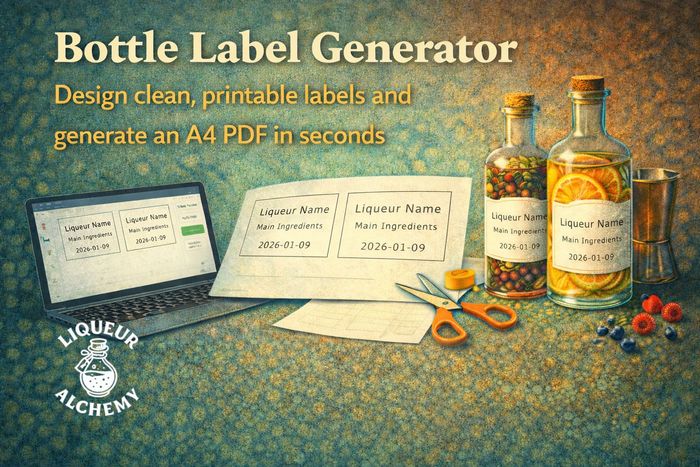
Bottle Label Generator preview

Bottle Label Generator

Create clean bottle labels with your liqueur name, batch details, date — ready for printing and gifting.
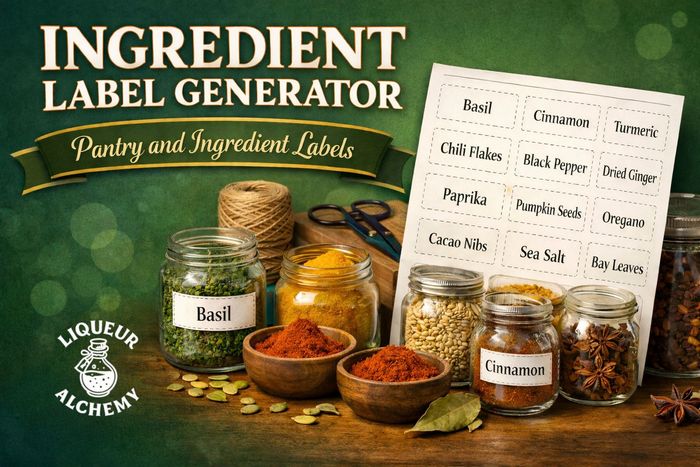
Ingredient Label Generator preview

Ingredient Label Generator

Label jars, containers, and storage bags to maintain clear organization from preparation through infusion and serving.
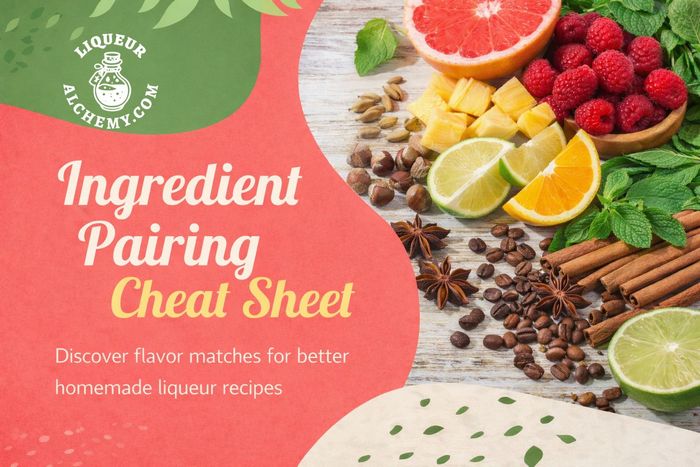
Ingredient pairing cheat sheet for creating balanced homemade liqueurs

Ingredient Pairing Cheat Sheet

Discover flavor combinations that create balanced, complex, and unique homemade liqueurs.