Why does rhubarb liqueur sometimes turn overly sour or thin in flavor?
Troubleshooting Common Homemade Liqueur Problems and Fixes
Direct Answer
Rhubarb liqueur becomes overly sour or thin when acidity dominates body and aroma. Too much rhubarb, over-infusion, poor sweetening, or weak ingredient support often lead to a sharp but empty-tasting result.
Expanded Explanation
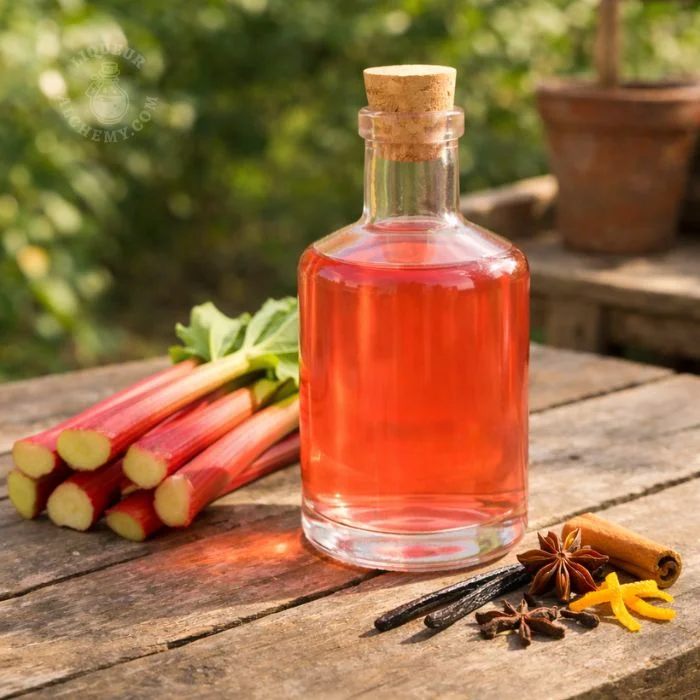
Rhubarb liqueur often turns overly sour or thin when acidity is extracted more successfully than body, aroma, and sweetness are built around it. Rhubarb naturally has a sharp profile, so if the maker uses too much fruit, infuses too long, or relies on very neutral spirit without any supporting ingredients, the result can feel narrow rather than expressive. The tartness stands out, but the mid-palate seems empty. This is a common issue because rhubarb is vivid in acidity but comparatively modest in deep fruit weight.
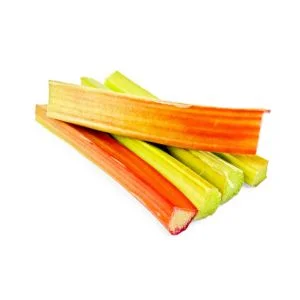
Another cause is dilution strategy. If sugar syrup is added too heavily or too early, the flavor can become watered down without truly becoming rounder. The drink may lose intensity, yet still remain sharp because the sour structure is still there. Under-sweetening can produce the opposite problem: the liqueur stays angular and dry, with no cushion to carry the rhubarb. Poor ingredient quality also matters. Old stalks, woody pieces, and pale off-season rhubarb often contribute acid and fiber more readily than bright, attractive aroma.
To avoid a thin result, think in terms of architecture rather than just extraction. Rhubarb usually benefits from a balancing element such as orange zest, ginger, vanilla, honey, or a small berry component. Sweetening should be gradual and guided by taste, not by formula alone. It also helps to let the strained and sweetened liqueur rest for a short period, because integration can soften the edges and improve perceived body. A good rhubarb liqueur should taste bright and refreshing, but it still needs enough depth to feel complete.