How does substituting apples or other pear varieties change the balance of a pear-based liqueur?
Ingredients and Sweeteners That Shape Liqueur Flavor
Direct Answer
Other pears keep the liqueur closer to the original, while apples create a brighter, firmer, and less silky pear-based profile.
Expanded Explanation
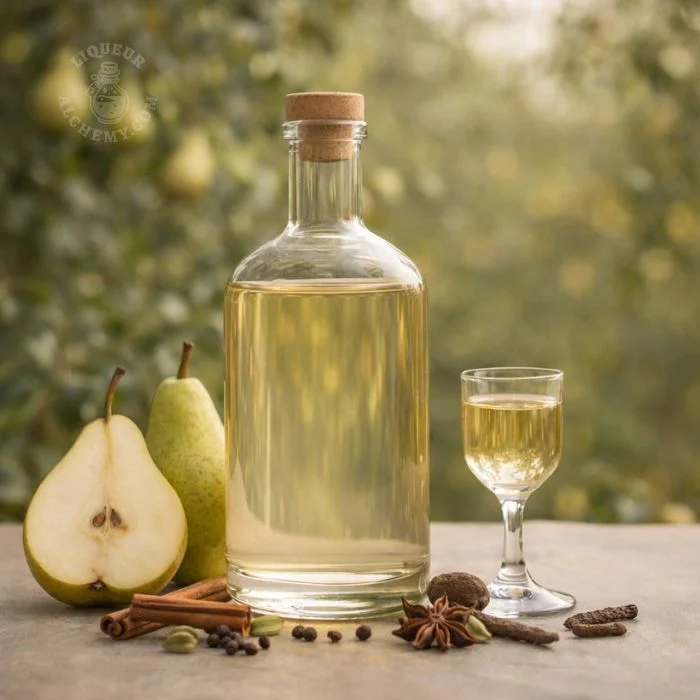
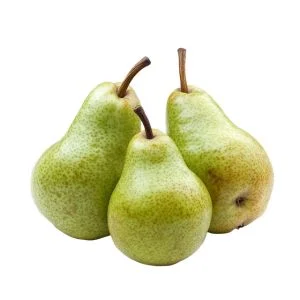
Substituting apples or other pear varieties changes the balance of a pear-based liqueur by shifting sweetness, aroma, freshness, and structure. Other pears usually keep the recipe closer to the original style, but even among pears there are important differences. Some varieties are more floral, some are firmer and fresher, and some bring more acidity. Conference pear is known for its smooth, mellow, rounded character, so replacing it with a sharper pear can make the liqueur feel brighter and more defined, while replacing it with a very fragrant pear can make the aroma more expressive.
Apples change the profile more clearly. Even sweet apples usually add a crisper fruit tone and a slightly firmer finish than Conference pear. They can make the liqueur feel fresher and more orchard-like, but also less silky. This can be a good thing if the original recipe risks becoming too soft or too quiet. Apples also pair differently with spice. A cinnamon or vanilla-driven recipe may still work beautifully, but the result becomes more appley than pear-like in identity, especially if the spirit base is neutral and the fruit is the main focus.
In recipe design terms, substituting another pear adjusts the nuance, while substituting apple changes the style. Other pears are better when you want to stay close to a true pear liqueur. Apples are useful when you want more brightness, more structure, or easier ingredient access. Either can work, but the final balance will move according to the substitute’s acidity, perfume, and texture.