Should rhubarb be fresh, frozen, or cooked before infusion for best results?
Ingredients and Sweeteners That Shape Liqueur Flavor
Direct Answer
Fresh rhubarb is usually best for a bright, lively liqueur. Frozen rhubarb can work as a backup, while cooked rhubarb produces a softer, more compote-like profile better suited to richer styles.
Expanded Explanation
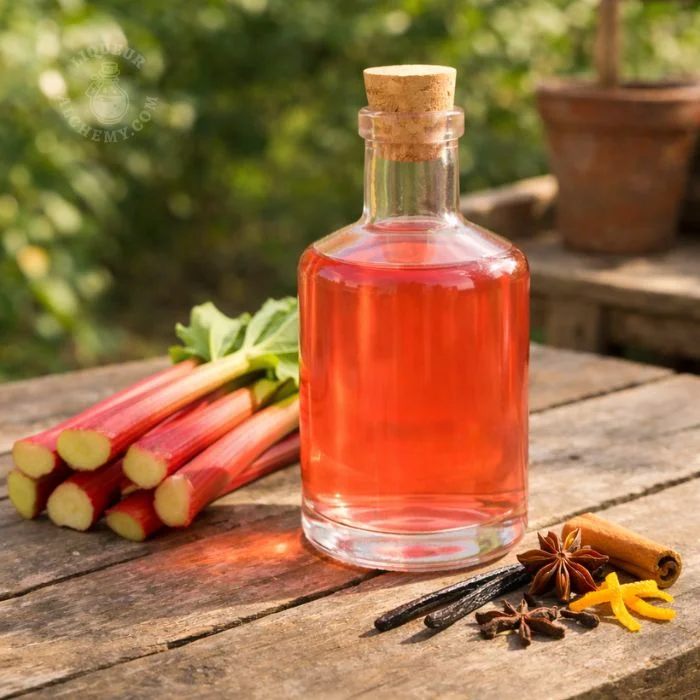
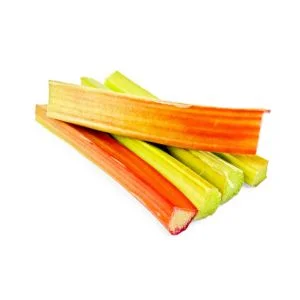
Fresh rhubarb is usually the best choice for infusion when the goal is a bright, clean, and lively liqueur. Fresh stalks preserve the crisp acidity, attractive color, and delicate top notes that make rhubarb distinctive. If the stalks are firm and recently harvested, they tend to give the clearest and most balanced result. Frozen rhubarb can also work well, especially if it was frozen while fresh, because freezing breaks cell walls and can help extraction begin more quickly. However, it may also release more liquid and soften the texture, which can increase cloudiness.
Cooked rhubarb is a different case. Cooking deepens, softens, and sweetens the flavor impression, but it also pushes the profile away from fresh rhubarb and toward compote or jam. That can be desirable in dessert-style liqueurs, yet it removes some of the ingredient’s most refreshing qualities. Heat can also dull the brighter aromatic notes and alter the color. For a classic rhubarb liqueur with a modern, tart, vivid edge, cooking is usually not the first choice unless the recipe is specifically aiming for a richer, softer, almost spoon-dessert tone.
For most homemade makers, fresh is the preferred default, frozen is the acceptable backup, and cooked is the stylistic variation. If using frozen rhubarb, thaw it only as needed and account for the extra liquid it may release. If using cooked rhubarb, reduce the cooking intensity and avoid turning it into a heavily sweetened puree before infusion. The preparation method should match the style you want in the bottle: crisp and fresh, or soft and dessert-like.