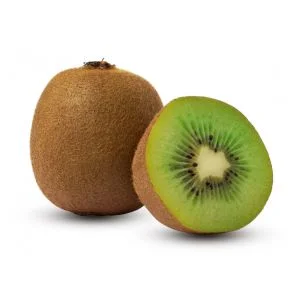
Does peeling or leaving the skin on green kiwi affect extraction and final flavor?
Infusion and Maceration Methods for Homemade Liqueurs
Direct Answer
Peeled green kiwi usually gives cleaner flavor and better control, while skin-on infusions can become rougher, more vegetal, and harder to refine.
Expanded Explanation
Yes, peeling or leaving the skin on green kiwi affects both extraction and the final flavor of the liqueur. Peeling is the safer and more common choice because it gives a cleaner fruit expression and reduces the chance of rough, earthy, or slightly bitter notes entering the infusion. The flesh alone provides the tangy tropical character most makers want, and it is easier to control the clarity and overall style of the finished drink. For a polished liqueur, peeled kiwi is usually the most reliable method.
Leaving the skin on can increase intensity slightly, but it also introduces more risk. Kiwi skin can contribute a faintly vegetal, drying, or coarse character that may distract from the bright fruit. If the kiwis are not perfectly clean, the skin can also add unwanted off-notes. In some rustic or experimental infusions, a little skin contact may be acceptable, especially when the recipe includes ginger, mint, or stronger supporting flavors. However, in delicate fruit liqueurs, the skin usually creates more problems than advantages. It can also make filtering more difficult if the fruit breaks down during infusion.
In practical terms, peeling is the best route when you want fresh, clear kiwi character and better control over the final balance. Leaving the skin on is possible, but only when the fruit is very well cleaned and the maker is comfortable with a more assertive, less refined result. For most homemade green kiwi liqueurs, peeled fruit gives the best combination of brightness, clarity, and elegance.