Argumia

Argumia Grapefruit Citrus Liqueur with Vanilla and Cacao

Argumia is a grapefruit-forward citrus liqueur combining dried citrus peels, fresh grapefruit, orange and lemon juices with vanilla, cacao nibs and pink peppercorns. Bright, aromatic and layered, it offers vibrant citrus flavours balanced by gentle sweetness, subtle chocolate notes and a smooth, lightly bittersweet finish.

Main notes

  • Vodka
  • Citrus Fruits

Ingredients

  • Vodka — 1 L
  • Dried Grapefruit Peel — 18 g
  • Dried Orange Peel — 10 g
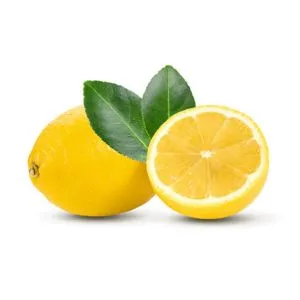
  • Dried Lemon Peel — 4 g
  • Grapefruit Juice — 80 ml
  • Orange Juice — 30 ml
  • Lemon Juice — 20 ml
  • White Sugar — 100 g
  • Honey — 20 g
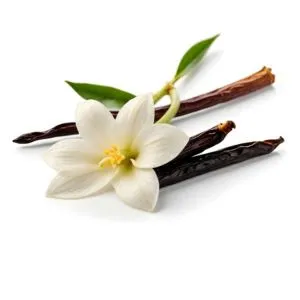
  • Vanilla — ¼ pod
  • Pink Peppercorns — 6 berries
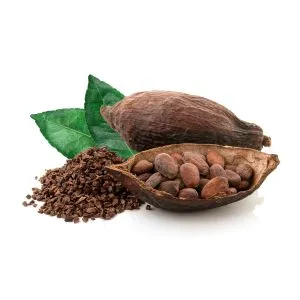
  • Cacao Nibs — 8 g

Preparation

  1. Place the dried grapefruit peel, dried orange peel and dried lemon peel into a sterilised glass jar.
  2. Split the vanilla pod and add it to the jar along with the cacao nibs and pink peppercorns.
  3. Pour the vodka over the ingredients, ensuring everything is fully submerged.
  4. Seal the jar and store it in a cool, dark place for 14 days, shaking gently every few days.
  5. Strain the infusion through a fine sieve to remove the solids.
  6. Filter again through cheesecloth or coffee filters until clear.
  7. Stir in the grapefruit juice, orange juice, lemon juice, white sugar and honey until fully dissolved.
  8. Bottle the liqueur and allow it to mature in a cool, dark place for at least 4 weeks.
  9. Taste after maturation and filter once more if additional clarity is desired.
Download

The Story

Argumia is a refined citrus liqueur built around the vibrant character of grapefruit, supported by layers of orange and lemon for brightness and balance. Dried citrus peels provide concentrated aromatic oils, while fresh juices add lively fruit depth and natural freshness. Vanilla softens the sharper edges, creating a silky texture, while cacao nibs contribute a subtle cocoa undertone that lingers beneath the citrus. Pink peppercorns introduce a gentle warmth and delicate spice. The result is an elegant, modern liqueur that captures the energy of fresh citrus while offering surprising complexity, depth and a smooth, bittersweet finish.

Who is "Argumia" Liqueur for?

Argumia is for curious drinkers who enjoy sophisticated citrus flavours with unexpected depth. Its balance of bright grapefruit, gentle spice and subtle cacao notes makes it ideal for slow sipping, thoughtful tasting sessions and those who appreciate elegant, contemporary liqueurs.

"Argumia" Liqueur Serving Suggestions

Serve Argumia lightly chilled in a small stemmed glass or over a large ice cube. Perfect for warm evenings, aperitif moments or relaxed gatherings, where its bright grapefruit character, delicate spice and soft cacao undertones can be fully appreciated.

Why the Name "Argumia"?

The name Argumia draws inspiration from the word “agrumi,” the Italian term for citrus fruits, while adding a softer, more lyrical ending to create a distinctive identity. The name reflects the recipe’s celebration of grapefruit, orange and lemon, capturing both its Mediterranean spirit and its elegant, modern character in a single memorable word.

Testing Notes

Early trials showed that grapefruit dominated the profile when used alone, so orange and lemon were added to improve balance and brightness. Cacao nibs provided depth without overwhelming the citrus, while pink peppercorns introduced subtle warmth. A four-week maturation period significantly improved integration, smoothness and overall complexity.

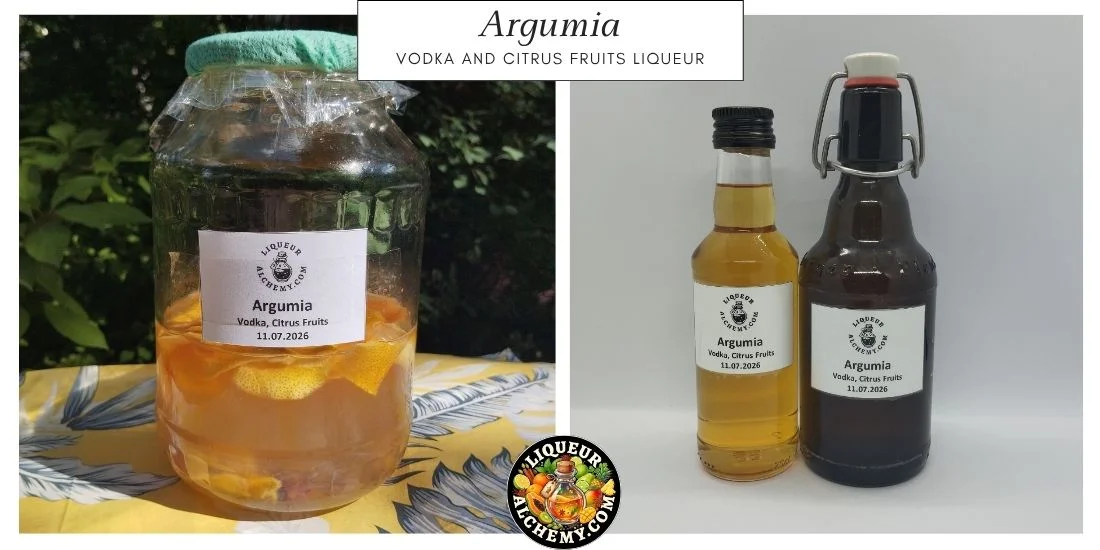
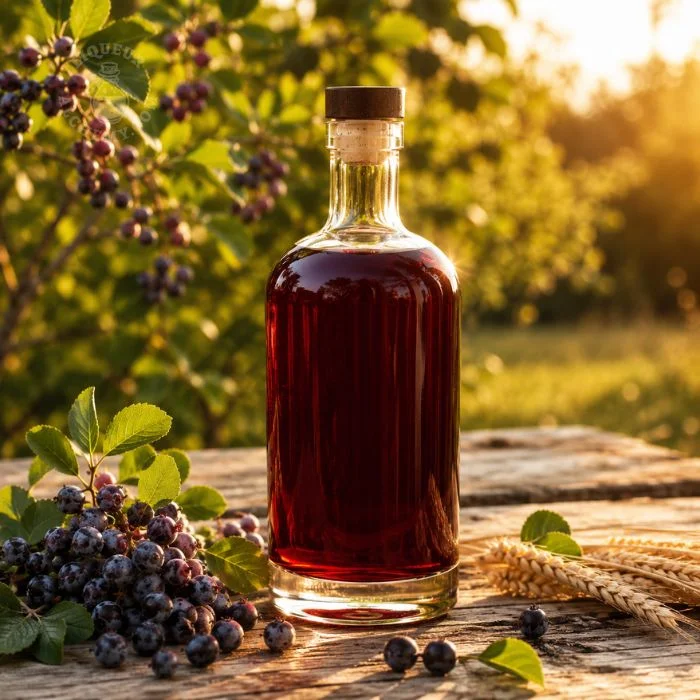
Argumia liqueur during maceration and finished bottled liqueur

Argumia Liqueur FAQ


Fresh peel can be used, but it will not behave exactly like dried peel. Fresh grapefruit, orange and lemon zest contains more water and brighter volatile oils, so it usually produces a fresher, sharper aroma and extracts more quickly. Use only the coloured outer zest and avoid the thick white pith, especially on grapefruit, because excess pith can create a harsh, lingering bitterness.

As a practical substitution, replace the dried peel with roughly 2.5 to 3 times its weight in fresh zest. For this recipe, that means approximately 45 to 50 g fresh grapefruit zest, 25 to 30 g fresh orange zest and 10 to 12 g fresh lemon zest. These are starting amounts rather than strict rules, because peel thickness, fruit variety and freshness can change extraction strength considerably.

When using fresh zest, begin tasting after five days and expect to strain between seven and ten days rather than waiting the full fourteen days. Keep the vanilla, cacao nibs and pink peppercorns in balance by checking them separately during tasting. If the citrus aroma becomes intense before the other flavours develop, remove the zest first and allow the remaining botanicals to continue infusing.

Fourteen days is a reliable starting point for this combination, but the ingredients do not necessarily reach their ideal extraction at the same moment. Dried citrus peels usually need enough time to release their oils and deeper bitter-orange character, while pink peppercorns can become dominant more quickly. Cacao nibs develop gradually, moving from light roasted notes toward a darker, drier cocoa finish.

Begin tasting the infusion after seven days. If the pink peppercorn warmth is already noticeable and well balanced, remove the peppercorns while leaving the citrus peels, vanilla and cacao nibs to continue. Taste again around days ten and twelve. The grapefruit peel should remain aromatic and pleasantly bittersweet, not medicinal, woody or mouth-drying.

Strain everything by day fourteen unless the infusion still tastes unusually weak. Extending the full mixture much beyond this point can increase grapefruit bitterness and cacao astringency without adding useful freshness. Ingredient quality and peel thickness matter, so tasting is more dependable than following the calendar alone. Record removal times so future batches can be adjusted consistently.

Excess bitterness usually comes from too much white pith, over-infused grapefruit peel or cacao nibs left in contact with the vodka for too long. Dried peel should be thin, aromatic and mostly free of the pale inner layer. Pink peppercorns can also create a dry, perfumed edge if crushed heavily or infused beyond the point where their warmth supports the citrus.

Cloudiness is most often caused by the fresh grapefruit, orange and lemon juices, which introduce pulp, pectin and fine suspended particles. Citrus oils extracted from the peels may also form a haze when the alcohol is diluted by juice and dissolved sweeteners. This is not automatically a safety problem, but it can affect appearance and may create sediment during maturation.

To correct the batch, chill it thoroughly, allow it to settle and filter it slowly through several layers of cheesecloth or a coffee filter. If bitterness is mild, add small measured amounts of sugar syrup or honey solution and retaste after twenty-four hours. Severe pith bitterness is difficult to remove completely, so prevention through careful peeling, regular tasting and timely straining is the best approach.

After filtration, allow the liqueur to rest for at least twenty-four hours before making major adjustments, because freshly added juice, sugar and honey can taste disconnected. Grapefruit bitterness often appears strongest immediately after blending. Orange juice softens it, lemon juice sharpens the finish, while vanilla and honey gradually round the overall profile during maturation.

If the liqueur is too bitter, dissolve 10 g of white sugar in a small portion of the liqueur or in minimal warm water, return it to the batch and retaste the next day. Repeat only if necessary. If it is too sweet or heavy, add grapefruit juice in 5 ml increments for bitterness and freshness, or lemon juice in 2 to 3 ml increments for a cleaner acidic lift.

Avoid making several adjustments at once, because it becomes difficult to identify which change improved or damaged the balance. Keep written notes for every addition. The intended result should be grapefruit-forward and lightly bittersweet, with orange supporting the middle, lemon brightening the finish and cacao remaining a subtle background note rather than tasting like chocolate syrup.

A minimum resting period of four weeks is recommended after the fresh juices, sugar and honey are added. During this time, the sharp edges of grapefruit and lemon soften, the orange becomes more integrated and the vanilla, cacao and pink peppercorn notes settle into the background. Six to eight weeks usually produces a smoother and more coherent result.

Because the recipe contains 130 ml of fresh citrus juice, cleanliness and storage are especially important. Use sterilised bottles, minimise pulp, keep the closures clean and store the liqueur in a cool, dark place. Refrigeration is the safest choice once the bottle is opened and is also preferable for long-term storage when fresh juice has been added.

Check the bottle periodically for pressure, unusual gas release, mould, unpleasant odours or unexpected fermentation. Natural sediment or light haze may occur and can be removed by chilling, settling and filtering again before serving. For the best flavour and freshness, consume the liqueur within about six months and always discard it if there are clear signs of spoilage.

RALETED RECIPES OF LIQUEUR ALCHEMY


Explore more creations from Liqueur Alchemy that share similar flavours, techniques, or ingredients. These related recipes offer fresh ideas and inspired combinations to help you craft your next bold, homemade spirit.