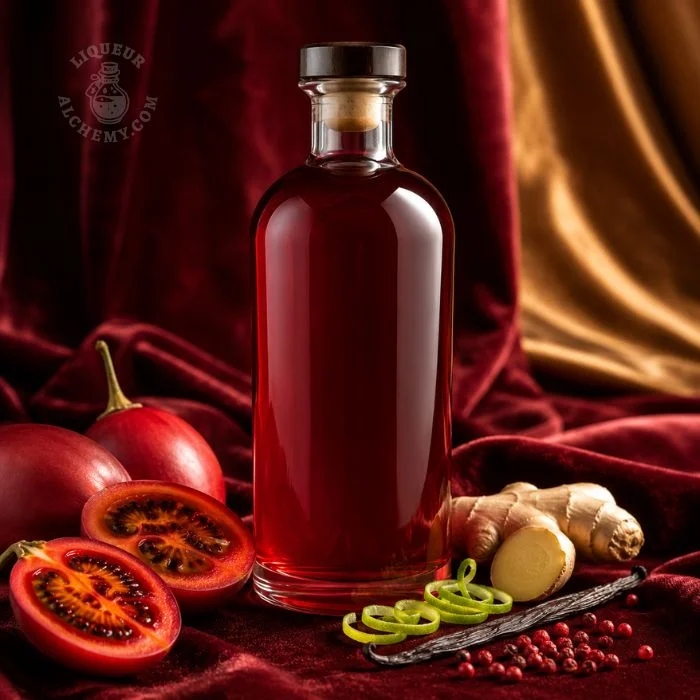
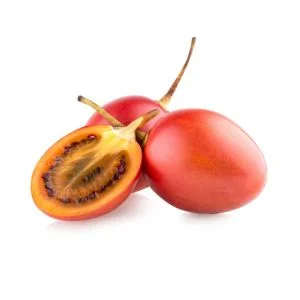
How should tamarillo be prepared before adding it to alcohol for infusion?
Infusion and Maceration Methods for Homemade Liqueurs
Direct Answer
Wash ripe tamarillo well, trim and cut it into clean pieces, and avoid over-crushing; peeling can help create a cleaner and less bitter infusion.
Expanded Explanation
Tamarillo should be prepared with cleanliness, moderation, and control in mind. The fruit should first be washed well and checked for ripeness, bruising, or spoilage. Fully ripe tamarillo is usually better for liqueur making because it gives a more balanced aroma and less aggressive acidity. After washing, many makers cut the fruit into manageable pieces rather than crushing it heavily. This gives the alcohol access to the flesh without creating unnecessary pulp that can complicate straining later.
Whether to peel tamarillo depends on the style you want. Leaving the skin on can contribute more depth and structure, but it may also increase bitterness or harshness if the infusion runs too long. Peeling can lead to a cleaner, softer result, especially for a more polished fruit liqueur. Seeds can usually remain unless the maker wants an especially refined profile, though excessive crushing should still be avoided. Clean slices, wedges, or medium chunks are often a safer starting point than turning the fruit into mash.
Good preparation is really about managing extraction before it begins. The fruit should go into a clean glass jar, ideally without extra water on the surface. It should be handled gently enough to preserve flavor but opened enough for the spirit to work effectively. Tamarillo is not a fruit that benefits from rough treatment. Thoughtful preparation supports a clearer, brighter infusion, makes filtration easier, and reduces the risk of pulling too many green, bitter, or cloudy elements into the final liqueur.