How does the choice of alcohol base affect the final flavor of a liqueur?
Homemade Liqueur Basics for Better Small Batch Results
Direct Answer
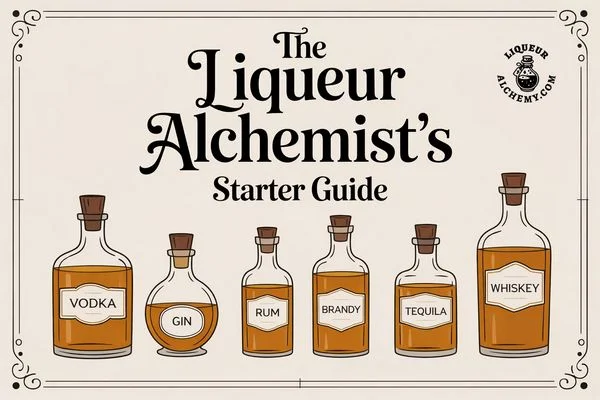
The alcohol base affects aroma, sweetness, texture, and overall balance, so the same ingredients can produce very different liqueurs depending on whether you use vodka, rum, brandy, or whiskey.
Expanded Explanation
The alcohol base shapes the liqueur even before any ingredient is added. A neutral vodka keeps the profile focused on the infused flavors, while rum contributes sweetness and warmth, brandy adds fruit and roundness, and whiskey brings oak, grain, and spice. These built-in notes influence how the whole recipe feels on the palate.
The base also changes perception of sweetness, bitterness, and texture. A rich spirit can make the liqueur feel fuller and softer, while a clean base can make citrus, herbs, and spices taste brighter and more defined. Even with the same fruit and same sugar level, the finished liqueur can feel completely different depending on the base spirit.
That is why recipe design should start with spirit selection, not just ingredients. When the alcohol base supports the main flavor theme, the liqueur tastes integrated. When the base fights the ingredients, the result can feel muddy, overly sweet, or uneven even if the extraction itself is technically correct.