How does replacing tamarillo affect the final balance of the liqueur?
Flavor Balance and Texture in Homemade Liqueurs
Direct Answer
Replacing tamarillo can make a liqueur softer, sharper, sweeter, or less complex, so the recipe usually needs rebalancing in sweetness, acidity, and spice.
Expanded Explanation
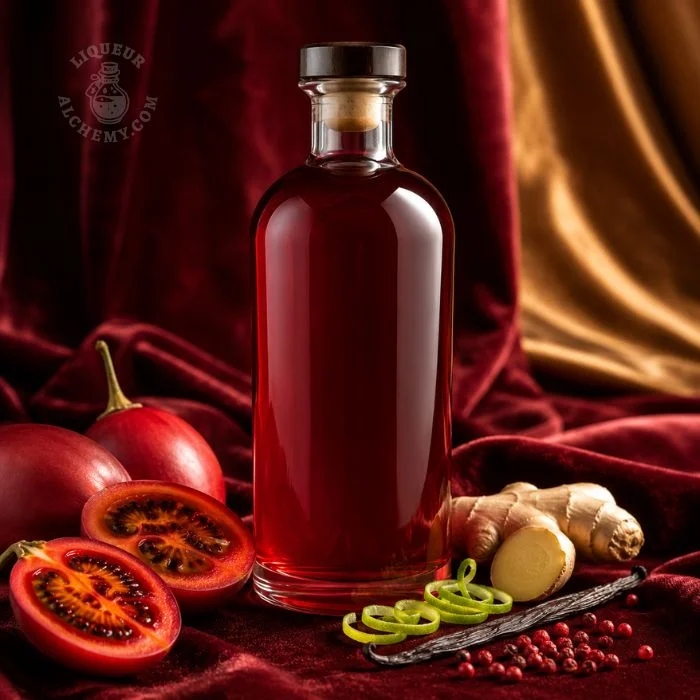
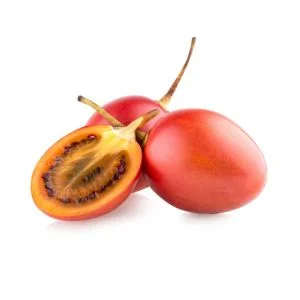
Replacing tamarillo changes more than just the main fruit note. Tamarillo often contributes a mix of acidity, brightness, slight bitterness, and an unusual fruity depth that helps shape the entire structure of a liqueur. When it is replaced, the final result may become sweeter, flatter, sharper, or less layered depending on the substitute used. A recipe built around tamarillo usually relies on its tension between tartness and fruit richness, so removing it can shift the whole balance noticeably.
For example, using plum instead of tamarillo may produce a rounder, softer liqueur with less lively acidity. Replacing it with passion fruit may increase perfume and sharp tropical character, but reduce the grounded body that tamarillo can provide. Gooseberry may preserve some freshness, though it can feel greener and leaner. Even when the substitute tastes attractive, the original interplay with sugar, citrus, spice, and spirit may no longer behave in the same way. That is why a direct one-to-one swap often needs follow-up adjustment.
In liqueur making, balance means checking sweetness, acidity, bitterness, aroma, and texture together. A tamarillo recipe that once felt vivid and precise may need more sugar, less citrus, or gentler spice when another fruit is used. Sometimes the opposite is true and the replacement makes the result too soft, requiring extra acid lift. The safest method is to view substitution as a redesign of the profile rather than a simple ingredient exchange. Tamarillo has a structural role, and replacing it always changes the final conversation between fruit, alcohol, and sweetness.