Does golden kiwi release more sugars or acids during maceration in high-proof spirits?
Infusion and Maceration Methods for Homemade Liqueurs
Direct Answer
Golden kiwi releases both sugars and acids during maceration, but its main contribution is soft fruit sweetness with gentle acidity rather than sharp sourness. Compared with green kiwi, golden kiwi is usually perceived as sweeter, rounder, and less...
Expanded Explanation
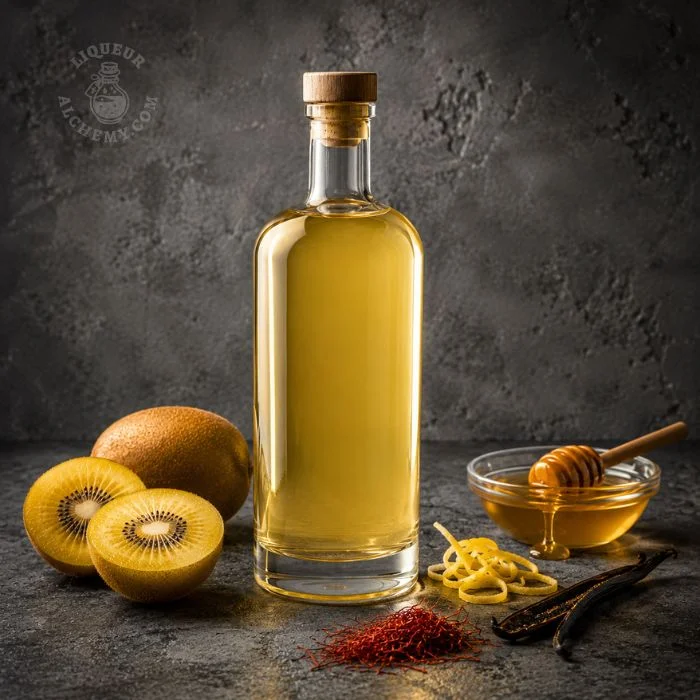
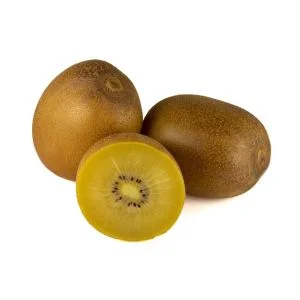
Golden kiwi releases both sugars and acids during maceration, but its main contribution is soft fruit sweetness with gentle acidity rather than sharp sourness. Compared with green kiwi, golden kiwi is usually perceived as sweeter, rounder, and less tart. In high-proof spirits, alcohol extracts aromatic compounds quickly while sugar and water-soluble fruit components move into the liquid more gradually. This means the liqueur can smell tropical quite early, even before the full body has developed.
The acid release is still important because it gives golden kiwi liqueur freshness and prevents the sweetness from becoming dull. However, the acidity is usually mild, so the finished drink may need support from lemon, lime, orange, or another bright ingredient. Without that balance, golden kiwi can produce a liqueur that tastes pleasant but slightly flat, especially after sugar is added.
High-proof alcohol can also make the fruit texture break down faster, which increases sediment and pulp. A good method is to use sliced fruit, add sugar in a controlled amount, and taste during the infusion. This helps capture golden kiwi’s honeyed tropical flavor while keeping acidity, sweetness, and alcohol warmth in balance.