How does dried lemon extract in alcohol compared to fresh lemon in liqueur making?
Infusion and Maceration Methods for Homemade Liqueurs
Direct Answer
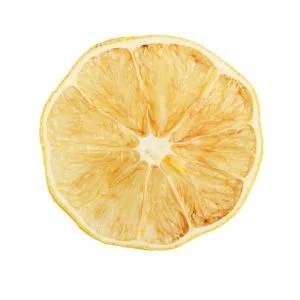
Dried lemon extracts with deeper, rounder citrus and gentle bitterness, while fresh lemon gives sharper brightness and more immediate freshness.
Expanded Explanation
Dried lemon extracts into alcohol differently from fresh lemon because the drying process concentrates some aromatic compounds while softening the bright juicy impression associated with fresh citrus. In liqueur making, fresh lemon usually gives more immediate brightness, sharper acidity perception, and a fresher top note, especially when zest or juice is added. Dried lemon, by contrast, often produces a more rounded, deeper citrus character with a gentle bitterness and less raw sharpness. I...
That difference makes dried lemon especially useful in recipes that need structure rather than simple brightness. Fresh lemon can be vivid and lively, but it can also feel direct and sometimes one-dimensional if not balanced carefully. Dried lemon brings a more layered profile that can sit beautifully beside honey, vanilla, cinnamon, ginger, or berries. Instead of tasting like freshly squeezed citrus, it often tastes more like a concentrated citrus peel and flesh combination, with brightness supported by a...
For homemade liqueurs, this means dried lemon is often better when the goal is depth, elegance, and a more integrated citrus presence. Fresh lemon is ideal when the recipe needs sparkle and immediate freshness. Dried lemon works best when the maker wants citrus to shape the liqueur more quietly, adding lift and bitterness without overwhelming the rest of the formula.