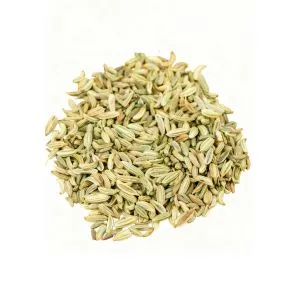
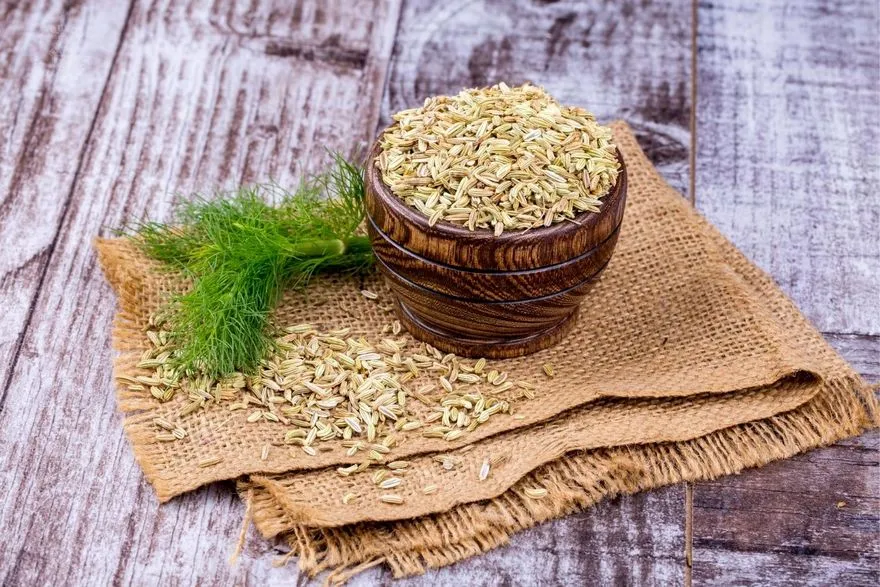
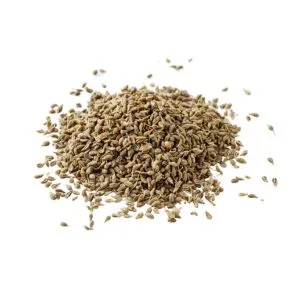
Fennel Seeds

Fennel Seeds for Liqueur Infusions – Flavor & Pairing Tips

Fennel seeds bring gentle sweetness and subtle anise aroma to liqueurs. Their herbal character adds freshness while rounding out fruit and spice infusions. When steeped, they release warm, fragrant oils that create harmony between sweet and savory tones. Perfect in citrus, honey, or herbal liqueurs, fennel seeds contribute sophistication and lightness that elevate both flavor and aroma.

Fennel Seeds

Home / Ingredients / Seeds / Fennel Seeds

Fennel Seeds Flavor Profile

Sweet anise aroma, cooling licorice notes with gentle herbal warmth.

Fennel Seeds Impact on Liqueurs

Adds freshness and lift; classic for digestifs and herbal-style liqueurs.

How to Use Fennel Seeds?

Use whole seeds, lightly crushed; 1–2 tsp per 1 L. Infuse 5–14 days in vodka.

Fennel Seeds Pairing Suggestions

Vodka, Cane Sugar, Orange Peel, Lemon, Honey, Anise, Cardamom, Apple
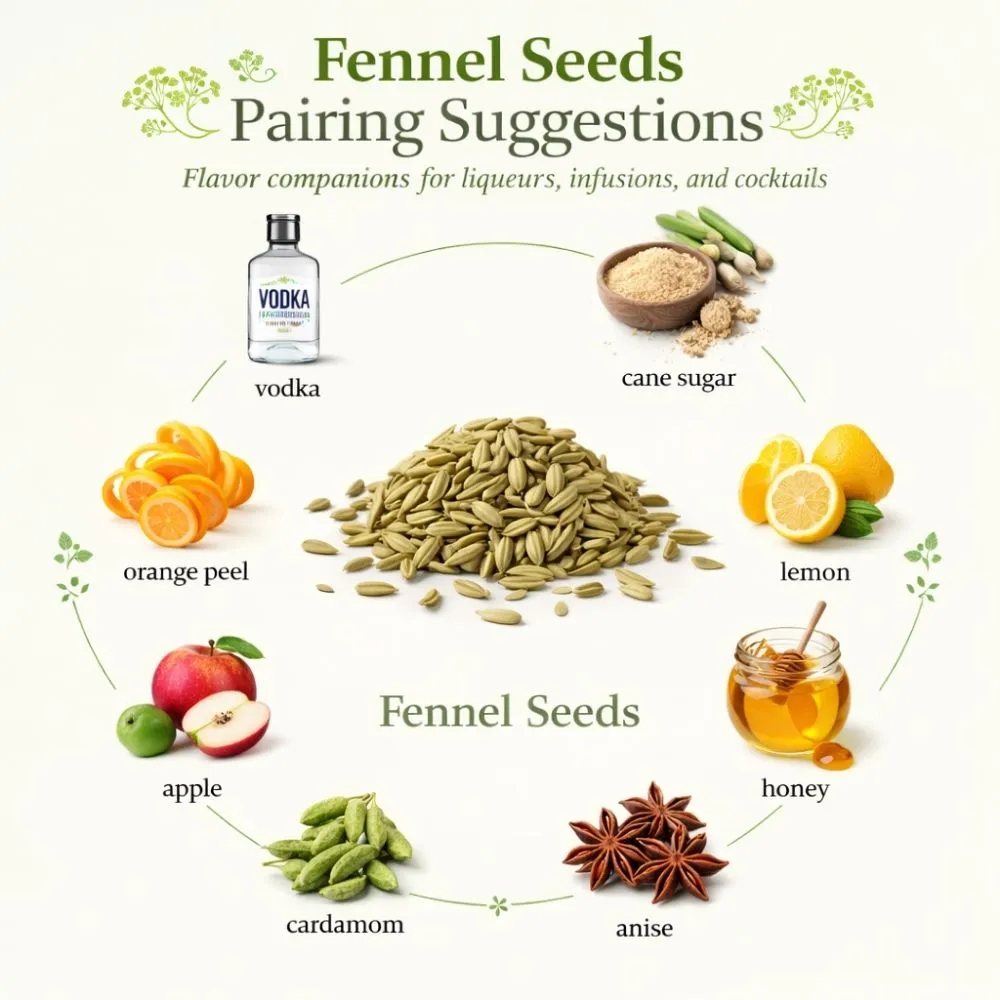
Fennel Seeds pairing suggestions for liqueur making

Fennel Seeds FAQ


Fennel is intensely aromatic and can dominate fast, especially if crushed. Start with ½–1 tsp seeds per liter (lightly bruised, not powdered) in 40–50% ABV. Taste at 6–12 hours and plan to strain within 12–48 hours for a gentle anise lift.

If you want more complexity rather than more fennel, add complementary notes like citrus peel, vanilla, or a small amount of coriander seed. For precision, make a fennel tincture and dose by drops—this avoids the classic “too much anise” problem.

Common mistakes include grinding seeds, steeping for days, and pairing with strong anise/star anise at the same time. Flavor impact should be fresh, sweet-herbal, not mouthwash. Store seeds airtight; stale fennel tastes woody and flat.

Citrus and fennel are the classic pairing—orange, lemon, and grapefruit peel make fennel read fresh rather than candy-like. Stone fruits (apricot, peach, nectarine) also work well, adding juicy sweetness that rounds fennel’s herbal edge. Coffee can work, but only as a background note; too much roast plus fennel can taste savory.

Timing: infuse your main ingredient first (fruit, coffee, etc.), strain, then add fennel briefly at the end so you can control intensity. If you want a “Mediterranean” vibe, add a micro-dose of rosemary or bay—very small and very short.

Common mistakes are stacking too many anise-like botanicals and steeping everything together. Flavor impact should be aromatic lift and a longer finish. Store cool and dark; fennel-forward liqueurs evolve and can feel stronger after a week of rest.

Several factors influence the extraction of fennel seeds in liqueur production. The type of alcohol used can impact the extraction efficiency, with higher proof spirits generally extracting flavors more effectively. Additionally, the size of the fennel seeds can play a role; crushed seeds release their oils more readily than whole seeds.

The steeping time is another critical factor. A longer infusion may yield a more robust flavor, but it can also introduce bitterness if not monitored. It's essential to taste the mixture periodically to achieve the right flavor profile without over-extracting.

Lastly, the temperature during extraction can affect the release of volatile compounds. Warmer temperatures can speed up the process, but care must be taken to avoid cooking the seeds, which can alter their flavor. Experimentation with these variables can lead to unique liqueur creations.

Before using fennel seeds in liqueur making, it's beneficial to lightly toast them. This process enhances their flavor and aroma, making them more aromatic in your final product.

To toast fennel seeds, simply heat a dry skillet over medium heat. Add the seeds and stir continuously for about 2-3 minutes until they become fragrant. Be careful not to burn them, as this can impart a bitter taste.

After toasting, allow the seeds to cool before grinding or infusing them into your liqueur. This preparation method will elevate the overall taste and complexity of your craft liqueur.

Yes, there are several common household spices that can replace fennel seeds. One of the most accessible substitutes is star anise, which has a similar flavor profile and can enhance the aromatic qualities of your liqueur. Use it in moderation, as its flavor can be quite potent.

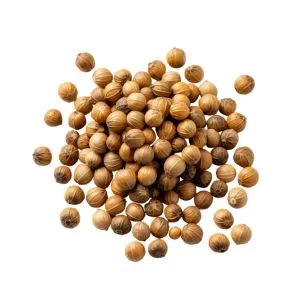
Another option is coriander seeds, which provide a citrusy note that can complement other ingredients in your liqueur. While they lack the licorice flavor of fennel, they can still contribute to a well-rounded taste. Start with a small amount and increase as needed.

Lastly, you might consider using a blend of sweet spices like cinnamon or nutmeg. While they will alter the flavor significantly, they can add warmth and depth to your liqueur. Experiment with small quantities to find the right balance.
Fennel Seeds
Fennel Seeds in Liqueur Crafting

More Seeds


RELATED RECIPES OF LIQUEUR ALCHEMY


Explore more creations from Liqueur Alchemy that share similar flavours, techniques, or ingredients. These related recipes offer fresh ideas and inspired combinations to help you craft your next bold, homemade spirit.

LIQUEUR ALCHEMY TOOLS & RESOURCES


Design labels in minutes—beautiful, practical, and ready to print. Choose a tool below to generate bottle or ingredient labels that match your Liqueur Alchemy workflow.
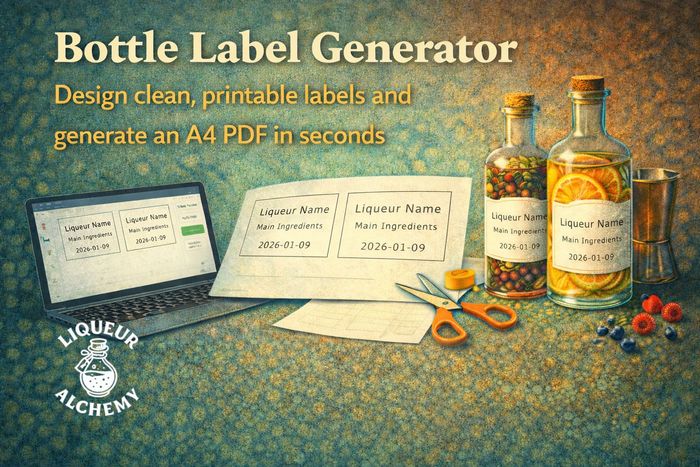
Bottle Label Generator preview

Bottle Label Generator

Create clean bottle labels with your liqueur name, batch details, date — ready for printing and gifting.
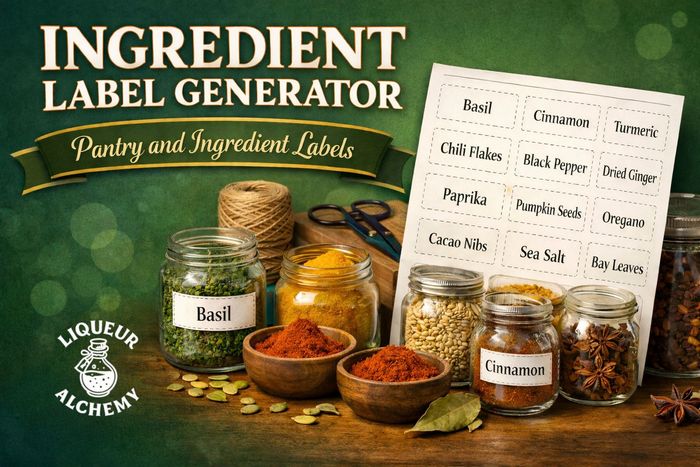
Ingredient Label Generator preview

Ingredient Label Generator

Label jars, containers, and storage bags to maintain clear organization from preparation through infusion and serving.
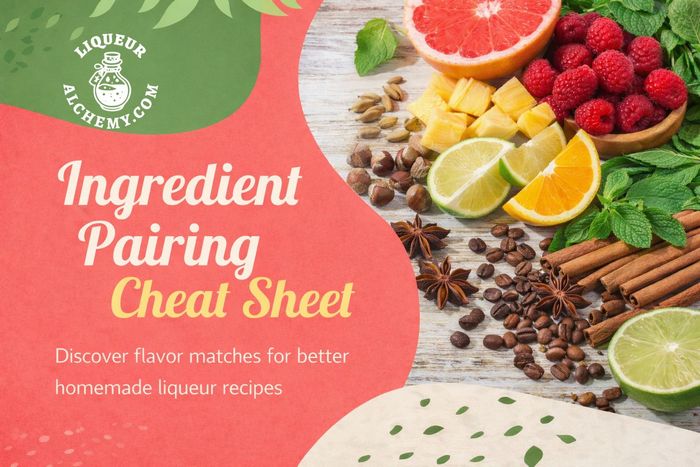
Ingredient pairing cheat sheet for creating balanced homemade liqueurs

Ingredient Pairing Cheat Sheet

Discover flavor combinations that create balanced, complex, and unique homemade liqueurs.