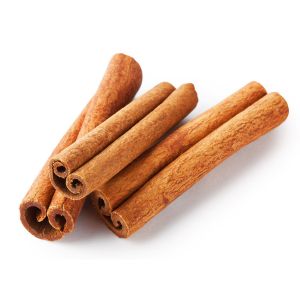
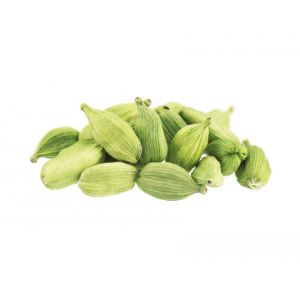
When should you remove cloves, cinnamon, and cardamom so they don’t dominate persimmon?
Persimmon is gentle and honeyed, so strong spices can quickly take over. Cloves are the main risk (medicinal and numbing), cinnamon can become woody, and cardamom can turn camphor-like if pushed. If spice shows up strongly on the finish, you’re at the edge.
Use staged removal: pull cloves first when the aroma is warm and slightly sweet, not “dentist clove.” Pull cinnamon when it reads like soft bakery warmth, not bark. Cardamom should feel floral and bright; remove it if it becomes minty or medicinal.
If spice is too bold, rest helps a lot, and a small dilution can bring persimmon back. Sweetness also increases perceived spice, so avoid adding more sugar as a first fix—timing and patience are usually better.
How do you balance a high cane-sugar level with mandarine and honey without making it cloying?
With big sugar, the risk is a thick, sticky finish that hides fruit and makes spice feel heavy. Mandarine adds brightness, and honey adds softness, but both can disappear under density. The aim is “rich” rather than “syrupy.”
Taste chilled and consider dilution as your first lever. A small addition of spirit (or a tiny splash of water) lowers viscosity and often reveals mandarine aroma again. Then adjust acidity in micro-steps: a touch more mandarine zest aroma can lift the nose without making it sour.
Give it time. High-sugar liqueurs can feel cloying right after mixing but often settle into a smoother, integrated sweetness over a few weeks. Final tweaks are best after resting, not immediately.
Can you swap dark rum or whiskey and still keep persimmon warm and rounded?
Rum and whiskey each bring their own sweetness and oak/spice structure. Dark rum adds molasses warmth; whiskey adds oak, vanilla, and a drier edge. If you swap one, your persimmon can shift from plush to sharp—or from elegant to candy-like.
If you only have one spirit, choose the direction you want: all-rum gives richer sweetness and softer tannin; all-whiskey gives more structure and a drier finish. To compensate, adjust sweetness cautiously and lean on mandarine zest for lift. Keep the spice restrained so it doesn’t become a hot, oaky potpourri.
After sweetening, rest matters more than tweaks. Oak and spice integrate with time, and persimmon’s pulp character becomes smoother. Make final balance decisions after it has settled, not on day one.