Pomelo after Dark

Pomelo After Dark – Bitter Pomelo & Whiskey Night Liqueur

Pomelo After Dark offers a unique blend of rich whiskey and the vibrant, tangy notes of pomelo, complemented by the warmth of spices like cloves and nutmeg. This liqueur is both refreshing and complex, making it perfect for sipping or mixing in cocktails that crave depth and character.

Main notes

  • Whiskey
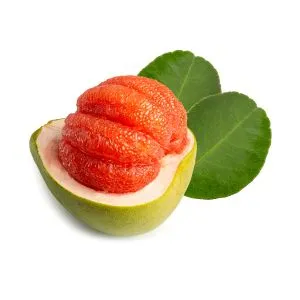
  • Red Pomelo
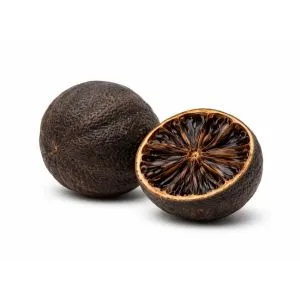
  • Black Lemon

Ingredients

  • Whiskey – 1 L
  • Red Pomelo (no pith) – 750 g
  • Pomelo peel – 3 strips
  • Black lemon (loomi) – 1 whole
  • Brown sugar – 180 g
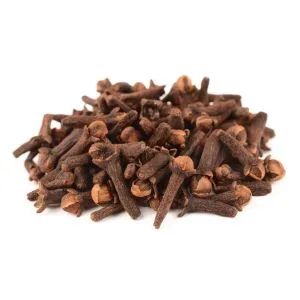
  • Cloves – 4
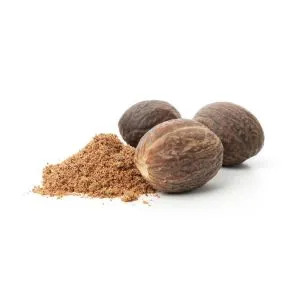
  • Nutmeg – ½ whole

Preparation

  1. Wash the pomelo thoroughly and remove three wide strips of peel, avoiding excess pith.
  2. Peel and separate the pomelo flesh, ensuring all white pith is removed.
  3. Lightly bruise the pomelo flesh to release juice.
  4. Place pomelo flesh and peel strips into a large glass jar.
  5. Crack the black lemon gently and add it to the jar.
  6. Add cloves and lightly crush the nutmeg before adding.
  7. Pour in the brown sugar.
  8. Add the whiskey, fully submerging all ingredients.
  9. Seal and store in a dark place for 3–4 weeks, shaking gently every few days, then strain and rest.
Download

The Story

Pomelo After Dark is a citrus liqueur shaped by shadow rather than light. Built on whiskey, it draws out pomelo’s bitter flesh and aromatic peel, letting depth replace brightness. Black lemon adds dry, smoky acidity, while brown sugar softens the edges with a quiet molasses warmth. Cloves and nutmeg stay subtle, supporting rather than dominating, giving the liqueur structure and gentle heat. The result is layered and restrained, unfolding slowly with notes of peel, smoke, and spice. This is a liqueur for late hours, meant to linger in the glass and on the palate, revealing complexity over time.


Who is "Pomelo after Dark" Liqueur for?

For bold, curious drinkers who enjoy bitterness, warmth, and depth over sweetness. Pomelo After Dark suits slow sippers, experimental palates, and quiet evenings where layered flavors and subtle smoke are appreciated.

"Pomelo after Dark" Liqueur Serving Suggestions

Serve neat or lightly chilled in a small tasting glass. Best enjoyed in the evening or after dinner, allowing its bitter pomelo, smoky citrus, and warm spice to unfold slowly and linger with each sip.

Why the Name "Pomelo after Dark"?

The name 'Pomelo After Dark' evokes the essence of the liqueur's vibrant ingredients while hinting at a mysterious, evening indulgence. The use of deep flavors and aromas invites you to explore the darker, richer side of the pomelo, transforming this bright fruit into a sophisticated after-dinner treat that warms the soul.

Testing Notes

During testing, we found that lightly bruising the pomelo flesh significantly enhanced the extraction of flavors. Additionally, allowing the liqueur to rest for a couple of weeks after straining helped to mellow the spice notes, creating a smoother, more harmonious blend. Adjusting the sugar level can also tailor the sweetness to personal preference.

Pomelo after Dark Liqueur FAQ


Pomelo flesh builds citrus body early, while peel and dried black lemon (loomi) keep deepening bitterness and dry, smoky citrus over time. For most 1 L batches, you want the fruit character established first, then you decide how far to push the “after-dark” bitterness from peel and loomi.

Start tasting around day 7–10. If bitterness starts drying the tongue or the smoky-citrus note begins to hide the pomelo, remove the peel strips first and continue with pomelo flesh and loomi. If you cracked the loomi aggressively, it can extract faster; taste more often and remove it early if it becomes too tea-like.

A common mistake is leaving peel and loomi in for the full planned window without tasting. They don’t fail loudly—bitterness creeps. Once it dominates, you can only soften it by blending or extra rest, so removal timing is your best control tool.

Brown sugar sweetens and adds molasses warmth, which pairs naturally with whiskey, but it can also “round off” the sharp edges that make citrus feel vivid. If the batch is sweetened too heavily or too early, pomelo may seem flatter and the finish can drift toward heavy caramel rather than bitter-citrus depth.

For best control, sweeten gradually after you have already controlled bitterness by removing peel and spices at the right moment. After each small adjustment, give it time—perceived sweetness often drops after a few days as citrus and spice reassert themselves.

A common mistake is trying to fix rising bitterness by adding a lot more sugar. That often creates a liqueur that is both too sweet and still bitter. If it ends up overly sweet, blending with a little more whiskey usually preserves structure better than diluting with water.

Clove extracts very quickly and can swing from warm to medicinal in a short time, especially in higher-proof whiskey. Nutmeg is rounder, but if over-crushed or left too long it can turn woody and dull, pushing the profile away from citrus and into “spice cabinet.”

The best fix is immediate removal: strain out cloves first as soon as they become clearly noticeable, and remove nutmeg if it turns dominant or woody. Then rest the liqueur—time often smooths sharp spice edges and lets pomelo re-emerge. If spice still dominates after resting, blending with more whiskey can widen the base and reduce spice intensity without thinning the texture.

A common mistake is using ground spices. Ground clove or nutmeg is hard to filter, extracts aggressively, and can create dusty bitterness. Whole spices (or large pieces) give you control, cleaner flavor, and easier finishing.

RALETED RECIPES OF LIQUEUR ALCHEMY


Explore more creations from Liqueur Alchemy that share similar flavours, techniques, or ingredients. These related recipes offer fresh ideas and inspired combinations to help you craft your next bold, homemade spirit.