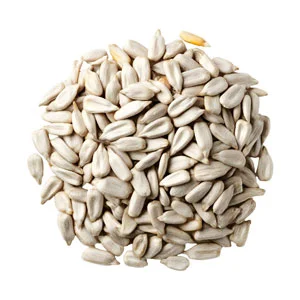
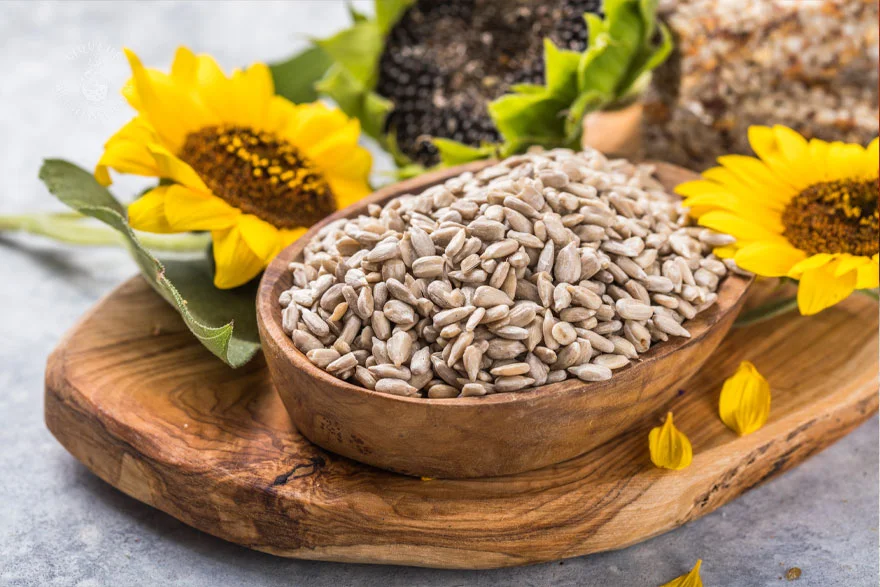
Sunflower Seeds

Sunflower Seeds in Liqueur Making: Toasted, Nutty and Rich Flavors

Sunflower seeds bring a distinctive nutty, earthy character to homemade liqueurs, especially when lightly toasted before infusion. Their flavour develops notes of roasted nuts, cereal, caramel and subtle cocoa while adding a soft, rounded impression to the spirit. Vodka provides a clean base, while dark rum enhances their deeper roasted qualities. Sunflower seeds work particularly well with honey, vanilla, cacao, cinnamon and darker sugars, creating rich, warming liqueurs with excellent dessert-style depth.

Sunflower Seeds

Home / Ingredients / Seeds / Sunflower Seeds

Sunflower Seeds Flavor Profile

Nutty, earthy and gently roasted, with cereal-like notes, mild natural sweetness, subtle bitterness and a soft, creamy finish.
Sunflower Seeds Impact on Liqueurs

Adds toasted nutty depth, rounded body and gentle earthy richness, supporting caramel, vanilla, cacao and warm spice flavours.

How to Use Sunflower Seeds?

Use shelled, unsalted sunflower seeds. Lightly toast them before infusion to intensify their nutty aroma, then cool completely before adding to alcohol. Avoid excessive roasting, which can introduce burnt bitterness. Taste regularly during maceration and filter carefully, as the seeds may release fine particles and natural oils.

Sunflower Seeds Pairing Suggestions

Vodka, Dark Rum, Honey, Demerara Sugar, Vanilla, Cinnamon, Cacao Nibs, Coffee, Orange, Sea Salt
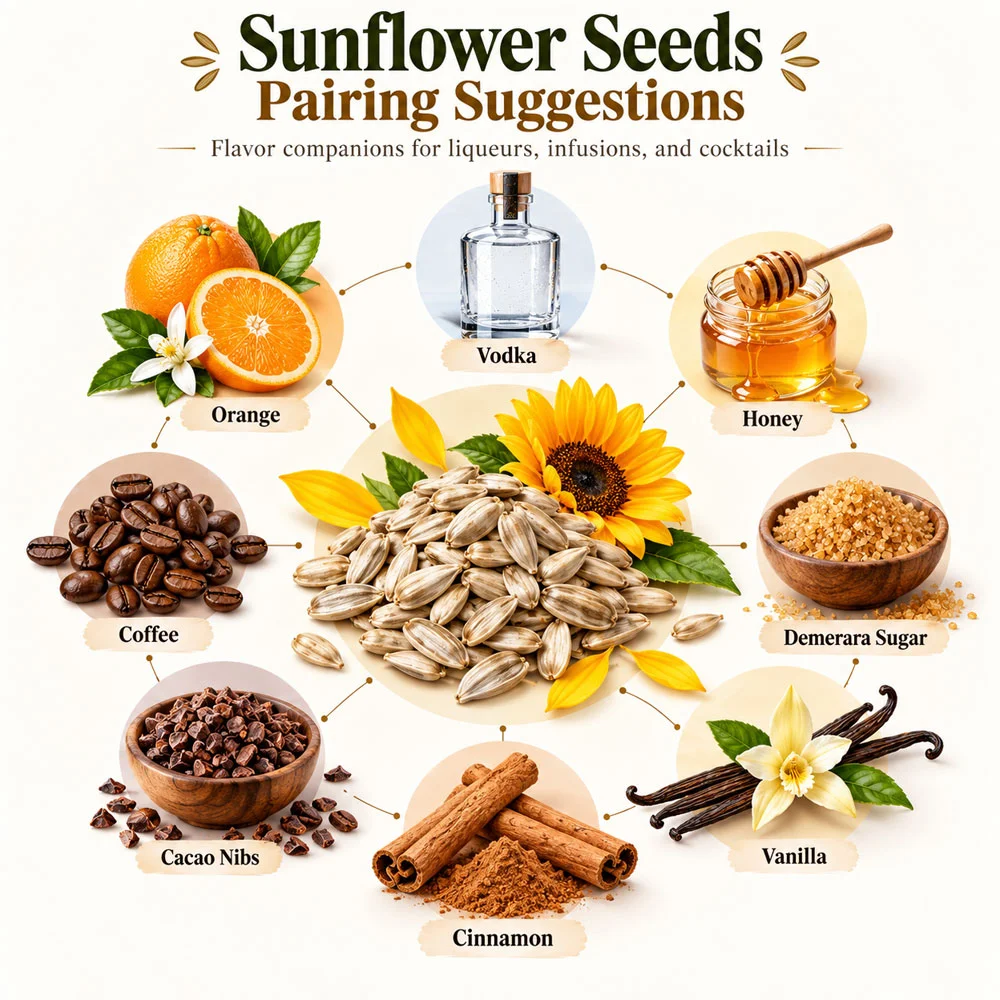
Sunflower Seeds pairing suggestions for liqueur making

Sunflower Seeds FAQ


Yes. Lightly toasting sunflower seeds before infusion can improve flavor extraction because heat develops their naturally mild seed character into deeper roasted, nutty, cereal-like and caramelized notes. These aromas dissolve readily into alcohol and usually produce a more distinctive liqueur than raw seeds. Toasting also reduces some of the fresh, grassy character that untreated seeds may contribute. The goal is gentle browning and a pleasant roasted aroma rather than dark coloration.

For liqueur making, spread shelled, unsalted sunflower seeds in a single layer and toast them gently until fragrant. Allow them to cool completely before adding them to vodka, rum or another spirit. Cooling is important because warm ingredients can encourage unnecessary evaporation of alcohol. Lightly crushing some of the cooled seeds can increase exposed surface area, but grinding them finely is not recommended because this releases more oils and makes filtration difficult.

Over-toasting has the opposite effect and can introduce burnt, smoky or harsh bitterness that alcohol may emphasize. Start with a light toast, taste the infusion regularly and stop maceration once the desired roasted character is achieved. Honey, vanilla, cacao, cinnamon and darker sugars work particularly well with toasted sunflower seeds because they reinforce their warm, dessert-like profile.

Pumpkin seeds are one of the closest practical substitutes for sunflower seeds in homemade liqueurs because they also provide a mild seed-based nuttiness that becomes richer when toasted. Sesame seeds can work when a stronger roasted character is wanted, although their flavor is more distinctive and can dominate quickly. Almonds or hazelnuts can replace the broader nutty impression, but they move the liqueur away from a true seed profile.

The best substitute depends on the role sunflower seeds play in the recipe. For gentle toasted cereal notes, pumpkin seeds are usually the easiest replacement. For pronounced roasted depth, sesame can be used at a lower dosage. For creamy dessert-like richness, almonds or hazelnuts pair naturally with vanilla, cacao, coffee and dark sugars. Each substitute extracts differently, so the original sunflower-seed quantity and infusion time should not automatically be copied.

When changing ingredients, begin conservatively and taste the infusion regularly. Toasting the replacement lightly can reproduce some of the warm character expected from sunflower seeds, but avoid burning it. Also consider oil content because seeds and nuts can create haze or make filtration more demanding. Vodka keeps the comparison neutral, while rum emphasizes roasted and caramelized qualities. Adjust sweetening only after the infused spirit has been strained and evaluated.

A sunflower seed infusion in vodka should generally be treated as a relatively short, taste-driven maceration rather than an ingredient that must remain in alcohol for months. Lightly toasted seeds can begin contributing recognizable nutty and roasted notes fairly quickly. A practical starting approach is to taste after several days and continue only while the flavor is becoming more rounded and appealing.

For many small-batch liqueurs, roughly one to three weeks provides a useful working range, depending on seed quantity, toast level and whether the seeds are whole or lightly crushed. Crushed seeds expose more surface area and may extract faster, while whole seeds can require longer contact. Keep the jar tightly closed, away from direct sunlight and at a stable room temperature. Gentle occasional movement is sufficient; vigorous daily shaking can disperse additional oils and fine particles.

Do not judge readiness by time alone. Taste a small sample regularly and strain when the desired toasted, cereal-like and nutty character is present. Extending maceration unnecessarily can increase bitterness, oiliness or stale seed notes without adding useful complexity. After straining, allow the vodka to rest before adding honey or sugar. Resting helps reveal the true intensity of the seed extraction and makes final sweetness easier to balance.

The most common cause of unwanted bitterness is over-toasting the sunflower seeds. Once the seeds move from pleasantly roasted to dark or scorched, burnt compounds can dominate the infusion and alcohol may make them seem even sharper. Using old, rancid or poorly stored seeds can also create unpleasant bitter, stale or paint-like notes that sweetness will not successfully hide.

Excessive maceration is another potential problem, especially when seeds have been finely crushed or ground. Greater surface area accelerates extraction and can pull out harsher flavors while releasing more oils and fine solids. Too much cinnamon, cacao, coffee or other bitter supporting ingredients can compound the problem and make it difficult to identify the source. Taste the infusion regularly instead of leaving it untouched for an arbitrary long period.

Prevention is easier than correction. Use fresh, unsalted seeds, toast gently, cool them completely and keep crushing coarse rather than fine. Strain as soon as the desired nutty character is reached. If a finished infusion is only slightly bitter, modest sweetness, vanilla or blending with uninfused spirit may restore balance. Severe burnt or rancid bitterness is rarely worth masking, because adding large quantities of sugar can produce a sweet liqueur that still has an unpleasant finish.

Sunflower seeds can give homemade liqueurs a softer, rounder and slightly richer mouthfeel because they contain natural oils and compounds that enter the spirit during maceration. This can be desirable in dessert-style recipes, where a modest increase in body complements honey, vanilla, cacao, coffee and dark sugar. The effect is usually more noticeable when seeds are toasted or lightly crushed before infusion.

Too much oil extraction, however, can make the liqueur feel heavy or slightly greasy rather than pleasantly rounded. Finely grinding the seeds, using a very high dosage, vigorous agitation or excessively long maceration can increase this risk. Oils and fine seed particles may also produce haze. Careful filtration through increasingly fine material can improve clarity, although some natural softness may remain even after visible particles are removed.

Texture should therefore be managed alongside flavor. Use whole or coarsely crushed seeds and taste regularly, stopping extraction when both aroma and mouthfeel are balanced. Allow the strained infusion to rest before final sweetening because suspended material may settle during this period. Sugar and honey also increase viscosity, so evaluate the seed-derived body before adding large quantities of sweetener. A balanced sunflower seed liqueur should feel rounded, not oily.
Sunflower Seeds
Sunflower Seeds in Liqueur Crafting

More Seeds


LIQUEUR ALCHEMY TOOLS & RESOURCES


Design labels in minutes—beautiful, practical, and ready to print. Choose a tool below to generate bottle or ingredient labels that match your Liqueur Alchemy workflow.
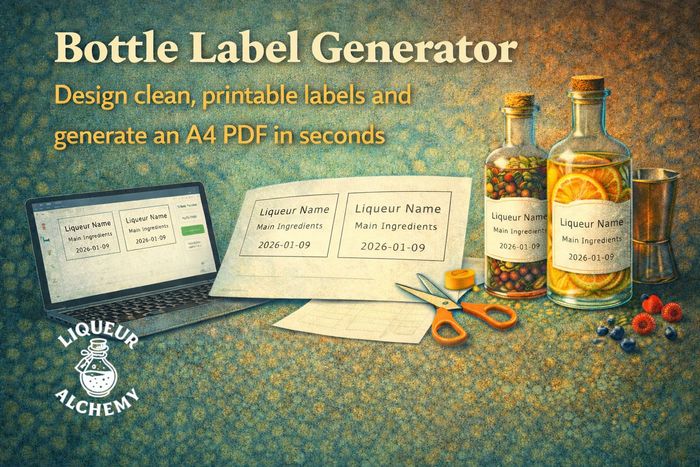
Bottle Label Generator preview

Bottle Label Generator

Create clean bottle labels with your liqueur name, batch details, date — ready for printing and gifting.
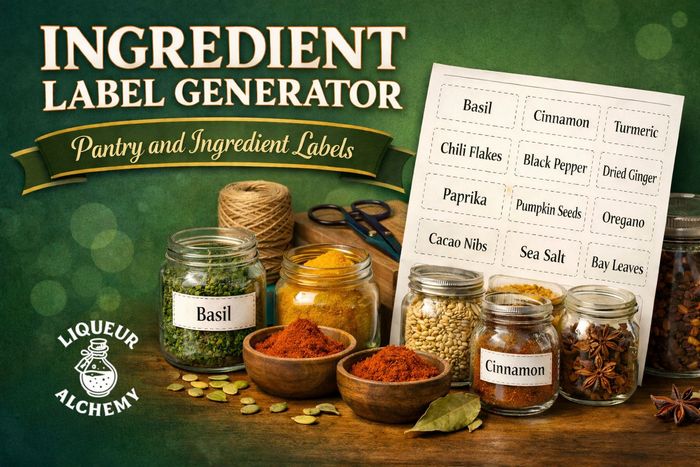
Ingredient Label Generator preview

Ingredient Label Generator

Label jars, containers, and storage bags to maintain clear organization from preparation through infusion and serving.
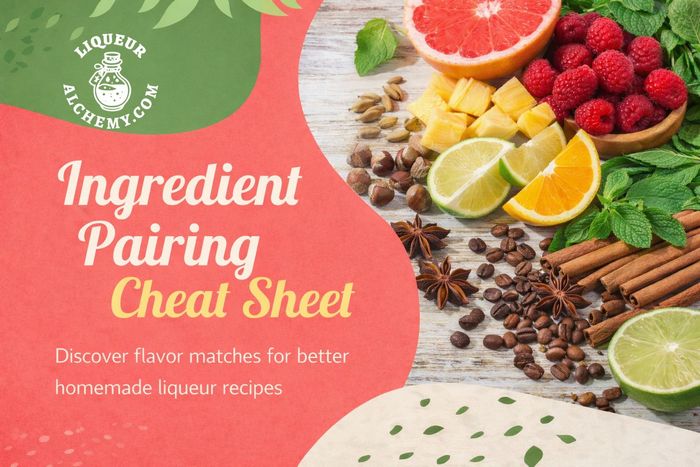
Ingredient pairing cheat sheet for creating balanced homemade liqueurs

Ingredient Pairing Cheat Sheet

Discover flavor combinations that create balanced, complex, and unique homemade liqueurs.