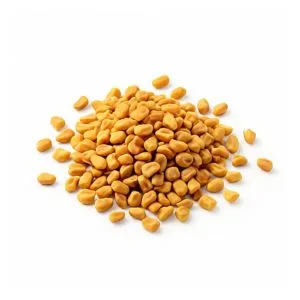
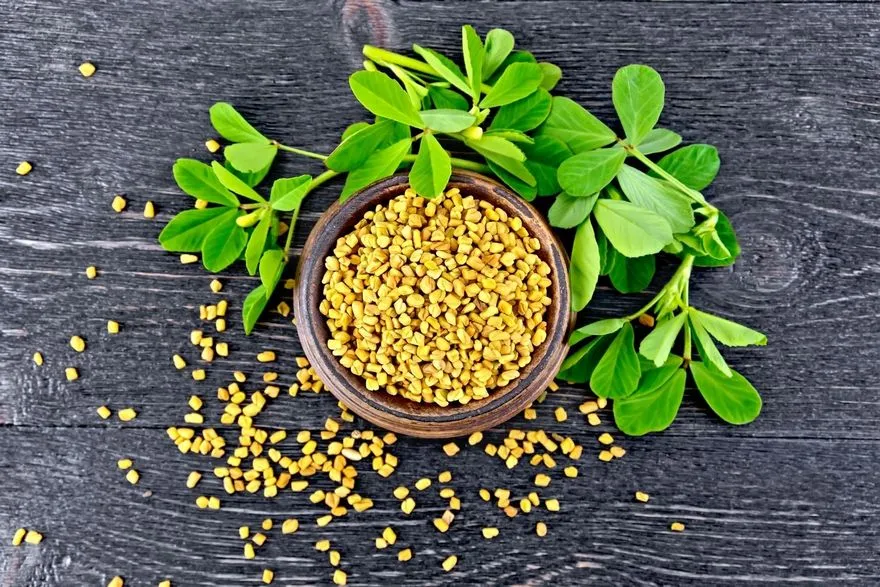
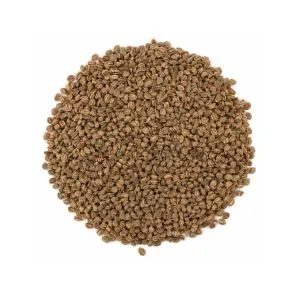
Fenugreek Seeds

Fenugreek Seeds for Liqueur Infusions – Flavor & Pairing Tips

Fenugreek seeds bring a warm, gently bitter character with a natural maple-like aroma that adds unique depth to liqueurs. Their earthy sweetness balances stronger spices while contributing herbal richness and complexity. When infused lightly, they create a smooth, rounded background note that enhances fruit, spice, or nut-based liqueurs. Used sparingly, fenugreek introduces warmth, intrigue, and a softly aromatic backbone to any blend.

Fenugreek Seeds

Home / Ingredients / Seeds / Fenugreek Seeds

Fenugreek Seeds Flavor Profile

Warm, nutty-bitter spice with maple-like sweetness and earthy depth.

Fenugreek Seeds Impact on Liqueurs

Adds unusual savory-sweet complexity and depth; best as a subtle background note.

How to Use Fenugreek Seeds?

Lightly toast seeds; 0.25–0.5 tsp per 1 L. Infuse 3–7 days in rum or brandy.

Fenugreek Seeds Pairing Suggestions

Rum, Cane Sugar, Maple Syrup, Vanilla, Cinnamon, Coffee, Cacao, Ginger
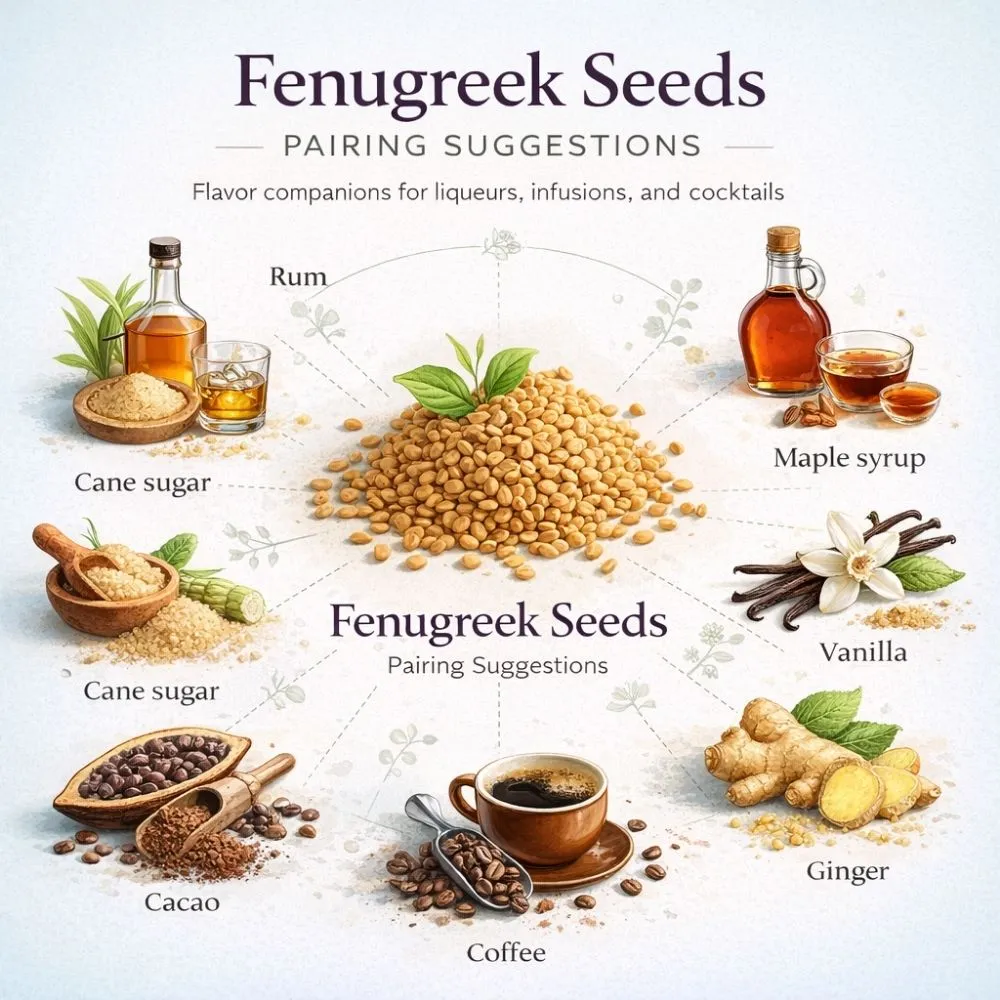
Fenugreek Seeds pairing suggestions for liqueur making

Fenugreek Seeds FAQ


Fenugreek is naturally bitter and maple-like, and it can swing savory if overdone. Use it as a micro-dose accent, ideally lightly toasted to bring out sweet maple/caramel notes. Keep seeds mostly whole and use ¼–½ tsp per liter at 40–50% ABV.

Timing is short: taste at 6–12 hours and strain within 12–48 hours for a gentle maple warmth. For control, make a fenugreek tincture and dose by drops into a finished liqueur. Fenugreek pairs best with cacao, coffee, vanilla, and rum/brandy bases.

Common mistakes include long steeps, crushing seeds, and pairing with delicate fruit where fenugreek bulldozes aroma. Flavor impact should be warm, slightly maple, not bitter. Store seeds airtight; old fenugreek tastes dusty and more bitter.

You can, but the effect is different. Maple syrup adds sweetness plus maple flavor but also adds water, which can lower ABV and stability if you add a lot. Maple extract is intense and can taste artificial if overused. Fenugreek gives a maple illusion with less sweetness and more spice depth.

If substituting, add maple syrup after straining and keep the dose modest, then adjust ABV if needed. If using maple extract, use tiny drops and taste constantly. A good middle path is caramelized sugar plus vanilla for depth, with no risk of savory notes.

Common mistakes include adding lots of syrup early and making the liqueur thin or unstable. Flavor impact should stay smooth. Store cold if you add substantial syrup/water.

Several factors influence how fenugreek seeds release their flavors during extraction. The size of the seeds can play a significant role; crushing or grinding them increases the surface area, allowing for better extraction of essential oils and flavors. This method can intensify the taste profile of your liqueur.

Temperature is another critical factor. Warmer temperatures can accelerate the extraction process, but caution is needed to avoid overheating, which can alter the flavor negatively. A controlled warm infusion often yields the best results without compromising the integrity of the seed's flavor.

Lastly, the duration of the extraction is vital. Shorter infusions may result in a milder flavor, while longer ones can produce a more pronounced taste. Balancing these factors will help you achieve the perfect infusion for your liqueur.

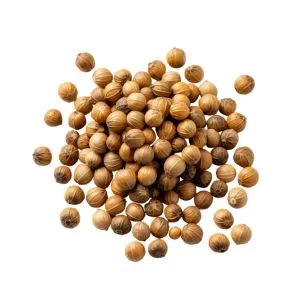
Yes, you can replace fenugreek seeds with ground coriander for a different flavor profile. Coriander offers a citrusy and slightly sweet taste that can complement your liqueur's other ingredients well.

Another viable alternative is to use a small amount of celery seeds. They have a unique flavor that can add an interesting twist while still providing some earthiness similar to fenugreek.

Lastly, if you have access to dried fenugreek leaves (kasuri methi), they can also serve as a substitute. While they are not seeds, they carry a similar flavor and can enhance your liqueur's complexity when used in moderation.

Fenugreek seeds contribute a warm, earthy aroma to liqueurs that can be quite inviting. Their scent is reminiscent of maple and caramel, which can create a comforting and rich olfactory experience.

In liqueur making, the aroma of fenugreek can complement other spices and botanicals, enhancing the overall scent profile. This aromatic quality can make the drink more appealing and intriguing to consumers.

Moreover, the aroma of fenugreek can evoke a sense of nostalgia, adding emotional depth to the tasting experience. This makes it a valuable ingredient for craft liqueurs aiming to create a memorable sensory journey.
Fenugreek Seeds
Fenugreek Seeds in Liqueur Crafting

More Seeds


LIQUEUR ALCHEMY TOOLS & RESOURCES


Design labels in minutes—beautiful, practical, and ready to print. Choose a tool below to generate bottle or ingredient labels that match your Liqueur Alchemy workflow.
Bottle Label Generator preview

Bottle Label Generator

Create clean bottle labels with your liqueur name, batch details, date — ready for printing and gifting.
Ingredient Label Generator preview

Ingredient Label Generator

Label jars, containers, and storage bags to maintain clear organization from preparation through infusion and serving.

Ingredient pairing cheat sheet for creating balanced homemade liqueurs

Ingredient Pairing Cheat Sheet

Discover flavor combinations that create balanced, complex, and unique homemade liqueurs.