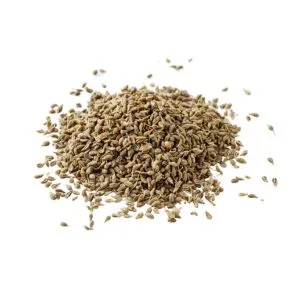
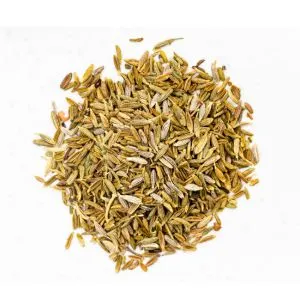
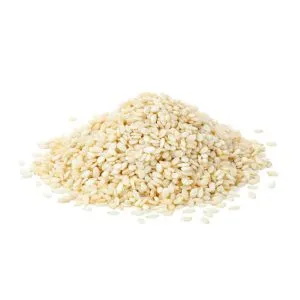
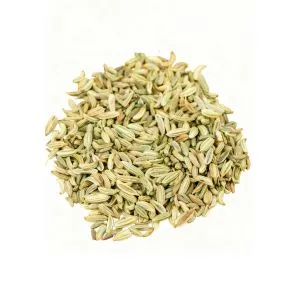
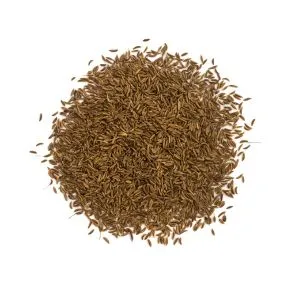
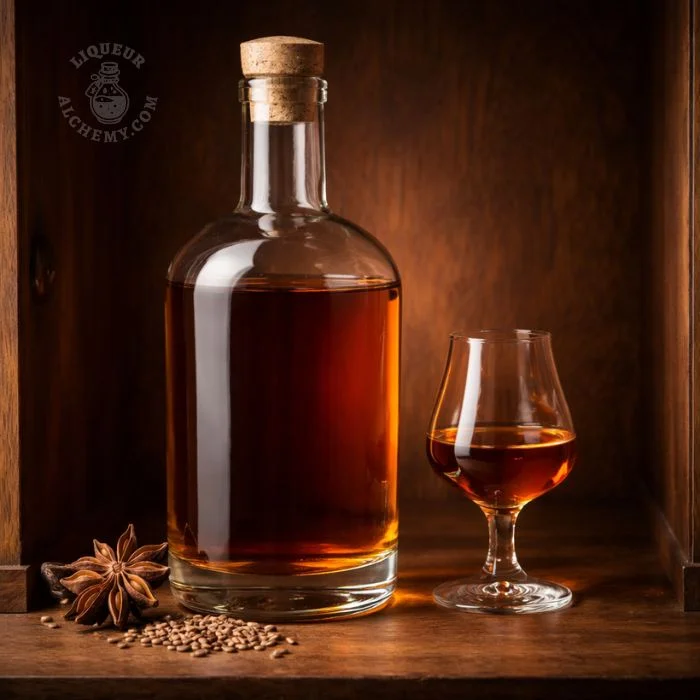
Anise Seeds

Anise Seeds for Liqueur Infusions – Flavor & Pairing Tips

Anise seeds contribute a clean, sweet licorice aroma that brings brightness and clarity to liqueurs. Their naturally sweet spice balances bitterness and enhances smoothness when infused gently. Anise pairs beautifully with citrus, berries, or other warm spices, creating harmonious, aromatic blends. Widely used in classic spirits, anise seeds give liqueurs a crisp, refreshing profile with a distinctive, lingering fragrance.

Anise Seeds

Home / Ingredients / Seeds / Anise Seeds

Anise Seeds Flavor Profile

Sweet licorice aroma, cool fennel-like sweetness, strong and lingering.

Anise Seeds Impact on Liqueurs

Creates classic anise-lift and a clean, cooling finish; can dominate, so use sparingly for balance.

How to Use Anise Seeds?

Use whole seeds, lightly bruised; 1–3 tsp per 1 L. Infuse 3–10 days in vodka; strain early if intense.

Anise Seeds Pairing Suggestions

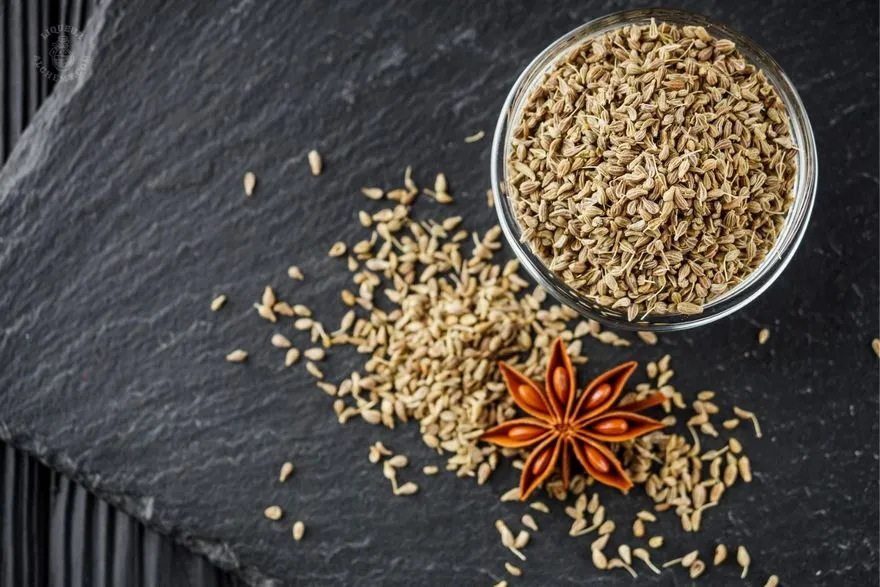
Vodka, Cane Sugar, Fennel, Cardamom, Cinnamon, Orange Peel, Honey, Mint
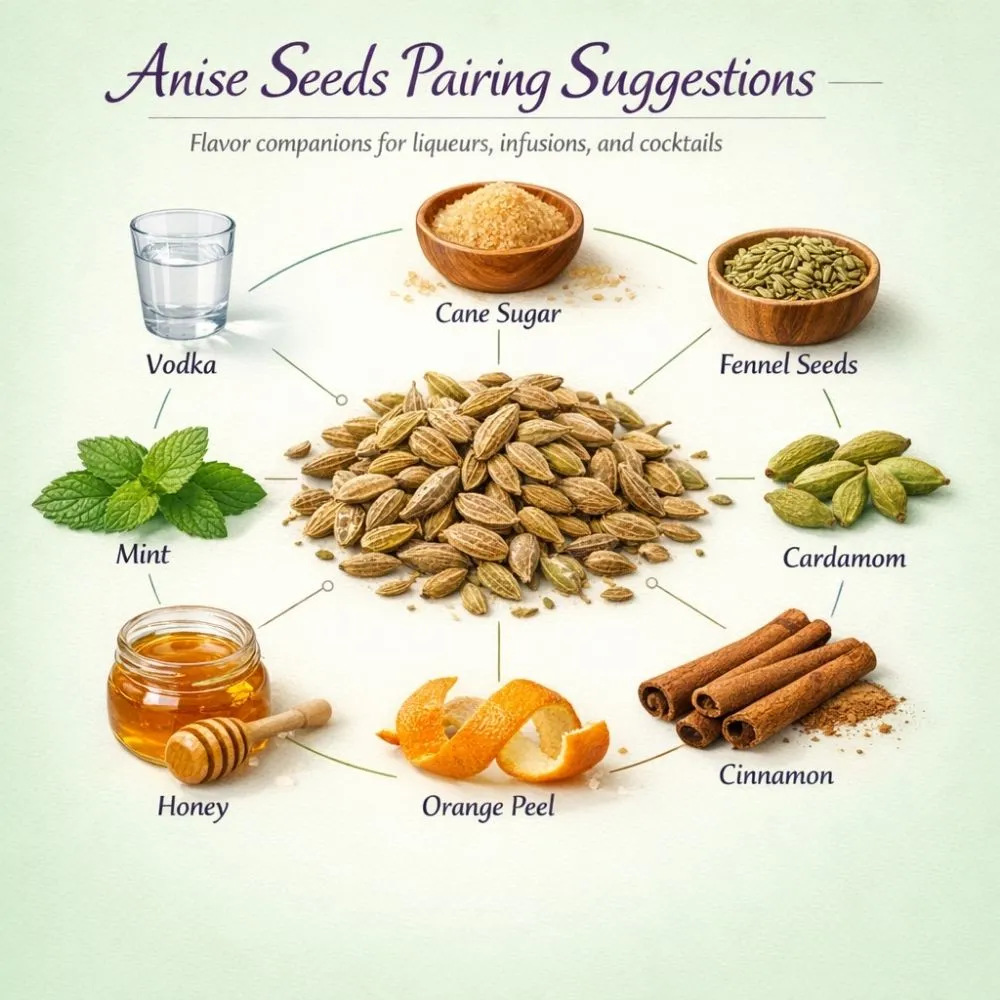
Anise Seeds pairing suggestions for liqueur making

Anise Seeds FAQ


Anise seed is powerful and can quickly dominate. Start with ½–1 tsp per liter (lightly crushed, not powdered) at 40–50% ABV. Taste at 6–12 hours; many anise infusions are ready within 12–48 hours.

If you want a classic anisette/pastis direction, build gradually: strain early, then increase with a tincture if needed. Remember that anise flavor blooms more after sweetening and resting, so aim slightly lighter at bottling.

Common mistakes are using ground anise (muddy), steeping for weeks, and combining with star anise plus fennel (triple-anise overload). Flavor impact should be sweet licorice and warm spice. Store seeds airtight; old anise tastes woody and dull.

All three read licorice-like, but they’re distinct. Anise seed is sweet and warm, star anise is sharper and more intense, and fennel is softer and greener. In blends, star anise dominates fast, so it’s usually used in smaller amounts than anise seed.

Extraction: all extract quickly; short steeping and early tasting are essential. For clean control, make separate tinctures and blend until the licorice note is balanced.

Common mistakes include using them all together at full dose, creating a “mouthwash” profile. Flavor impact should be aromatic and sweet-spiced. Store botanicals airtight; freshness affects aroma clarity.

Several factors influence the extraction of flavors from anise seeds, including the alcohol concentration used in the infusion. Higher alcohol content can enhance the extraction of essential oils, leading to a more robust flavor. Conversely, lower alcohol levels may result in a milder taste.

The size of the anise seeds also affects extraction efficiency. Crushing or grinding the seeds can increase the surface area, allowing for better interaction with the alcohol. This can expedite the extraction process and intensify the flavor profile of the liqueur.

Lastly, the duration of the infusion is critical. While a longer steeping time can yield a more pronounced flavor, it's essential to taste regularly to find the perfect balance. Over-extraction can lead to bitterness, so monitoring the infusion is key.

To avoid mistakes, measure carefully when adding anise seeds. Start with a conservative amount, as their strong flavor can dominate if overused. Gradually increase the quantity in future batches based on your taste preferences.

Ensure you toast the seeds lightly before use. This simple step can significantly enhance the flavor by releasing the aromatic oils. Be cautious not to burn them, as this can lead to bitterness.

Finally, pay attention to the steeping time. Allow the anise seeds to infuse for the recommended duration, usually several days, to ensure a well-rounded flavor. Regularly taste your mixture to find the perfect balance.

Preparing anise seeds for liqueur making involves toasting them lightly to enhance their flavor. Spread the seeds in a single layer on a dry skillet over medium heat, stirring frequently for about three to five minutes until fragrant.

After toasting, allow the seeds to cool before using them in your liqueur infusion. You can also grind the seeds into a powder for a more intense flavor, but be cautious as ground spices can lose potency quickly.

When incorporating anise seeds into your liqueur, consider the steeping time. A longer infusion will yield a stronger flavor, so adjust according to your taste preferences and desired outcome in your craft liqueur.
Anise Seeds
Anise Seeds in Liqueur Crafting

More Seeds


RELATED RECIPES OF LIQUEUR ALCHEMY


Explore more creations from Liqueur Alchemy that share similar flavours, techniques, or ingredients. These related recipes offer fresh ideas and inspired combinations to help you craft your next bold, homemade spirit.

LIQUEUR ALCHEMY TOOLS & RESOURCES


Design labels in minutes—beautiful, practical, and ready to print. Choose a tool below to generate bottle or ingredient labels that match your Liqueur Alchemy workflow.
Bottle Label Generator preview

Bottle Label Generator

Create clean bottle labels with your liqueur name, batch details, date — ready for printing and gifting.
Ingredient Label Generator preview

Ingredient Label Generator

Label jars, containers, and storage bags to maintain clear organization from preparation through infusion and serving.
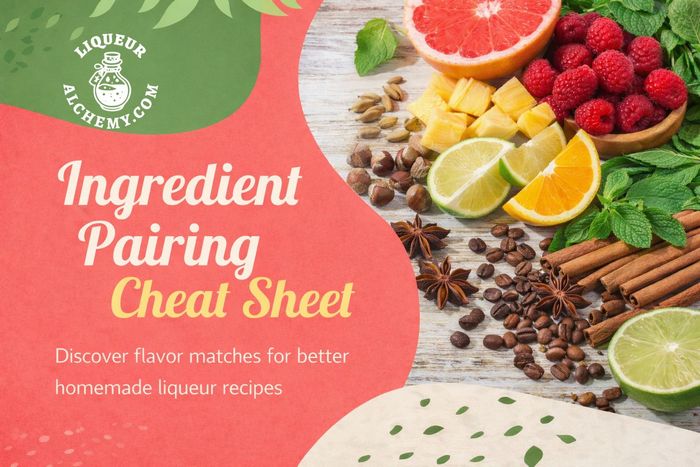
Ingredient pairing cheat sheet for creating balanced homemade liqueurs

Ingredient Pairing Cheat Sheet

Discover flavor combinations that create balanced, complex, and unique homemade liqueurs.