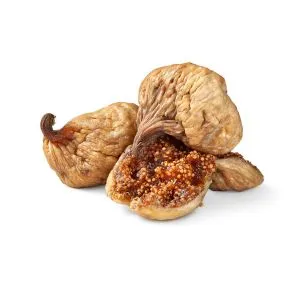
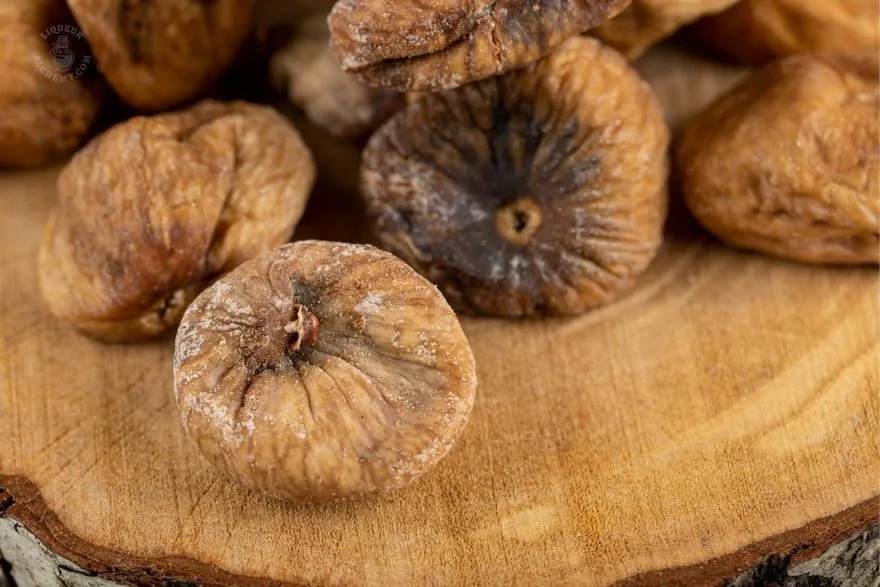
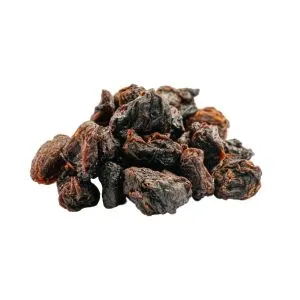
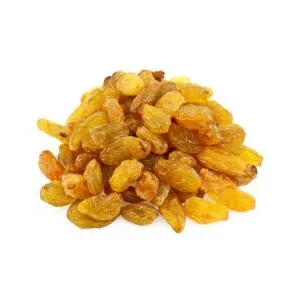
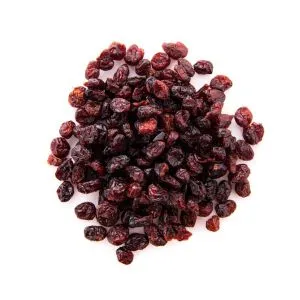
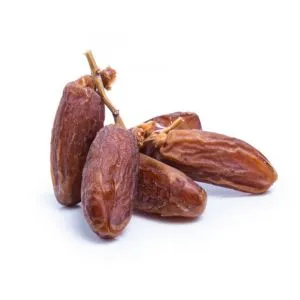
Fig (Dried)

Fig (Dried) for Liqueur Infusions – Flavor & Pairing Tips

Dried figs offer concentrated fruit sugars and a caramelised, almost toffee depth that enriches liqueurs with warmth and structure. Their dense sweetness builds body and smoothness, while subtle earthy notes add complexity. They infuse beautifully into brandy, rum, or spiced bases, pairing well with cinnamon, vanilla, coffee, and citrus zest. The result is a rich, comforting liqueur with a long, mellow finish.

Fig (Dried)

Home / Ingredients / Dried Fruits / Fig (Dried)

Fig (Dried) Flavor Profile

Concentrated fig sweetness, caramel notes, chewy dried-fruit richness.
Fig (Dried) Impact on Liqueurs

Adds dense sweetness and depth; excellent for winter or dessert-style liqueurs.

How to Use Fig (Dried)?

Chop dried figs; 250–400 g per 1 L. Infuse 4–8 weeks in brandy or rum.

Fig (Dried) Pairing Suggestions

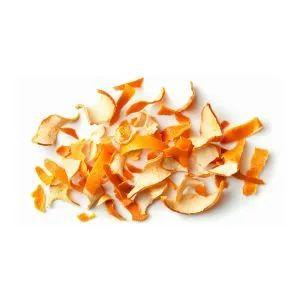
Rum, Brown Sugar, Orange Peel, Vanilla, Cinnamon, Walnut, Cacao, Honey
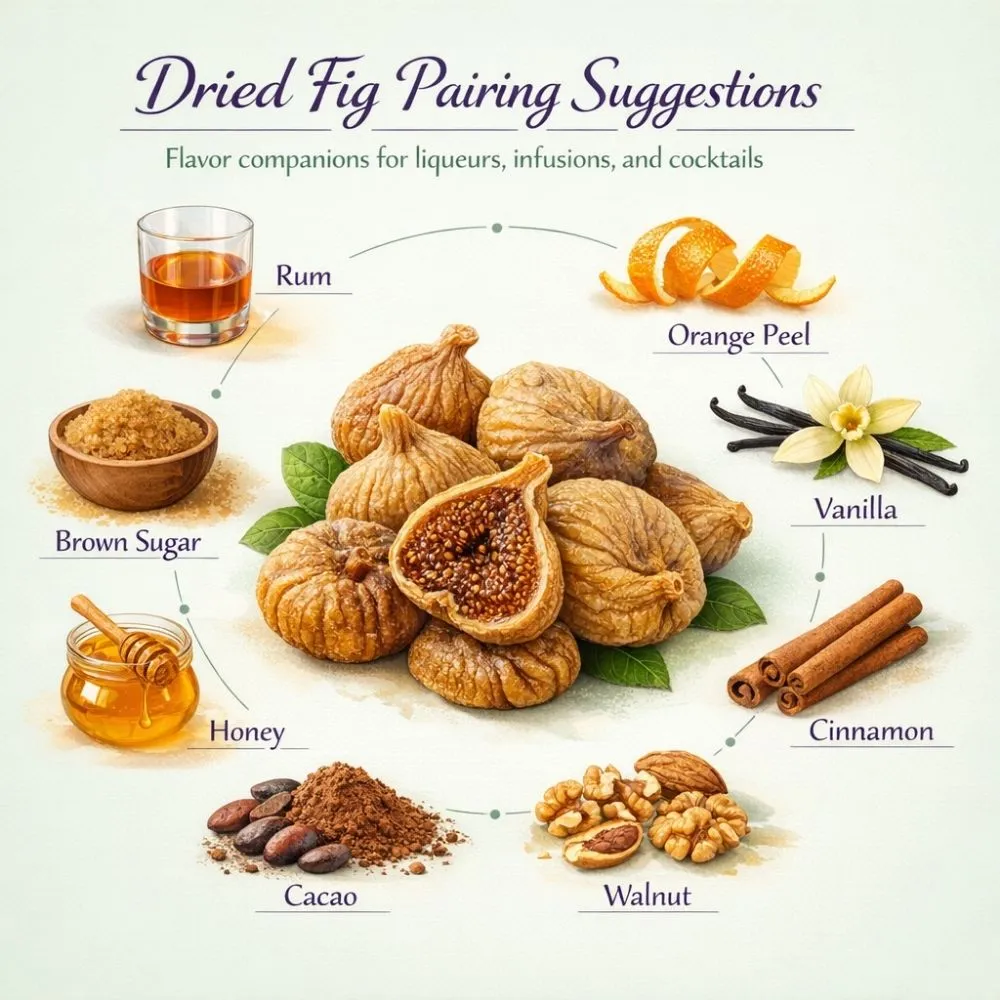
Fig (Dried) pairing suggestions for liqueur making

Fig (Dried) FAQ


Dried figs are often easier for liqueur because they bring concentrated sweetness and a richer, raisin-like depth with less messy pulp than fresh figs. They extract more slowly and steadily. Use 40–50% ABV and start with 150–300 g dried figs per liter.

Timing: taste at 1 week; many dried-fig infusions peak around 2–6 weeks depending on cut size. Chop or halve to speed extraction, but expect more sediment. Strain, cold-settle, then sweeten only if needed—dried figs can make the base surprisingly sweet.

Common mistakes include using stale figs, steeping warm, and over-spicing. Flavor impact is deep, honeyed dried fruit, great with brandy or rum. Store cool and dark; dried-fig profiles age well and round out over a month.

Often less than you think. Dried figs contribute a lot of sweetness and body, so always strain and taste before adding syrup. If it needs sweetness, add it in small steps—dried-fig liqueurs can become cloying quickly.

If you want more body without more sweetness, slightly increase ABV or use a richer syrup concentration and add less volume. A tiny pinch of salt can also sharpen perception and reduce the “flat sweet” feeling.

Common mistakes include adding a full syrup amount up front and losing fig complexity. Flavor impact should be deep fruit, not sugary candy. Store cool and dark; sweetness is stable, but aroma benefits from low oxygen and cooler temps.

Several factors can influence the extraction of flavors from dried figs when making liqueurs. The type of alcohol used plays a crucial role; higher-proof spirits tend to extract flavors more efficiently than lower-proof options. Additionally, the temperature during extraction can affect the solubility of the fig's compounds, with warmer temperatures generally enhancing the process.

The duration of soaking is also vital. While a minimum of two weeks is recommended, extending the soaking time can yield a more intense flavor profile. However, it's essential to monitor the infusion closely to avoid overpowering the liqueur with fig flavors.

Lastly, the quality and variety of dried figs can impact the final product. Some varieties may have stronger flavors or different sweetness levels, which can alter the overall taste of the liqueur. Experimenting with different types can lead to unique and delightful results.

View this Ingredient FAQ as a standalone page

Before using dried figs in liqueur making, it's essential to rehydrate them for better flavor and texture. Soaking them in warm water or alcohol for about 30 minutes will soften them, allowing their natural sweetness to infuse into your liqueur.

After soaking, chop the figs into smaller pieces to maximize their surface area. This ensures that the flavors are fully extracted during the infusion process. You can also blend them into a paste for a more concentrated flavor.

Always remember to strain the mixture after the infusion period to remove any solids. This will give your liqueur a smooth texture and enhance its overall quality.

Yes, you can replace dried figs with other sweeteners like honey or agave syrup. These natural sweeteners can add a different flavor profile while still providing the necessary sweetness for your liqueur. Use them sparingly, as they are liquid and can alter the overall consistency.

Maple syrup is another excellent alternative that brings a unique taste to your liqueur. Its rich, caramel-like flavor can complement various ingredients, but be cautious about the quantity to maintain balance in your recipe.

Lastly, consider using brown sugar as a substitute. It offers a similar sweetness and can enhance the depth of flavor in your liqueur. Dissolve it in a small amount of warm water before adding to ensure it mixes well with other ingredients.
Fig (Dried)
Fig (Dried) in Liqueur Crafting

More Dried Fruits


LIQUEUR ALCHEMY TOOLS & RESOURCES


Design labels in minutes—beautiful, practical, and ready to print. Choose a tool below to generate bottle or ingredient labels that match your Liqueur Alchemy workflow.
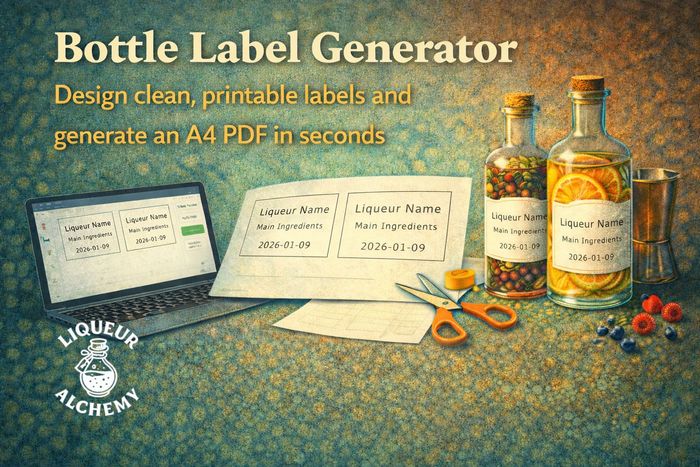
Bottle Label Generator preview

Bottle Label Generator

Create clean bottle labels with your liqueur name, batch details, date — ready for printing and gifting.
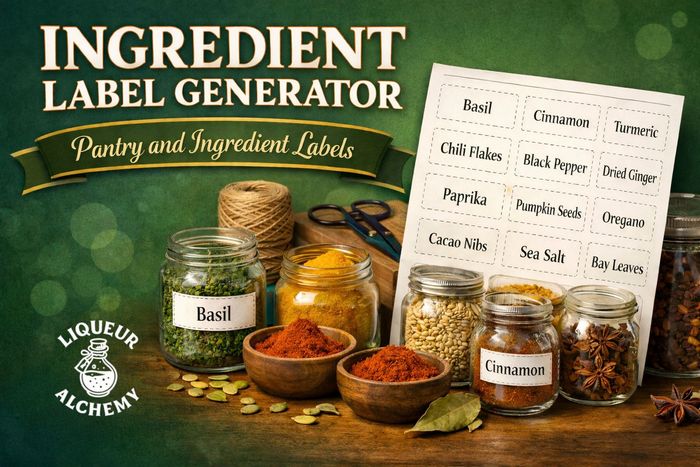
Ingredient Label Generator preview

Ingredient Label Generator

Label jars, containers, and storage bags to maintain clear organization from preparation through infusion and serving.

Ingredient pairing cheat sheet for creating balanced homemade liqueurs

Ingredient Pairing Cheat Sheet

Discover flavor combinations that create balanced, complex, and unique homemade liqueurs.