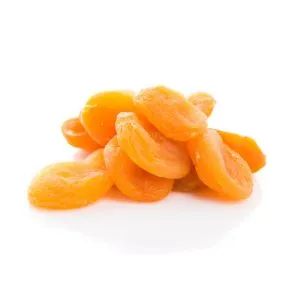
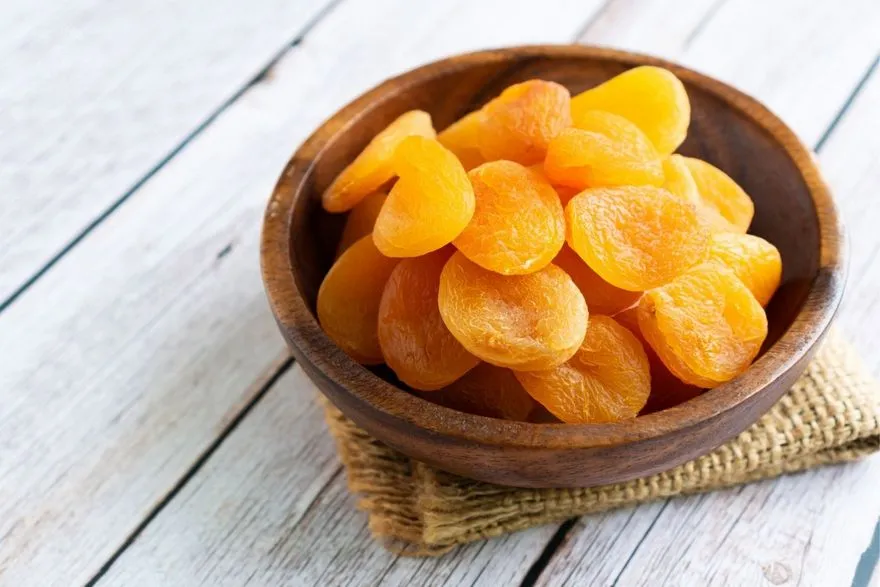
Apricots (Dried)

Apricots (Dried) for Liqueur Infusions – Flavor & Pairing Tips

Dried apricots lend a golden hue and gentle fruit sweetness to liqueurs. Their soft, sun-ripened flavor creates warmth and balance, smoothing stronger spirits and enhancing texture. When infused, they release delicate aromas reminiscent of honey and late summer fruit. Perfect with vanilla, citrus, or spice, dried apricots give liqueurs depth, harmony, and a naturally luxurious character.

Apricots (Dried)

Home / Ingredients / Dried Fruits / Apricots (Dried)

Apricots (Dried) Flavor Profile

Concentrated apricot, caramel-honey sweetness, chewy fruit depth with light tang.
Apricots (Dried) Impact on Liqueurs

Adds dense stone-fruit body and natural sweetness; perfect for richer, longer-aged liqueurs.

How to Use Apricots (Dried)?

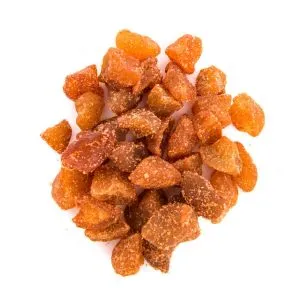
Chop dried apricots; 250–450 g per 1 L. Infuse 3–8 weeks in brandy or rum; strain and rest 2–4 weeks.

Apricots (Dried) Pairing Suggestions

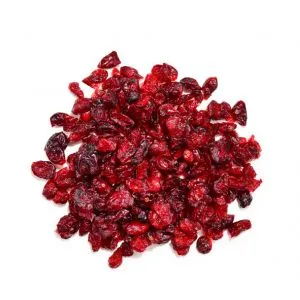
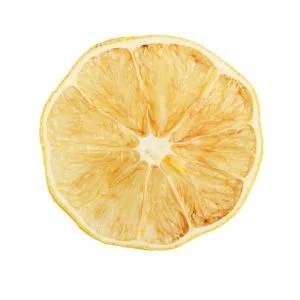
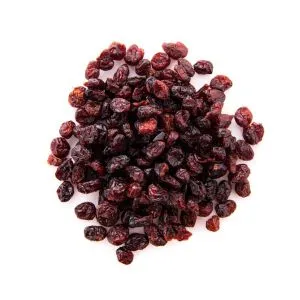
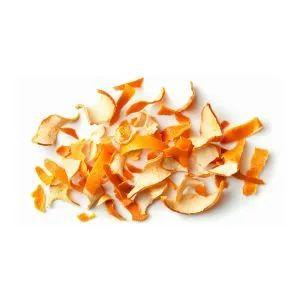
Brandy, Brown Sugar, Vanilla, Cinnamon, Almond, Orange Peel, Honey, Nutmeg
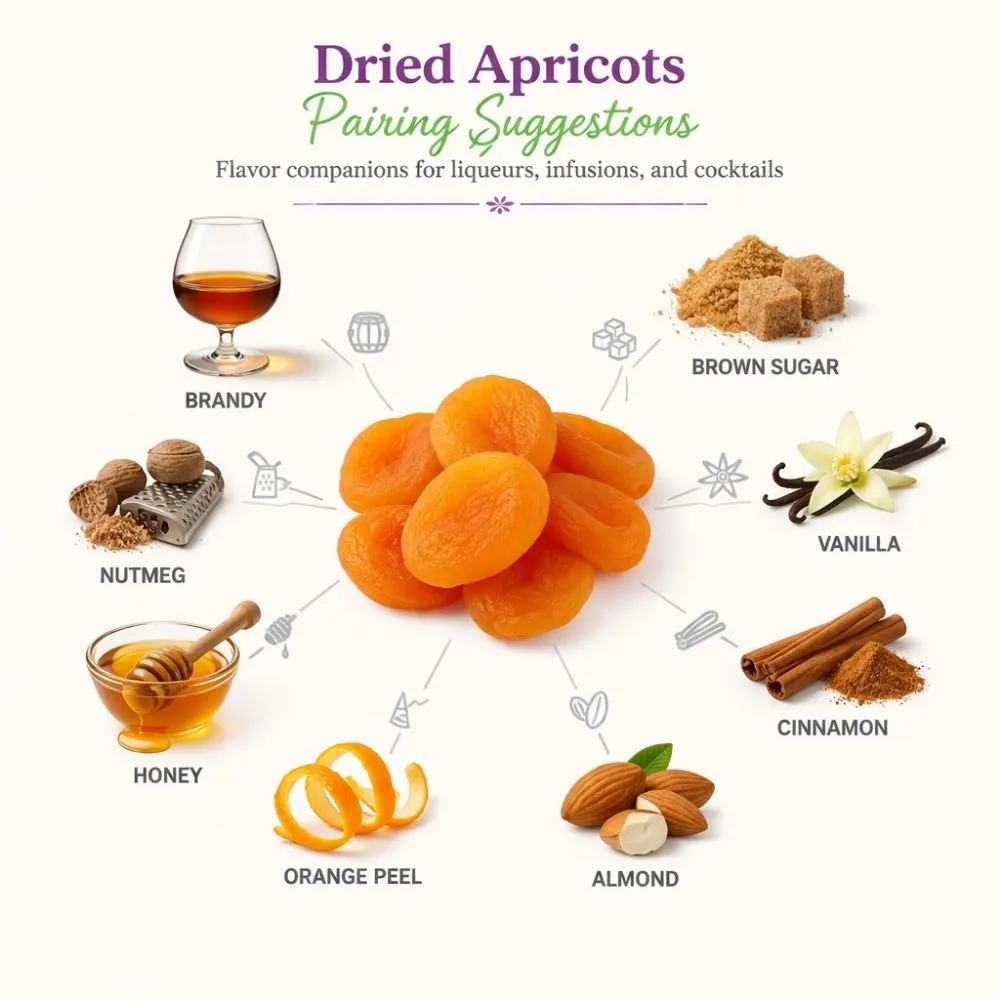
Apricots (Dried) pairing suggestions for liqueur making

Apricots (Dried) FAQ


Dried apricots are slow but rewarding—they build a deep, jammy apricot note with honeyed edges. Use 40–50% ABV and steep 14–30 days, tasting weekly. Slice or quarter the apricots to speed extraction, but don’t pulverize them; fine particles make filtration painful.

Dosage: 200–400 g dried apricots per liter depending on intensity and sugar level (many are sweetened). Start lower if you’re also using a sweet base spirit like brandy. Sweeten after straining; you often need less syrup than with fresh fruit because dried fruit contributes its own sweetness.

Common mistakes are leaving sulfur-treated apricots un-rinsed (can taste sharp), oversweetening, and adding heavy spices too early. Flavor impact pairs beautifully with vanilla, almond (very small), and orange peel. Store cool and dark; dried-fruit liqueurs age well and smooth out after 2–4 weeks of rest.

Vodka gives the cleanest apricot definition and keeps the liqueur bright. Brandy is a natural match: it adds baked fruit depth and makes the result feel like apricot “compote in a bottle.” Light rum adds a soft caramel note that complements dried apricot sweetness without going too heavy.

Extraction is similar across bases: 40–50% ABV, 14–30 days, taste weekly. With brandy or rum, be cautious with spices—vanilla is usually enough. Sweeten after straining and rest at least 2 weeks for integration.

Common mistakes include using very oaky spirits that mask apricot and adding almond extract (too strong) instead of a tiny almond-like accent (a few toasted almond slivers steeped briefly). Store cool and dark; apricot liqueurs improve with a little age.

Several factors influence the extraction of flavors from dried apricots during liqueur making. The temperature of the infusion is one key element; warmer temperatures can accelerate the extraction process, allowing the flavors to meld more quickly. However, excessive heat can also degrade delicate compounds, so moderate temperatures are recommended.

The size of the dried apricot pieces also plays a role in extraction efficiency. Cutting them into smaller pieces increases the surface area, promoting better interaction with the alcohol. This can lead to a more robust flavor extraction in a shorter time frame.

Lastly, the choice of alcohol is critical. Different spirits have varying extraction capabilities, with higher alcohol content generally yielding a more intense flavor profile. Experimenting with various types of spirits can help you discover the optimal combination for your desired liqueur.

The recommended dosage of dried apricots for liqueur making is about 100 to 200 grams per liter of base spirit. This amount strikes a balance between flavor intensity and sweetness. Adjust based on your personal taste preferences.

If you're experimenting with different recipes, start with the lower end of this range. You can always add more dried apricots later if you desire a stronger flavor. Keep in mind that the sweetness of the apricots will also affect the overall taste of your liqueur.

Always remember to document your measurements and adjustments. This practice will help you replicate successful batches in the future and refine your liqueur-making skills.

Using fresh apricots instead of dried ones in liqueur making is possible, but you'll need to adjust your recipe. Fresh apricots contain more water, which can dilute the overall flavor and alcohol content of your liqueur.

To substitute, consider using a higher quantity of fresh apricots to achieve the desired flavor intensity. A general rule is to use about three times the amount of fresh apricots compared to dried, as the drying process concentrates their sweetness and flavor.

Additionally, you may want to reduce any added liquids in your recipe to compensate for the moisture from fresh fruit. This way, you can maintain the balance of flavors while still enjoying the essence of apricots in your liqueur.
Apricots (Dried)
Apricots (Dried) in Liqueur Crafting

More Dried Fruits


LIQUEUR ALCHEMY TOOLS & RESOURCES


Design labels in minutes—beautiful, practical, and ready to print. Choose a tool below to generate bottle or ingredient labels that match your Liqueur Alchemy workflow.
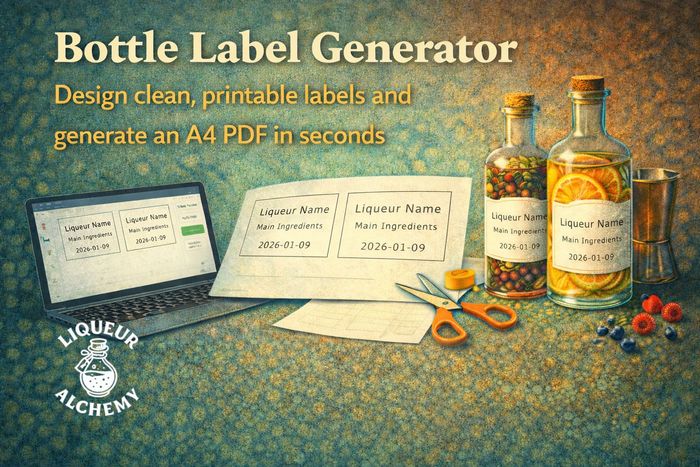
Bottle Label Generator preview

Bottle Label Generator

Create clean bottle labels with your liqueur name, batch details, date — ready for printing and gifting.
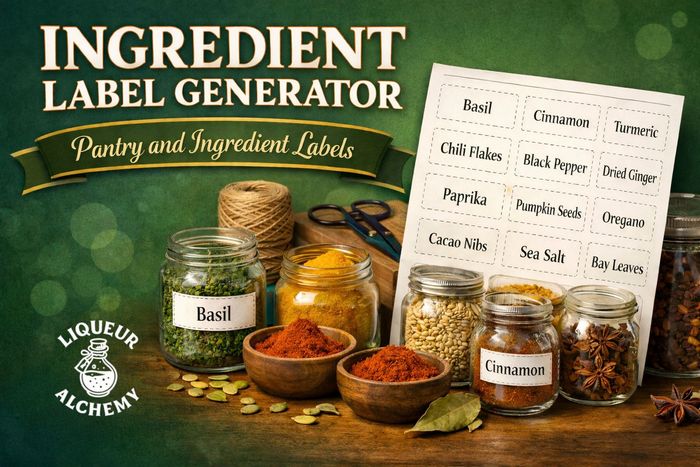
Ingredient Label Generator preview

Ingredient Label Generator

Label jars, containers, and storage bags to maintain clear organization from preparation through infusion and serving.
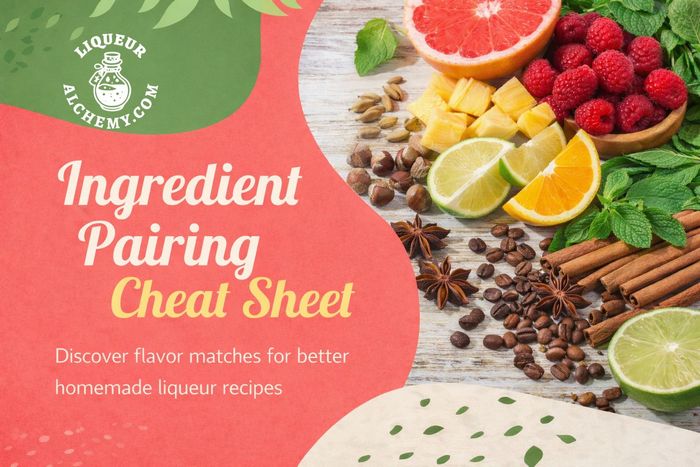
Ingredient pairing cheat sheet for creating balanced homemade liqueurs

Ingredient Pairing Cheat Sheet

Discover flavor combinations that create balanced, complex, and unique homemade liqueurs.