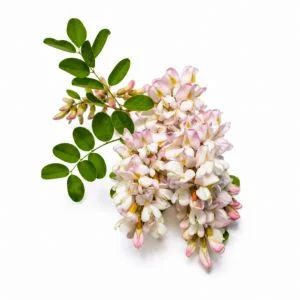
Dandelions

Dandelions for Floral, Honeyed and Herbal Liqueur Infusions

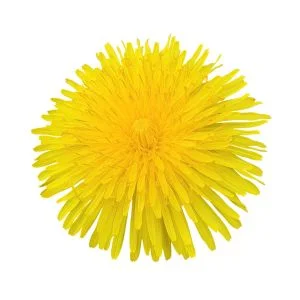
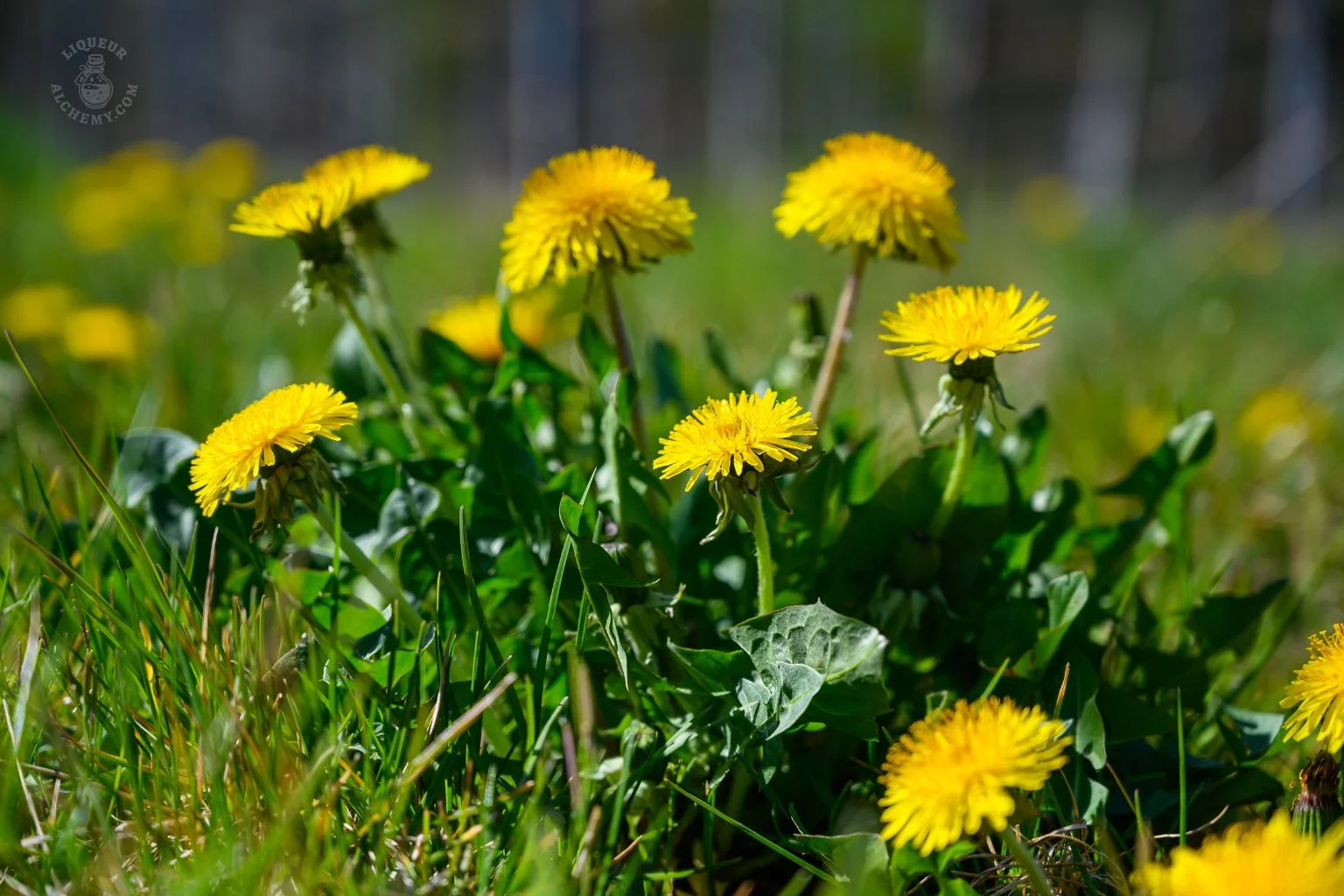
Dandelions bring a bright meadow-floral character to liqueurs, especially when only the yellow petals are used. They add soft honeyed aroma, gentle herbal bitterness, pollen-like warmth, and a lightly earthy spring freshness. In alcohol, dandelions need careful handling because green parts can turn harsh or grassy. Paired with honey, lemon, vanilla, ginger, or raisins, they create elegant floral liqueurs with depth, balance, and a natural countryside personality.

Dandelions

Home / Ingredients / Flowers / Dandelions

Dandelions Flavor Profile

Floral, honeyed, lightly herbal, meadow-like, gently bitter, earthy, pollen-warm, fresh and spring-like.
Dandelions Impact on Liqueurs

Dandelions give liqueurs a delicate floral lift, soft honey character, light herbal bitterness, and a golden meadow-style complexity. They work best as a subtle botanical accent rather than a heavy main flavor, helping sweet recipes feel more natural, aromatic, and layered.

How to Use Dandelions?

Use only fresh yellow petals and remove as much green material as possible to avoid bitterness. Pick flowers from clean, unsprayed areas on a dry sunny day. Infuse gently and taste often, as dandelion can become grassy if left too long. Combine with citrus, honey, vanilla, or ginger for balance.

Dandelions Pairing Suggestions

Vodka, Honey, White Sugar, Lemon, Vanilla, Ginger, Raisins, Orange, Chamomile, Elderflower
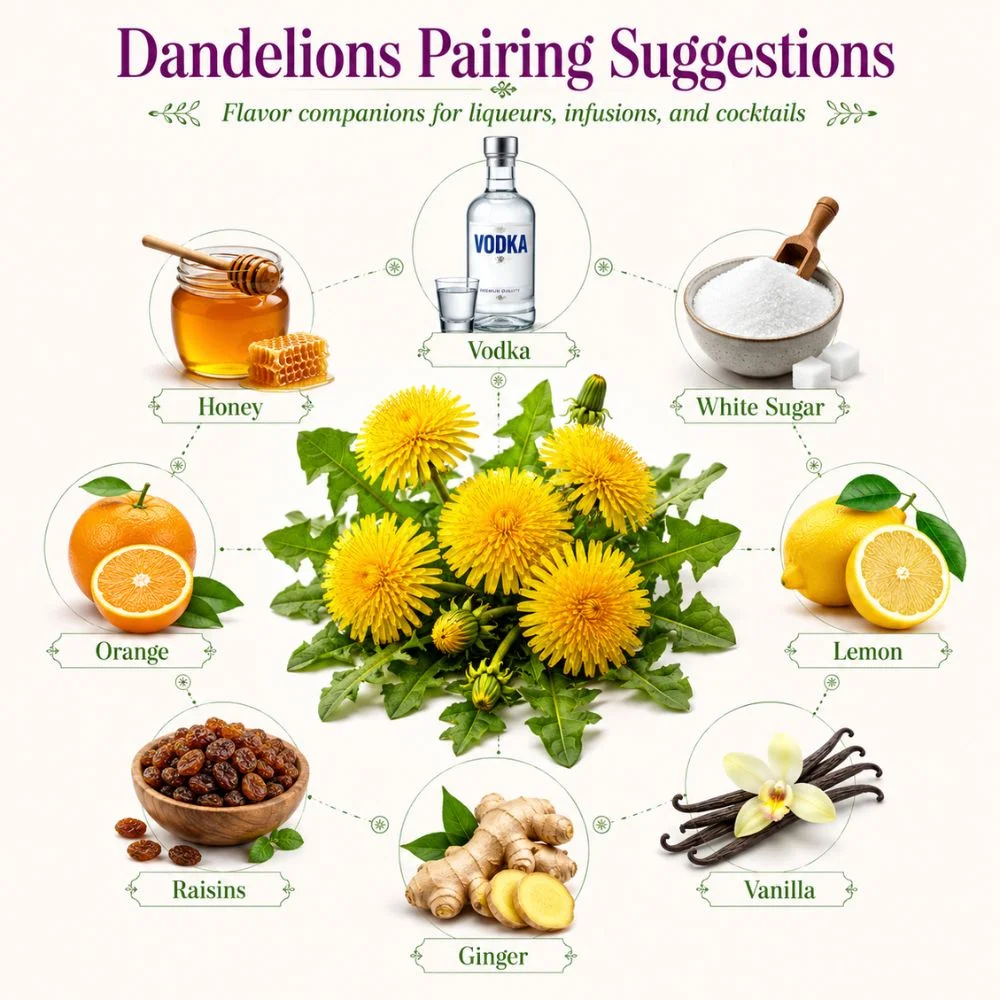
Dandelions pairing suggestions for liqueur making

Dandelions FAQ


Dandelions extract gently and quite differently from juicy fruits or strong spices. The yellow petals release light floral aroma, soft pollen notes, delicate honeyed warmth and a mild herbal edge. They do not usually create a powerful flavour quickly, so the infusion depends on freshness, clean petals and careful balance with sweetener and acidity.

In alcohol, the most useful flavour comes from the yellow petals rather than the whole flower head. Vodka, light rum or neutral spirit can capture their meadow-like character without covering it. A small amount of honey, white sugar, lemon zest, vanilla or ginger helps lift the floral notes and makes the dandelion flavour feel fuller and more rounded.

Because dandelions are subtle, longer extraction is not always better. Too much plant material or too much time can pull grassy, earthy or bitter flavours into the liqueur. For clean results, use fresh yellow petals, avoid green parts, taste regularly and strain once the infusion smells floral, warm and gently herbal.

Dandelions can be replaced with other edible flowers that bring soft floral, honeyed or meadow-like notes. Chamomile is one of the closest practical substitutes because it adds apple-like warmth, gentle herbal sweetness and a calming floral tone. Elderflower, calendula and linden blossom can also work well in light homemade liqueurs.

Each substitute changes the style of the infusion. Elderflower is brighter, more perfumed and slightly muscat-like. Chamomile is rounder, warmer and more herbal. Calendula is earthy and golden, while linden blossom gives a smooth honey-tea character. None will taste exactly like dandelion, but they can fill a similar gentle floral role.

When substituting, start with smaller amounts than you might use for fruit. Flowers can become soapy, bitter or dusty if overused. Pair the replacement flower with vodka, honey, lemon, vanilla or white sugar, then taste during maceration. The goal is a balanced floral lift, not a perfume-heavy or medicinal infusion. This keeps the infusion cleaner, easier to balance and more useful in delicate floral liqueur recipes.

Dandelions should usually be infused for a short to moderate time because their best flavour is delicate. Fresh yellow petals often give their floral, pollen-like and honeyed notes within several days. Very long maceration is not normally needed and can pull out grassy, earthy or bitter tones.

A practical range is often three to seven days for fresh petals in vodka or another clean spirit, depending on the amount used and the strength of the alcohol. Taste and smell the infusion daily after the first few days. When it smells like spring flowers, soft herbs and honeyed meadow notes, it is usually ready to strain.

If the recipe includes lemon zest, ginger, vanilla or raisins, consider how those ingredients extract too. Ginger and zest can become sharp, while vanilla and raisins can round the flavour over time. Strain the dandelions before harshness appears, then sweeten and rest the liqueur so the flavours can settle. This keeps the infusion cleaner, easier to balance and more useful in delicate floral liqueur recipes.

Dandelion liqueurs taste grassy when too much green plant material is included or when the petals are infused for too long. The yellow petals are the desirable part for soft floral flavour, while stems, leaves and green bases contribute stronger vegetal notes. Alcohol pulls these flavours out efficiently.

Grassy flavours can also come from old, damp or poorly handled flowers. Dandelions collected after rain, stored in a sealed bag for too long or picked from stressed plants may smell less floral and more green. Crushing or bruising the flower heads can make the problem worse by releasing harsher plant juices.

To avoid a grassy liqueur, collect clean flowers on a dry day, separate the yellow petals carefully and use a short maceration. Taste the infusion regularly and strain before the aroma turns vegetal. If the batch is already grassy, honey, lemon juice, vanilla or blending with a fruit liqueur may soften the rough edge. This keeps the infusion cleaner, easier to balance and more useful in delicate floral liqueur recipes.

Dandelions add a gentle meadow-floral flavour rather than a strong perfume. The yellow petals can suggest honey, pollen, soft herbs, dried hay, spring flowers and a faint earthy freshness. They are subtle, so their character is best noticed in clean spirits and simple recipes without overpowering spices.

In a liqueur, dandelions help create a countryside style that feels natural, golden and slightly herbal. Honey strengthens the nectar-like impression, lemon adds brightness, vanilla brings softness and ginger adds a warm lift. Raisins can provide body and a light dried-fruit depth without masking the flower.

The flavour impact is usually elegant and quiet, not bold or tropical. Dandelion works well when the goal is a delicate floral liqueur with warmth and balance. If used carefully, it can make vodka taste softer, sweeter and more aromatic while adding a spring-like identity that feels homemade and botanical. This keeps the infusion cleaner, easier to balance and more useful in delicate floral liqueur recipes.
Dandelions
Dandelions in Liqueur Crafting

More Flowers


LIQUEUR ALCHEMY TOOLS & RESOURCES


Design labels in minutes—beautiful, practical, and ready to print. Choose a tool below to generate bottle or ingredient labels that match your Liqueur Alchemy workflow.
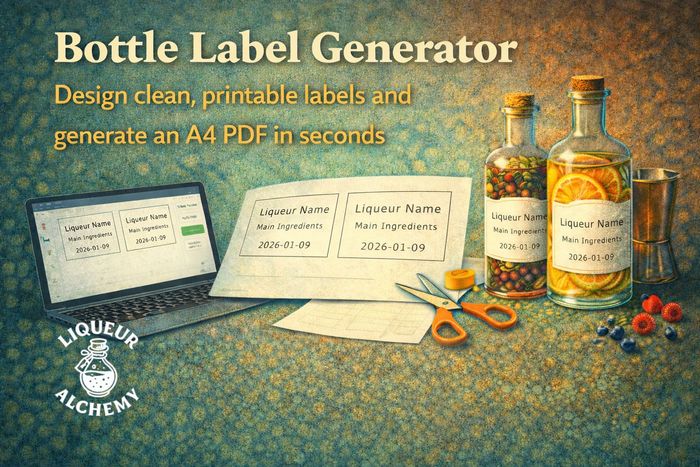
Bottle Label Generator preview

Bottle Label Generator

Create clean bottle labels with your liqueur name, batch details, date — ready for printing and gifting.
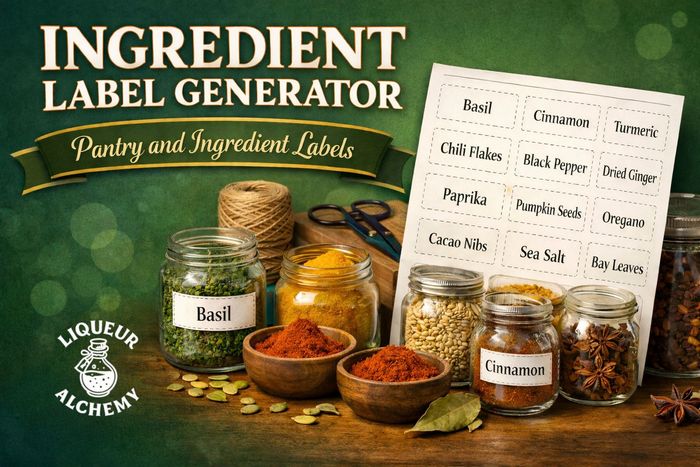
Ingredient Label Generator preview

Ingredient Label Generator

Label jars, containers, and storage bags to maintain clear organization from preparation through infusion and serving.

Ingredient pairing cheat sheet for creating balanced homemade liqueurs

Ingredient Pairing Cheat Sheet

Discover flavor combinations that create balanced, complex, and unique homemade liqueurs.