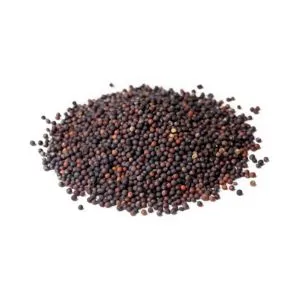
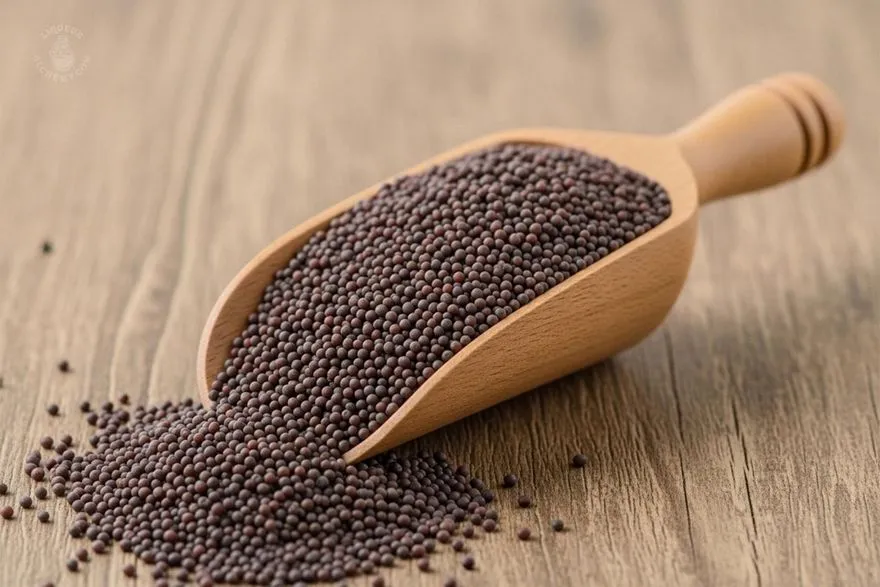
Black Mustard Seeds

Black Mustard Seeds for Liqueur Infusions – Flavor & Pairing Tips

Black mustard seeds bring a sharp, earthy pungency that adds lively heat and structure to liqueurs. When infused, they release aromatic oils that deepen complexity and introduce a warm, slightly peppery edge. Their bold character works well in spiced, savory, or herbal liqueurs, enhancing depth without overwhelming sweetness. Used sparingly, black mustard seeds add intrigue, warmth, and a distinctive aromatic lift to infusions.

Black Mustard Seeds

Home / Ingredients / Seeds / Black Mustard Seeds

Black Mustard Seeds Flavor Profile

Pungent, nutty-spicy seeds with horseradish-like heat when crushed; earthy bitterness.

Black Mustard Seeds Impact on Liqueurs

Adds savory heat and earthy structure; best as a tiny accent for unusual, culinary-style liqueurs.

How to Use Black Mustard Seeds?

Use whole seeds; 1/4–1 tsp per 1 L. Infuse 2–7 days in vodka; avoid crushing unless you want strong pungency.

Black Mustard Seeds Pairing Suggestions

Vodka, Cane Sugar, Garlic, Turmeric, Chili, Cumin, Ginger, Honey
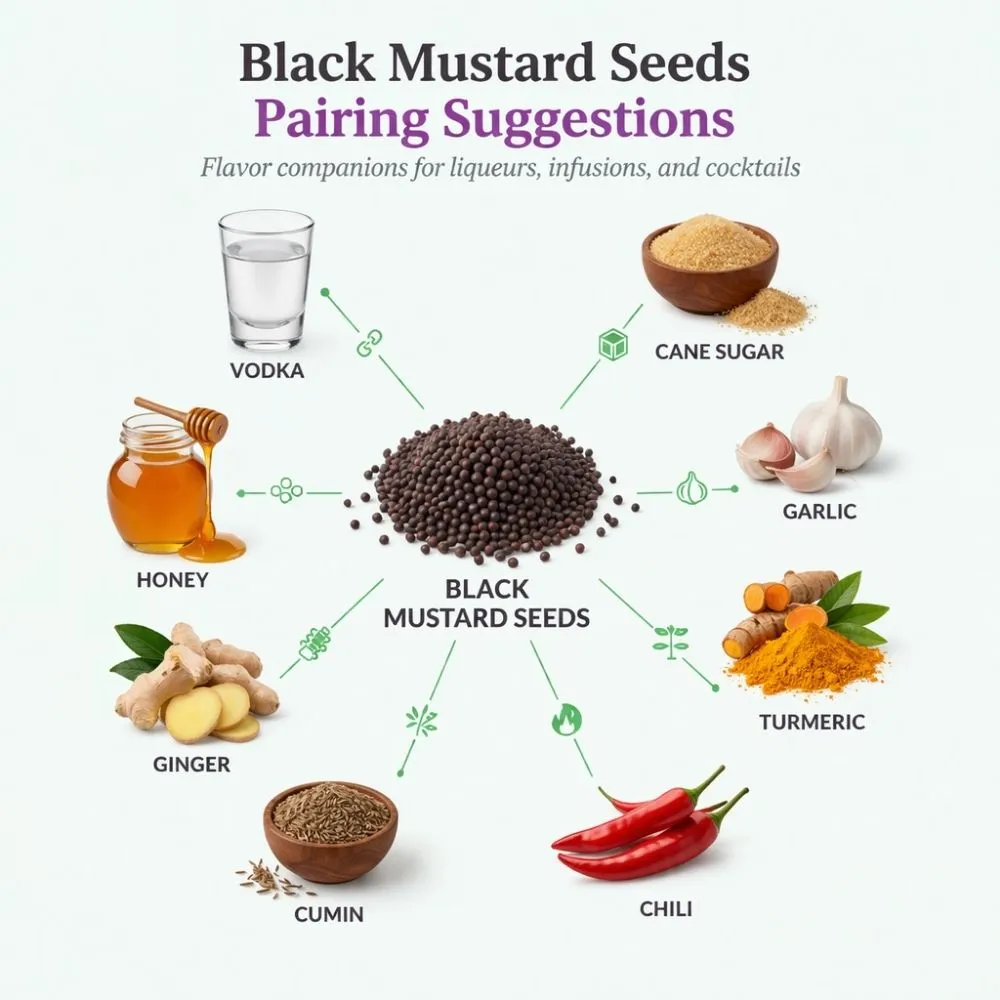
Black Mustard Seeds pairing suggestions for liqueur making

Black Mustard Seeds FAQ


Black mustard seed is very pungent and tends to read savory, so it’s only useful in tiny micro-doses—and usually for experimental, savory-leaning infusions rather than classic sweet liqueurs. Alcohol extraction can pull sharp, horseradish-like bite if seeds are crushed or heated.

If you want to try it, keep seeds whole and use extremely low dose: ¼ tsp (or less) per liter, steep 1–6 hours, tasting frequently, then strain immediately. For better control, make a mustard tincture in high proof and dose by drops into a finished liqueur.

Common mistakes include crushing seeds, steeping overnight, and pairing with delicate fruits. Flavor impact is spicy, mustardy heat that can clash with sweetness; it can work with savory botanicals or in cocktail bitters-style projects. Store seeds airtight; stale mustard tastes flat but still harsh.

If your goal is warmth, there are safer tools than mustard. White peppercorns give clean tingling heat, ginger adds bright warmth, and chili tinctures offer precise heat control. These options integrate with sweetness better and don’t read as savory condiments.

Use the same control strategy: steep briefly, taste often, and consider tinctures for repeatable dosing. Add warmth after the main infusion is strained and roughly sweetened so you can judge the final balance accurately.

Common mistakes are adding heat sources early and leaving them too long. Flavor impact should be gentle warmth and a longer finish. Store tinctures dark and cool; they’re stable and make future batches consistent.

Several factors influence the extraction of flavors from black mustard seeds, including the type of alcohol used and the size of the seeds. Higher proof spirits are generally more effective at extracting oils and flavors, while finely ground seeds may release their compounds more quickly than whole seeds.

Soaking time is another critical factor; shorter infusions may yield milder flavors, while longer ones can result in a more intense taste. However, be cautious, as over-extraction can lead to undesirable bitterness. Testing different infusion durations can help you find the right balance for your liqueur.

Lastly, the temperature of the extraction process plays a significant role. Warmer temperatures can accelerate extraction but may also alter the flavor profile. Experimenting with different temperatures and soak times will help you achieve the perfect infusion for your craft liqueur.

The recommended dosage of black mustard seeds for liqueur making is typically around one to two teaspoons per quart of base spirit. This amount strikes a balance, providing enough flavor without overwhelming the other ingredients.

If you prefer a stronger mustard flavor, you can gradually increase the quantity, but be cautious. Too much can lead to a bitter taste, which may not be desirable in your final product. Start with less and adjust according to your taste preferences.

Always remember to keep track of the amount used, as consistency is key in crafting liqueurs. This way, you can replicate your successful batches in the future.

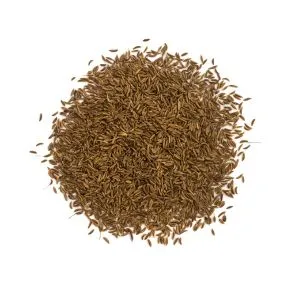
Yes, if you're looking for alternatives to black mustard seeds, you might consider using cumin seeds. Cumin has a warm, earthy flavor that can add depth to your liqueur. Use it in moderation, as its flavor is quite distinct.

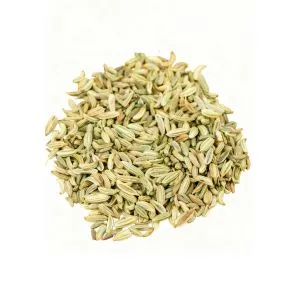
Another alternative is fennel seeds, which offer a sweet, anise-like flavor that can complement many liqueur recipes. Fennel can provide a unique twist, especially in herbal or fruity liqueurs, enhancing the overall profile.

Lastly, caraway seeds can also work as a substitute. They have a slightly nutty and peppery taste that can add an interesting dimension to your liqueur. As with any substitute, start with a small amount and adjust according to your taste preferences.
Black Mustard Seeds
Black Mustard Seeds in Liqueur Crafting

More Seeds


LIQUEUR ALCHEMY TOOLS & RESOURCES


Design labels in minutes—beautiful, practical, and ready to print. Choose a tool below to generate bottle or ingredient labels that match your Liqueur Alchemy workflow.
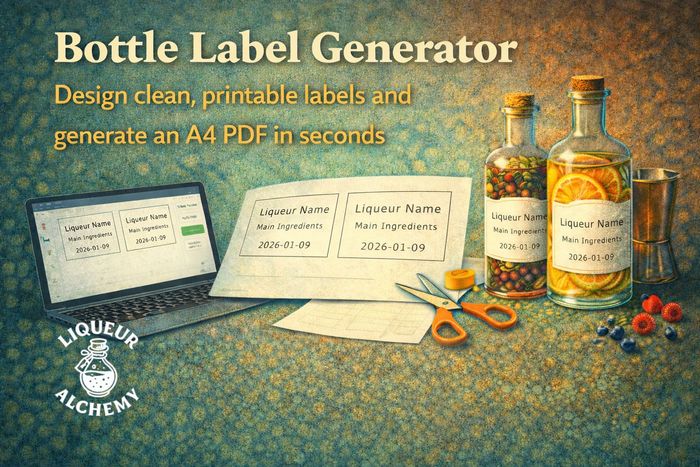
Bottle Label Generator preview

Bottle Label Generator

Create clean bottle labels with your liqueur name, batch details, date — ready for printing and gifting.
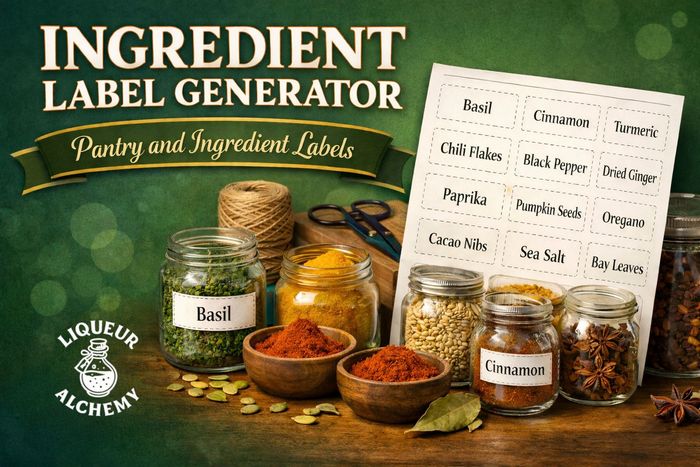
Ingredient Label Generator preview

Ingredient Label Generator

Label jars, containers, and storage bags to maintain clear organization from preparation through infusion and serving.
Ingredient pairing cheat sheet for creating balanced homemade liqueurs

Ingredient Pairing Cheat Sheet

Discover flavor combinations that create balanced, complex, and unique homemade liqueurs.