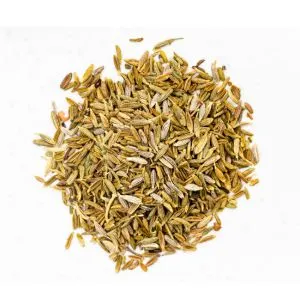
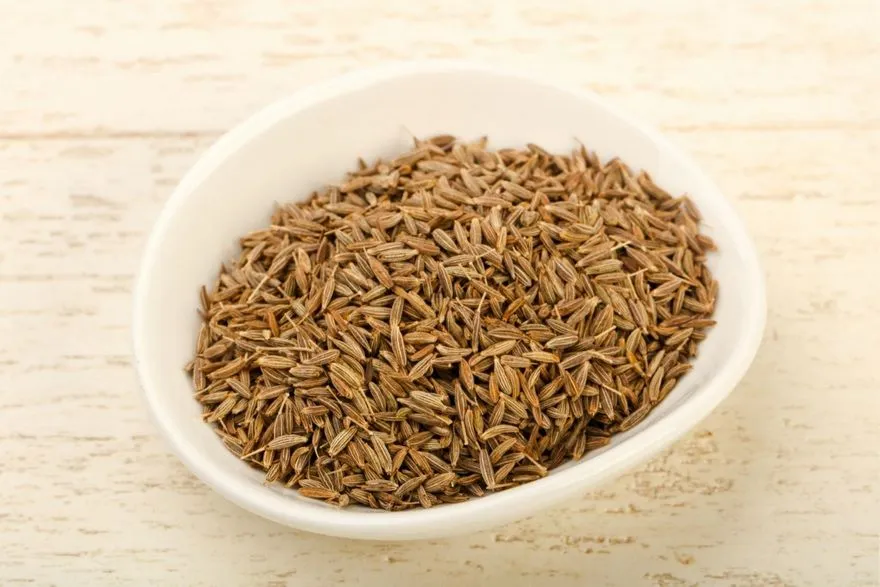
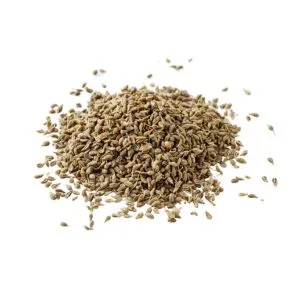
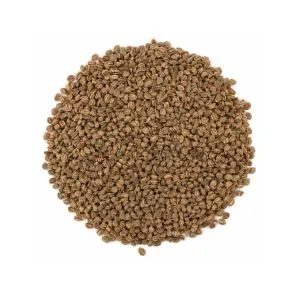
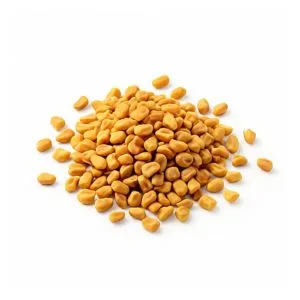
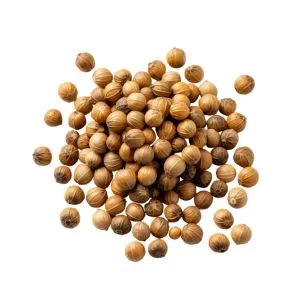
Cumin Seeds

Cumin Seeds for Liqueur Infusions – Flavor & Pairing Tips

Cumin seeds bring a warm, earthy aroma with gentle bitterness and savory spice notes. Used carefully, they add intriguing depth and structure to liqueurs without dominating sweetness. Their aromatic oils infuse slowly, creating a rounded, warming backbone that works well in experimental, spiced, or herbal blends. Cumin pairs beautifully with citrus, ginger, or chili, adding originality and subtle heat to adventurous liqueurs.

Cumin Seeds

Home / Ingredients / Seeds / Cumin Seeds

Cumin Seeds Flavor Profile

Warm earthy spice with smoky bitterness and savory depth.

Cumin Seeds Impact on Liqueurs

Adds grounding warmth and exotic savory notes; best used sparingly.

How to Use Cumin Seeds?

Use whole seeds, lightly toasted; 0.5–1 tsp per 1 L. Infuse 3–7 days in vodka or rum.

Cumin Seeds Pairing Suggestions

Vodka, Cane Sugar, Coriander, Lemon, Honey, Chili, Ginger, Garlic
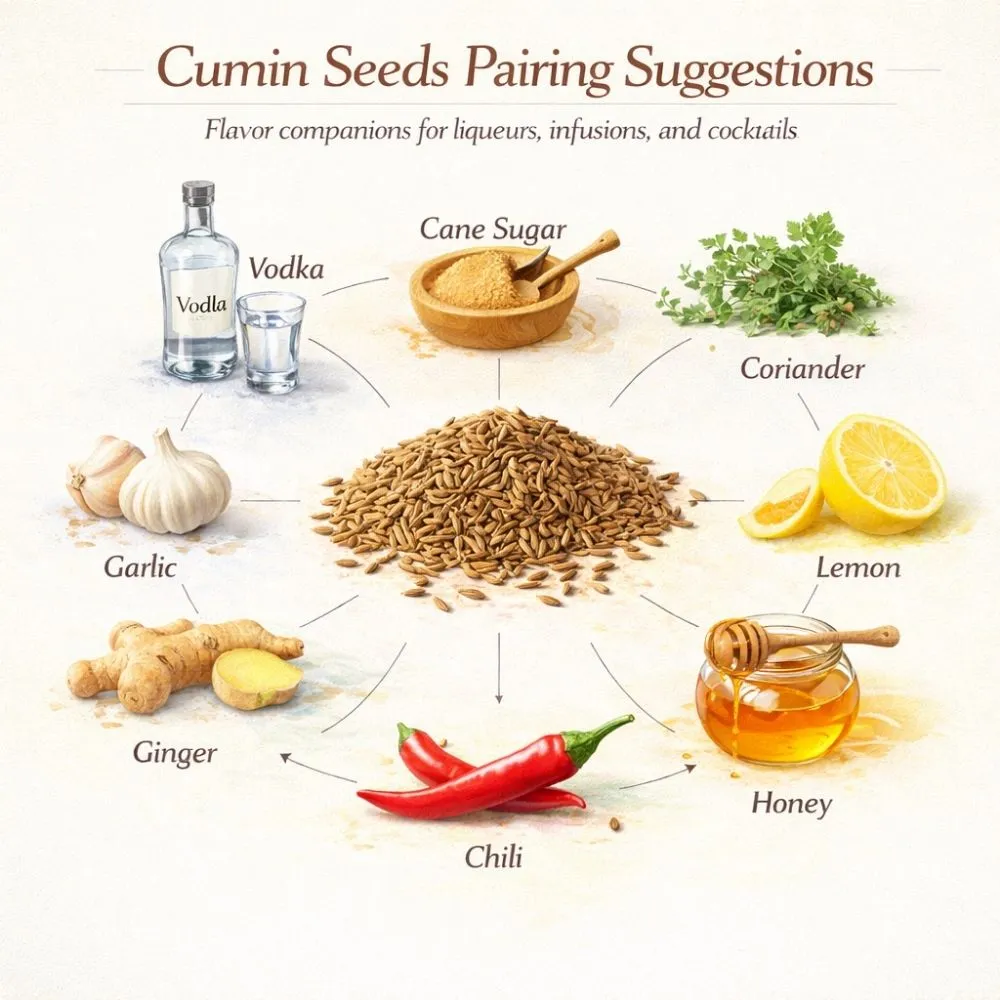
Cumin Seeds pairing suggestions for liqueur making

Cumin Seeds FAQ


Cumin is strongly savory and can easily overpower sweetness, so it’s only useful in tiny, experimental doses. If you want cumin in a liqueur, treat it like a bittering botanical: lightly toast for aroma, keep seeds whole, and infuse briefly.

Start with ¼ tsp per liter at 40–50% ABV and taste at 1–2 hours, then every few hours. Many batches should be strained within 4–12 hours. For control, make a cumin tincture and dose by drops into a finished blend.

Common mistakes include using too much, crushing seeds, and steeping overnight. Flavor impact should be a warm earthy note behind citrus or tropical fruit, not “curry drink.” Store seeds airtight; old cumin tastes dusty and harsher.

Cumin pairs best with profiles that already tolerate savory warmth: citrus-forward blends (lime/orange), mango or pineapple with chili, and smoky elements like black lemon. Use it as a background spice and keep sweetness moderate so it doesn’t taste like candy-curry.

Build the main fruit infusion first, strain, then add cumin in a bag for a short finishing infusion (hours). Taste frequently and remove early. Alternatively dose a tincture drop-by-drop.

Common mistakes include adding cumin with heavy warm spices like clove/cinnamon and leaving it too long. Flavor impact should be intriguing and subtle. Store cool and dark; cumin-forward notes can feel stronger after resting.

Several factors influence the extraction of flavors from cumin seeds when making liqueur. The type of alcohol used plays a significant role, as higher-proof spirits tend to extract flavors more efficiently than lower-proof options. Additionally, the temperature of the alcohol can affect the solubility of the flavor compounds, with warmer temperatures generally enhancing extraction.

The size of the cumin seeds also impacts extraction. Whole seeds may require longer steeping times compared to crushed seeds, which release their oils more readily. It's essential to consider the balance of flavors desired in the final liqueur, as this will guide the choice between whole and crushed seeds.

Lastly, the duration of the steeping process is crucial. A longer steeping time can yield a more intense flavor, but caution is needed to avoid overpowering the liqueur. Regular tasting during this period helps achieve the perfect flavor profile, ensuring a well-rounded final product.

Yes, there are several common kitchen spices that can replace cumin seeds. One of the most accessible options is paprika, which adds a mild sweetness and color to your liqueur without overpowering other flavors.

Another suitable substitute is smoked paprika, which brings a smoky depth that can enhance the overall profile of your liqueur. Use it sparingly to avoid overwhelming the other ingredients.

Lastly, consider using a blend of ground spices like taco seasoning, which often contains cumin along with other spices. This can provide a well-rounded flavor, but be cautious about the additional salt and spices in the blend.

Cumin seeds should ideally be added during the maceration phase of liqueur making. This is when the base spirit is combined with the seeds to extract their flavors and aromas.

For best results, add the cumin seeds after the initial infusion of other botanicals has begun. This timing allows the cumin to complement rather than dominate the flavor profile of the liqueur.

Allow the cumin seeds to steep for at least 48 hours, but no more than a week, to prevent bitterness. Regularly taste the mixture to ensure the flavor develops to your liking.
Cumin Seeds
Cumin Seeds in Liqueur Crafting

More Seeds


LIQUEUR ALCHEMY TOOLS & RESOURCES


Design labels in minutes—beautiful, practical, and ready to print. Choose a tool below to generate bottle or ingredient labels that match your Liqueur Alchemy workflow.
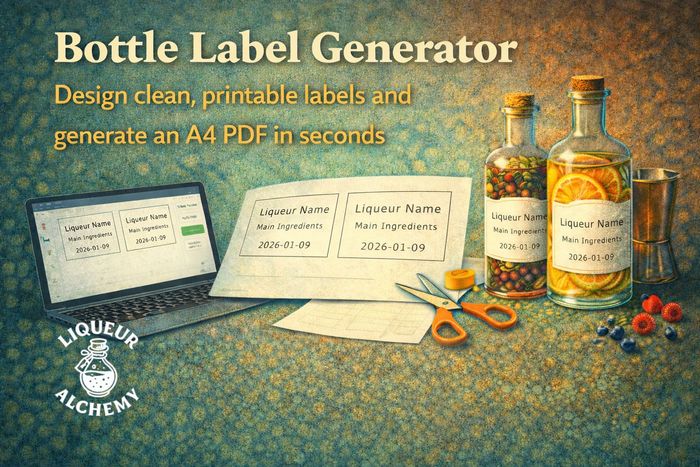
Bottle Label Generator preview

Bottle Label Generator

Create clean bottle labels with your liqueur name, batch details, date — ready for printing and gifting.
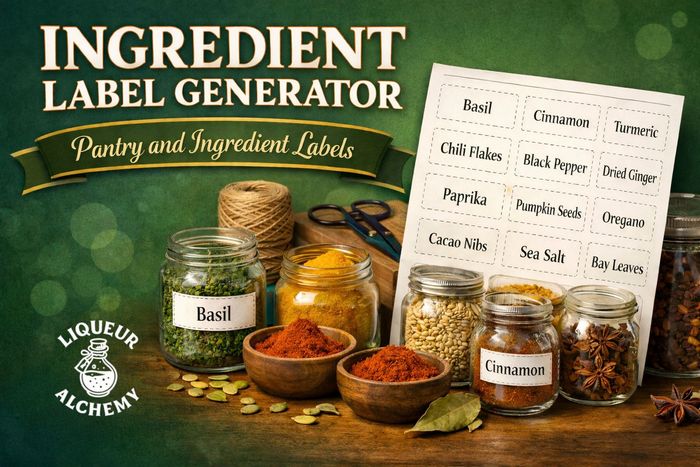
Ingredient Label Generator preview

Ingredient Label Generator

Label jars, containers, and storage bags to maintain clear organization from preparation through infusion and serving.

Ingredient pairing cheat sheet for creating balanced homemade liqueurs

Ingredient Pairing Cheat Sheet

Discover flavor combinations that create balanced, complex, and unique homemade liqueurs.