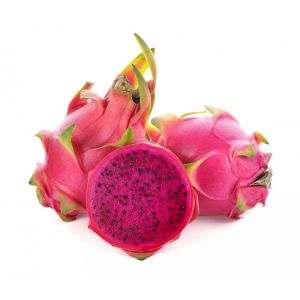
Dragon Fruit (Red)

Red Dragon Fruit for Liqueur Making: Colour, Flavour & Pairings

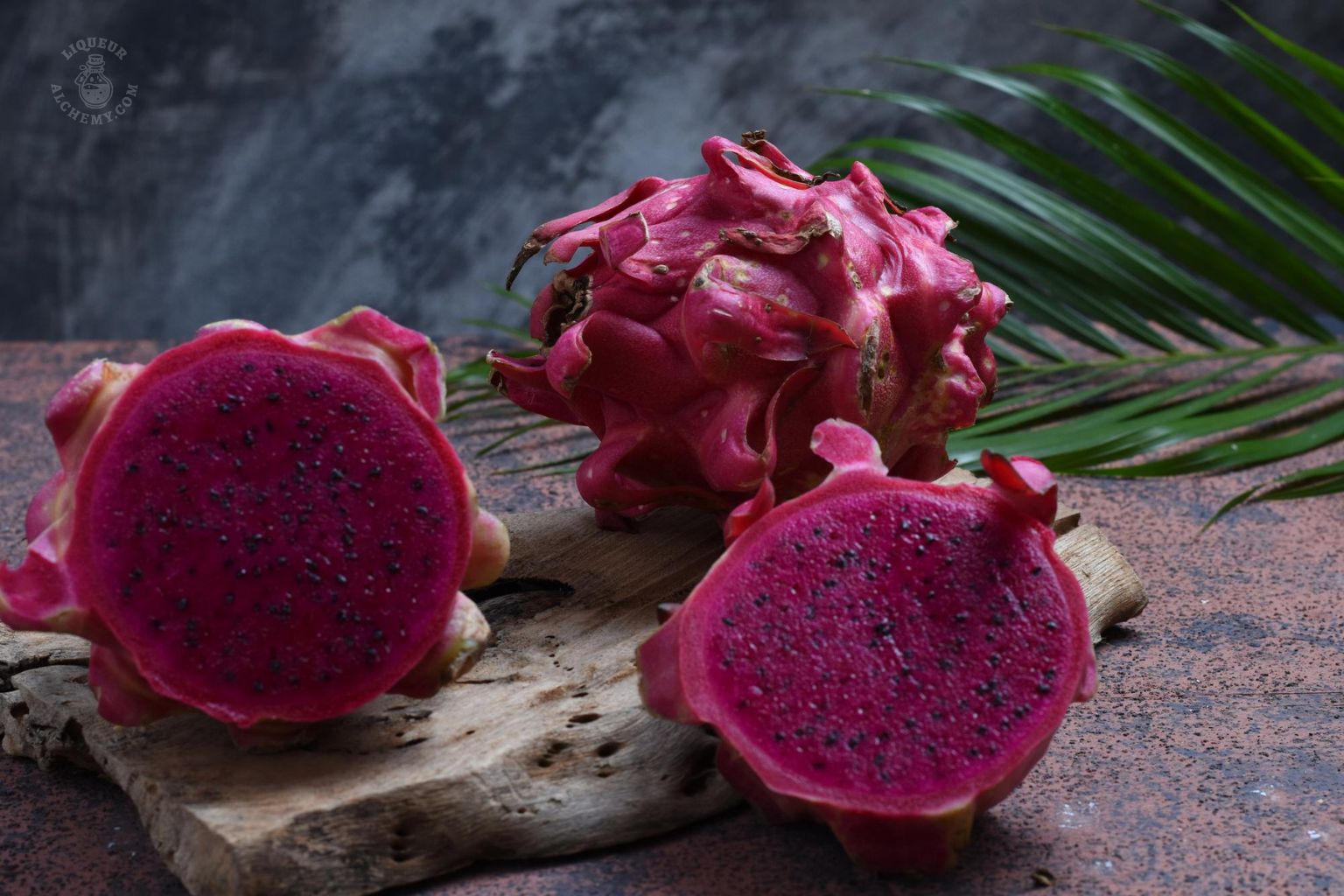
Red dragon fruit brings vivid ruby colour, gentle melon-like sweetness, mild earthiness, and a soft watery body to homemade liqueurs. It does not dominate, so it works best beside brighter partners such as lime, pineapple, hibiscus, ginger, or berry fruits. In infusion, it contributes visual appeal more than deep intensity, helping create striking bottles with a fresh tropical feel. Its subtle flavour rounds sharper citrus edges and supports lighter spirits without making the final drink feel heavy

Dragon Fruit (Red)

Home / Ingredients / Fruits / Dragon Fruit (Red)

Dragon Fruit (Red) Flavor Profile

Mildly sweet, juicy, melon-like, lightly earthy, fresh, delicate, and visually vibrant with subtle tropical character.

Dragon Fruit (Red) Impact on Liqueurs

Adds strong natural ruby-pink colour, light body, gentle sweetness, and a soft tropical base without overpowering supporting ingredients.

How to Use Dragon Fruit (Red)?

Use generous quantities for better flavour presence, as red dragon fruit is visually strong but taste-wise subtle. Pair with citrus, berries, florals, or gentle spice to build complexity. Best with clean spirits such as vodka, rice spirit, or light rum. Avoid long steeping with bitter citrus pith. Strain carefully, as the fruit breaks down easily and can cloud the liqueur.

Dragon Fruit (Red) Pairing Suggestions

vodka, rice spirit, white rum, cane sugar, honey, key lime, lime, pineapple, hibiscus, ginger
Dragon Fruit (Red) FAQ


Red dragon fruit behaves as a delicate, high-moisture fruit during alcohol extraction. In liqueur making, it releases vivid red-magenta pigment quickly, especially when the flesh is fully ripe, but its aroma and flavor transfer more gently than many darker berries or stone fruits. This means the fruit often gives visual impact early in the process while the actual taste remains soft, fresh, and lightly tropical.

Because the fruit contains a lot of water, it can slightly soften the strength and structure of the infusion if used in large amounts. A neutral spirit such as vodka is usually the most effective base when the goal is to observe its natural behavior clearly. If the alcohol is too low in strength, the extraction may feel duller and the fruit character can lean watery rather than clean and bright.

The best approach is to peel the fruit fully, cut it into pieces, and monitor the infusion through regular tasting rather than relying on color alone. Red dragon fruit is usually better treated as a gentle flavor contributor and color source than as a dominant extraction ingredient. Clean preparation, ripe fruit, and careful straining help preserve the better side of its character.

Red dragon fruit often extracts strong color but weak flavor because its pigment compounds move into alcohol more easily than its aromatic components build noticeable intensity. The flesh contains striking natural color, especially in ripe red varieties, but the taste itself is mild, with only light sweetness, faint melon-like notes, and a soft watery freshness. As a result, the infusion can look dramatic long before it tastes concentrated.

Another reason is dilution. Red dragon fruit has high water content, so when a large quantity is added to alcohol, the fruit can contribute moisture faster than depth. This gives the liqueur a softer body and attractive hue, but not the bold fruit character people often expect from the appearance. Compared with sour cherry, blackberry, or blackcurrant, dragon fruit is naturally much less forceful in aroma and acidity.

To work around this, many makers pair red dragon fruit with supportive ingredients such as lime, raspberry, hibiscus, vanilla, or light citrus peel. Those additions help build a fuller final profile while the dragon fruit contributes color and smoothness. The main mistake is assuming appearance equals flavor intensity, when in fact dragon fruit usually needs recipe support to feel complete.

If you need a substitute for red dragon fruit in a liqueur recipe, the best choice depends on what you want to replace. For color, fruits such as raspberry, red prickly pear, pomegranate, or even a small amount of hibiscus can help recreate the vivid red-pink appearance. For soft texture and gentle fruit presence, watermelon or mild berries can sometimes fill part of the same role, although the flavor result will not be identical.

If the goal is a balanced exotic fruit liqueur rather than an exact copy, pairing substitutes can work better than a single replacement. For example, a light berry plus a subtle tropical fruit may create a similar impression of freshness and visual brightness. If dragon fruit was mainly included for appearance, even a modest amount of a more aromatic fruit may improve the final liqueur while still giving attractive color.

The key is to decide whether you are replacing color, texture, or flavor profile. Red dragon fruit is unusual because it is visually intense but aromatically soft, so direct one-to-one substitution is rarely perfect. When reformulating, start with a smaller dose, taste often, and adjust sugar and acidity because stronger substitute fruits can quickly shift the whole balance of the recipe.

The fruits that best replicate the color and texture of red dragon fruit in liqueurs are usually red prickly pear, pomegranate, watermelon, and certain soft berries used carefully. Red prickly pear comes closest visually because it can bring a similar saturated pink-red tone and smooth fruit body. Pomegranate can also contribute strong color, though it is sharper and more tannic, so the final result is usually brighter and more structured than dragon fruit.

Watermelon can help mimic the high-moisture softness and gentle mouthfeel, but it lacks dragon fruit's color unless combined with another ingredient. Raspberries or strawberries may support both body and fruit presence, but they introduce a much clearer berry identity. Because dragon fruit is subtle, using a stronger fruit alone may reproduce the look while changing the taste more than expected.

In practical recipe development, combinations often work best. A color-rich fruit plus a milder juicy fruit can come closer to the visual and textural effect of dragon fruit than a single ingredient can. Keep in mind that substitutes may need shorter or longer infusion times, and they may also need different sugar adjustment because their acidity and flavor concentration are usually stronger.

Red dragon fruit is usually best infused for a relatively short to moderate period, often around 5 to 14 days, depending on the spirit, fruit ripeness, and the style of liqueur you want. Its color moves into the alcohol faster than its flavor develops, so leaving it for too long does not necessarily improve the result. In many cases, the best balance appears before the fruit has fully broken down.

A neutral spirit at around standard liqueur-making strength is often the easiest way to judge timing. Start tasting after the first few days, then continue every couple of days. If the liquid has appealing color and a clean, light fruit note, it is usually better to strain early than to wait for a dramatic flavor boost that may never come. Extended steeping can flatten the profile and increase the sense of watery softness.

After straining, a short resting period helps the liqueur settle and integrate, especially once sugar is added. This rest can sometimes improve the perception of the fruit more effectively than prolonged steeping. The most reliable method is not a fixed calendar but regular tasting, careful observation, and prompt removal of the fruit once the infusion feels fresh rather than tired.

A practical starting range for red dragon fruit in homemade liqueur is often around 400 to 800 grams of prepared fruit per liter of alcohol, depending on how much color, body, and gentle fruit character you want. At the lower end, the fruit acts more like a subtle accent. At the higher end, the liqueur becomes more visually striking and softer in texture, but not necessarily much stronger in flavor.

Because dragon fruit contains a lot of water, using very large amounts can thin the spirit and produce a diluted feeling unless the recipe is structured carefully. If the fruit is meant to support stronger companions such as citrus, berries, or spices, a moderate dose is usually more effective than a heavy one. When used alone, makers sometimes overcompensate with quantity, expecting more flavor intensity, but the gain is often smaller than expected.

The safest approach is to start in the middle, assess the infusion after several days, and adjust in future batches rather than forcing concentration through excess fruit. Keep the fruit peeled and cut evenly so extraction is more consistent. Good dosage is about balance, not maximum load, especially with an ingredient whose visual impact can easily outpace its flavor contribution.

One of the most common mistakes is expecting red dragon fruit to behave like a strongly flavored berry. Many makers are impressed by its color and assume the taste will be equally intense, so they build a recipe around it as the sole flavor driver. The result can be visually beautiful but aromatically weak, leaving the finished liqueur feeling incomplete or underpowered.

Another mistake is using too much fruit or leaving it in the alcohol for too long. Because the fruit is high in water and low in intensity, excess quantity or steeping time can make the infusion feel soft, thin, or slightly tired instead of richer. Some people also fail to peel and trim it properly, or they use fruit that is underripe, bland, or starting to deteriorate, which reduces the quality of the extraction.

Poor recipe support is also a recurring issue. Red dragon fruit usually benefits from companions that add acidity, aroma, or structure, such as citrus peel, vanilla, berries, or selected florals. Clean preparation, moderate dosage, regular tasting, and realistic flavor expectations solve most problems before they start.

A dragon fruit liqueur often tastes weak or watery because the fruit itself is naturally mild and contains a great deal of moisture. Even when the infusion turns a deep pink or red, the flavor can stay soft and understated. If too much fruit is used relative to the alcohol, the water from the fruit can reduce the sense of structure and make the result feel diluted rather than expressive.

Another common cause is overlong infusion. People often wait for the flavor to catch up with the color, but with dragon fruit that extra time may only soften the profile further. Using an alcohol base that is too low in strength can make the problem worse, because extraction becomes less focused and the fruit contributes more wet softness than aromatic lift.

Weakness can also come from recipe design. Dragon fruit often needs support from ingredients that add brightness, tension, or depth, such as lime, raspberry, passion fruit, vanilla, or a small floral note. Adjusting sugar carefully, choosing ripe fruit, and treating dragon fruit as a supporting element rather than a powerhouse usually gives a much more convincing final liqueur.

Red dragon fruit adds a very gentle flavor to homemade liqueur. Its contribution is usually soft, fresh, slightly sweet, and lightly tropical, sometimes with faint melon-like or kiwi-like impressions depending on ripeness. It does not usually deliver sharp acidity, deep berry richness, or a strong perfume, so its presence is more subtle than its vivid appearance suggests.

In a finished liqueur, dragon fruit can make the profile feel smoother and more modern rather than dramatically fruity. It works well when the goal is elegance, brightness, and a clean exotic touch. This makes it useful in recipes where color, delicacy, and body matter as much as aroma. It can soften harsher edges and act as a gentle base note underneath more expressive fruits, florals, or citrus elements.

The main value of red dragon fruit is not intensity but atmosphere. It helps create liqueurs that feel polished, visually memorable, and lightly tropical without becoming heavy. Its flavor is best understood as supportive and textural, which is why pairing and balance matter so much when building a recipe around it.

To enhance the flavor of red dragon fruit in liqueur making, the most effective method is to support it with ingredients that sharpen and frame its delicate character. Citrus is especially helpful, with lime or a restrained amount of lemon peel bringing brightness and contrast. Mild berries, passion fruit, vanilla, or even a floral note such as hibiscus can add dimension without completely burying the dragon fruit identity.

Choice of spirit also matters. A clean neutral base usually gives the fruit the best chance to show itself, while an overly assertive spirit can dominate it. Sugar balance is equally important. Too much sweetness can flatten the fruit further, while careful sweetening can make the subtle tropical and juicy notes feel more present. Sometimes the right acidity adjustment does more for dragon fruit than increasing the fruit quantity.

Preparation plays a role as well. Use ripe fruit, avoid long steeping, and strain once the infusion still tastes fresh. Letting the liqueur rest after sweetening can improve integration and make the fruit seem more coherent. The goal is not forcing dragon fruit to become bold, but helping its softer qualities become clearer and more attractive in the final bottle.

Red dragon fruit should be prepared by selecting ripe, undamaged fruit, washing the outside, peeling away the skin completely, and cutting the flesh into manageable pieces. The skin is not usually included in liqueur making, as the main useful character comes from the inner flesh. Clean trimming matters because any damaged or spoiled areas can quickly affect the freshness of the infusion.

The fruit can be cubed, sliced, or lightly crushed depending on how quickly you want extraction to begin. Smaller pieces expose more surface area, which can help the alcohol take color and soft fruit character more efficiently. However, crushing too aggressively can create more pulp and sediment, making the later straining process messier without necessarily improving flavor in a meaningful way.

Good sanitation is important throughout preparation. Use clean knives, boards, jars, and hands, and avoid leaving the prepared fruit exposed for long periods before adding it to alcohol. Proper preparation does not just affect hygiene, but also clarity, stability, and the freshness of the final liqueur.

Yes, red dragon fruit can be frozen or stored before using it in liqueur making. If the fruit is ripe and you cannot infuse it immediately, freezing is often a practical option. It helps preserve the fruit for later use and may also soften the flesh, which can make it easier to process once thawed. The color usually survives freezing fairly well, though the fresh aroma may become slightly softer.

Short-term refrigerated storage is also possible if the fruit is still whole and in good condition, but once peeled and cut it should be used fairly soon. Prepared fruit loses quality more quickly, especially because its high moisture makes it vulnerable to texture breakdown and microbial spoilage if handled carelessly. For best results, keep it cold, covered, and clean until it is transferred into alcohol.

Frozen fruit can work well in liqueur making, particularly when dragon fruit is valued for its color. After thawing, drain any excess liquid if needed and monitor the infusion closely because softened fruit can release its contents faster. Whether refrigerated or frozen, storage should protect freshness, cleanliness, and consistency rather than simply extending shelf life at any cost.

Yes, you can make liqueur with red dragon fruit, but it behaves more like a visual and textural ingredient than a strongly aromatic one. In liqueur making, red dragon fruit contributes vivid color, mild melon-like freshness, soft earthiness, and a gentle juicy body. It is best used when you want a bright exotic profile or when you want to support other fruits rather than dominate the final flavor.

Extraction with red dragon fruit is relatively gentle because its flavor is delicate and its water content is high. A neutral base such as vodka usually works best because it lets the fruit show without interference. The fruit is often peeled, chopped, and added raw, then infused for a short to moderate period so the alcohol can capture color and light flavor without turning the batch dull or watery. Pairing it with lime peel, passion fruit, berries, or light floral notes often gives a more complete result.

The most common mistake is expecting dragon fruit to taste as intense in alcohol as it does visually. If you overload the jar with fruit and leave it too long, you may get more color than character, along with excess dilution from the fruit's moisture. Good preparation means using ripe, sweet fruit, removing the skin fully, keeping equipment clean, and storing the infusion in a cool dark place. If fresh fruit is unavailable, frozen red dragon fruit can be a workable substitute, though the aroma will still remain delicate.

Red dragon fruit usually benefits from a shorter infusion than harder, more aromatic ingredients. In many homemade liqueurs, a range of about 5 to 14 days is a sensible starting point, depending on the ripeness of the fruit, the spirit strength, and whether other ingredients are included. Its color moves into alcohol faster than its flavor, so timing should be guided by tasting rather than by color alone.

Because the fruit is soft and full of water, long extraction can flatten the profile and make the liqueur feel less focused. A strong neutral spirit will pull pigment quickly, but the flavor can remain subtle even after extended steeping. That is why it is often better to start with small chopped pieces, taste every few days, and strain once the liquid has a fresh fruit note and attractive color. If you want more complexity, it is usually better to build it with companion ingredients than to keep steeping the dragon fruit for too long.

A common mistake is assuming that more time automatically means better flavor. With red dragon fruit, too much time can give a tired, watery, or slightly vegetal result. Keep the jar sealed, out of direct light, and refrigerate the prepared fruit before use if you are not infusing immediately. After straining, the liqueur should rest for at least a few days, and ideally a couple of weeks, so the alcohol, sugar, and fruit character settle into a more integrated finish.

Red dragon fruit adds striking magenta color, soft tropical freshness, and a gentle rounded body to homemade liqueur. Its flavor impact is usually mild rather than bold, so it is especially useful when appearance matters and when the goal is an elegant, modern fruit liqueur rather than a heavy, jammy one. In a balanced recipe, it can make the drink feel lighter, brighter, and more visually memorable.

In terms of flavor structure, red dragon fruit tends to sit in the background. It can soften sharper ingredients and help carry citrus, berry, floral, or lightly spiced notes without fighting them. This makes it a good supporting ingredient for vodka-based liqueurs and a possible companion to white rum or light rice spirit when used carefully. If substitution is needed, red prickly pear, watermelon, or mild berries may help replace some color or freshness, although none will match it exactly.

The main mistake is using red dragon fruit as if it were a high-intensity flavor source like sour cherry, blackberry, or blackcurrant. It needs smart dosage, usually enough to give color and body but not so much that the spirit becomes thin. Use ripe flesh, avoid damaged fruit, and strain thoroughly because the pulp and seeds can leave sediment. Once bottled, store the liqueur in a cool dark place so its color and fresher notes hold up as well as possible during maturation.
Dragon Fruit (Red)
Dragon Fruit (Red) in Liqueur Crafting

More Fruits