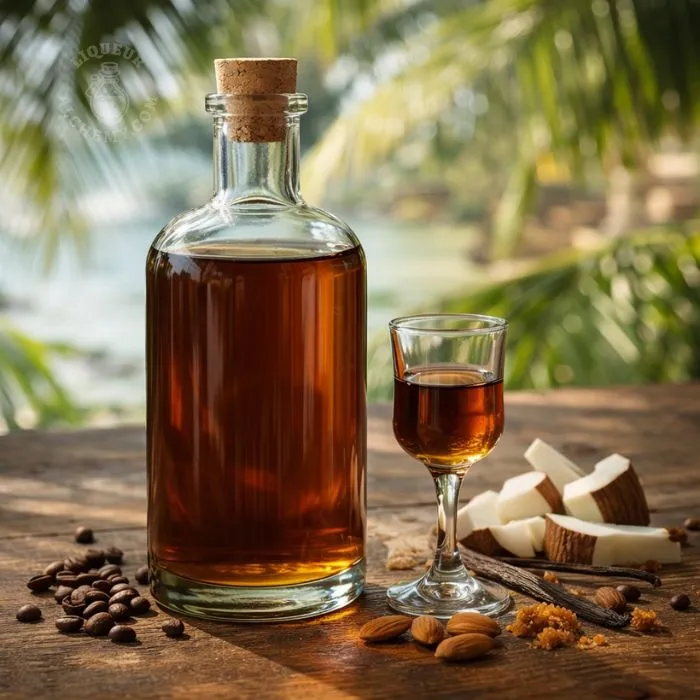
Why does a coffee and coconut liqueur turn cloudy or oily after straining?
Troubleshooting Common Homemade Liqueur Problems and Fixes
Direct Answer
Cloudiness usually comes from coconut fat and fine coffee sediment. Toasting the coconut, avoiding finely ground coffee, and filtering in stages help produce a cleaner, more stable liqueur.
Expanded Explanation
Cloudiness in this recipe usually comes from two sources: coconut fat and fine coffee particles. Fresh coconut naturally contains oils, and if it is not lightly toasted first, it also brings in more moisture. Coffee can add very fine sediment, especially if the beans were crushed too aggressively or if ground coffee was used instead of coarse pieces.
A cloudy or oily appearance does not always mean the batch is spoiled, but it does mean the finish is less polished and the storage quality may be reduced. If too much fat remains in the liquid, the liqueur can feel heavy on the palate and may develop an unstable surface layer over time. This is one reason why careful prep and filtering matter so much with coffee-coconut recipes.
To reduce this problem, toast the coconut flesh before infusion, avoid grinding the coffee too fine, and strain in stages. First use a sieve, then a fine cloth, then a coffee filter if needed. Letting the bottle rest for a day or two before a final polish filter can also help remove lingering sediment and improve clarity.