Why can Cornelian cherry liqueur become excessively tart or astringent?
Troubleshooting Common Homemade Liqueur Problems and Fixes
Direct Answer
Underripe fruit, high fruit ratios, strong alcohol and over-extraction can exaggerate Cornelian cherry acidity and tannins, creating tartness or astringency.
Expanded Explanation
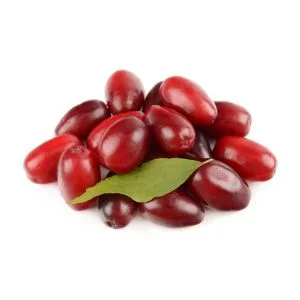
Cornelian cherry naturally contains strong fruit acids and some tannic compounds, so excessive tartness or astringency usually results from fruit that is underripe, an overly high fruit-to-spirit ratio, or a long extraction. Less-ripe cherries have not developed as much natural sugar and softer fruit character, which means their acidity can dominate the infusion. A high proportion of skins and firm fruit can also increase the drying sensation associated with tannins. This is especially noticeable before sweetening, when the infusion is tasted in its dry state.
Preparation and alcohol strength can intensify the effect. Heavily crushed fruit exposes more skin and flesh, increasing extraction speed. Very strong alcohol may extract tannins aggressively and make the finish feel harder. Freezing is useful, but because it speeds extraction, it also means the infusion should be tasted earlier. Spices such as cloves, cinnamon, and cardamom can add further dryness if used excessively, while citrus peel can increase bitterness and the perception of acidity. The problem is therefore often cumulative rather than caused by a single ingredient.
To prevent an overly sharp result, choose fully ripe, deep-red cherries and begin with a moderate fruit ratio. Taste during maceration and strain once the fruit is vivid and balanced. After straining, add sugar or honey gradually because sweetness reduces the perception of acidity and can transform a harsh infusion into a refreshing liqueur. Allow the sweetened liqueur to rest before making final adjustments, as acidity and tannin often integrate with time. If the batch remains too severe, blend it with additional spirit, a softer fruit infusion, or a small amount of syrup rather than adding a large amount of sugar at once.