What mistakes can make rose hip liqueur overly bitter?
Troubleshooting Common Homemade Liqueur Problems and Fixes
Direct Answer
Overlong maceration, crushed seeds, excessive citrus peel, underripe fruit and too many bitter botanicals can make rose hip liqueur harsh.
Expanded Explanation
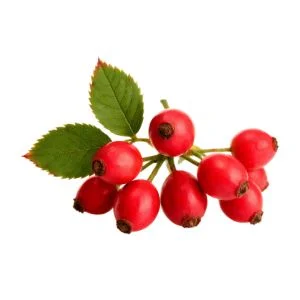
The most common cause of excessive bitterness in rose hip liqueur is over-extraction. Rose hips contain skins, seeds and tannic plant material that can gradually release harsher compounds into alcohol. Leaving the fruit in vodka for too long, especially after it has been split, crushed or frozen, can make the infusion progressively drier and more bitter. Crushing the seeds heavily is another common mistake because it exposes more internal material and increases the chance of extracting unpleasant seed bitterness.
Using underripe hips can also cause problems. Firm, pale or insufficiently mature fruit tends to be more astringent and less fruity than fully ripe hips. Another source of bitterness is combining rose hips with too much citrus peel, cinnamon, cloves or other strongly extracting botanicals. These ingredients can be excellent partners, but they often release bitter or woody notes faster than the fruit. They may need to be removed earlier than the rose hips themselves.
To prevent bitterness, use ripe fruit, avoid pulverizing the seeds and taste the infusion regularly. Three to five weeks is usually enough for the fruit, while spices or peel may need much shorter contact. If bitterness has already developed, sweetness can soften the perception but will not remove the extracted compounds. Diluting with uninfused spirit, blending with a softer batch or adding a small amount of fruitier infusion may help. Prevention through careful timing is much easier than correcting an over-extracted rose hip liqueur.