What factors influence how quickly tamarillo releases its flavor into a liqueur?
Infusion and Maceration Methods for Homemade Liqueurs
Direct Answer
Ripeness, cutting size, alcohol strength, temperature, and tasting frequency all affect how fast tamarillo extracts and how clean or sharp the final flavor becomes.
Expanded Explanation
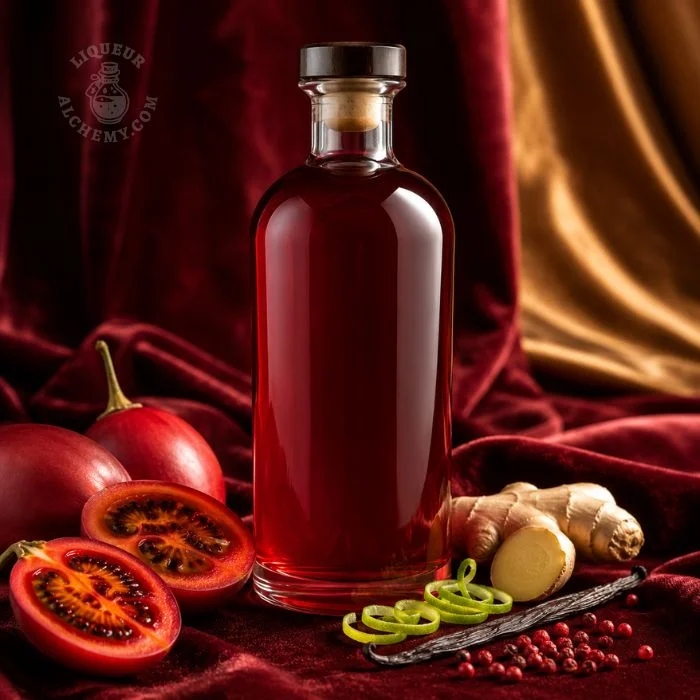
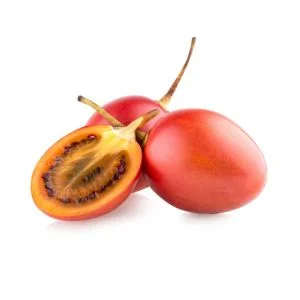
Several factors control how quickly tamarillo releases flavor into alcohol, and the first is ripeness. Fully ripe tamarillo generally gives a softer, fuller fruit character and extracts more evenly, while underripe fruit can lean sharp, green, and more acidic from the start. The way the fruit is cut also matters. Peeled slices or chopped flesh expose more surface area and speed extraction, while larger chunks slow the process and may produce a gentler, more controlled result.
Alcohol strength is another major influence. A stronger spirit usually extracts aroma and structure more quickly, but it may also pull harsher tones from the skin, seeds, or less desirable parts of the fruit. Temperature matters too. A jar stored in a warm place may extract faster, but warmth can also make the infusion feel rougher or less refined. Cooler storage usually slows extraction slightly but often helps preserve a cleaner flavor profile. Agitation, such as shaking the jar too often, may also encourage faster release.
Sugar timing can subtly change perception as well. If sweetness is added later, the fruit profile can be evaluated more clearly during infusion. If added early, the tamarillo may seem rounder sooner, but mistakes can be harder to detect. The most reliable approach is to use ripe fruit, a clean neutral base, moderate alcohol strength, and frequent tasting. Tamarillo can shift from lively and elegant to too sharp faster than expected, so extraction speed is not just about chemistry, but also about control and observation.