What mistakes cause jackfruit liqueurs to lose freshness or become muddy?
Troubleshooting Common Homemade Liqueur Problems and Fixes
Direct Answer
Overlong infusion, overripe fruit, too many competing ingredients, and poor filtration are common causes of muddy jackfruit liqueurs.
Expanded Explanation
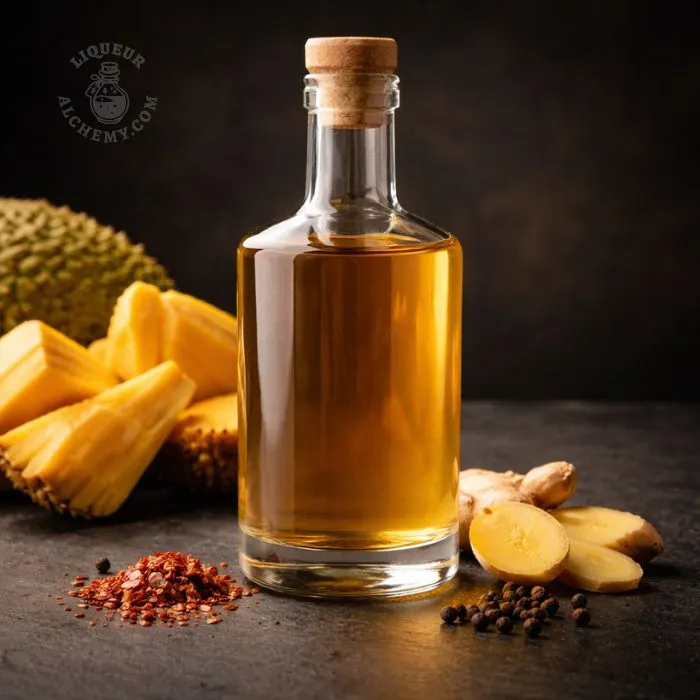
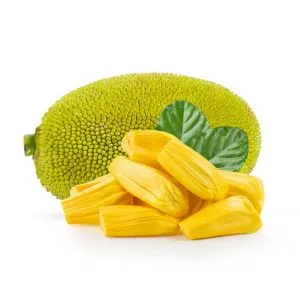
One of the most common mistakes is simply leaving the fruit in the alcohol too long. Jackfruit can smell vibrant and tropical at first, but with extended maceration it often loses its lifted top notes and shifts into a broader, duller profile. Instead of tasting fresh, it becomes dense and slightly muddy. Using very soft, overripe fruit can push things in the same direction even faster, because the fruit structure breaks down more quickly. Large amounts of fruit in a small volume of spirit can also overwhelm the infusion, making it feel congested rather than expressive.
Another major cause of muddiness is unclear recipe structure. Jackfruit is bold, so pairing it with too many competing ingredients can make the finished liqueur feel confused. Too many spices, heavy sweeteners, and dark spirit notes at once can flatten the fruit instead of highlighting it. Poor filtration can contribute as well, especially if lots of fruit pulp and broken fibers remain in the bottle. That can create not only visual cloudiness but also a less precise flavor. Even the way syrup is added matters. Dumping in sweetener without gradual adjustment can hide the remaining brightness.
Freshness is protected by restraint and timing. Use clean, ripe fruit, not overripe fruit. Keep the ingredient list focused. Taste during maceration instead of relying only on the calendar. Strain while the fruit still feels lively, then let the liqueur settle before final adjustments. If the bottle already feels muddy, sometimes a short rest helps, but often the best fix is blending with a fresher, lighter batch. Jackfruit can be lush without becoming blurred, but it needs a more disciplined approach than many simpler fruit liqueurs.