How does jackfruit extract differently in alcohol compared to other tropical fruits?
Infusion and Maceration Methods for Homemade Liqueurs
Direct Answer
Jackfruit extracts faster and more heavily than many tropical fruits, giving strong aroma early and fuller, richer body with longer maceration.
Expanded Explanation
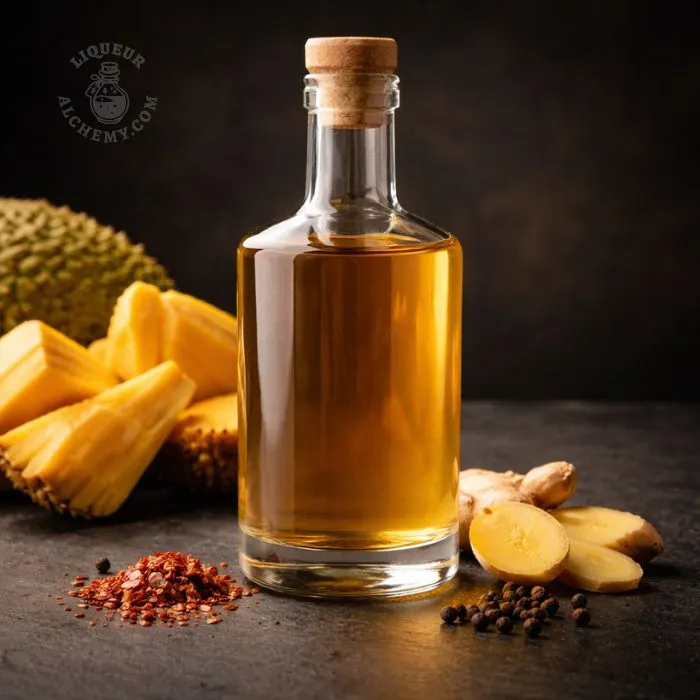
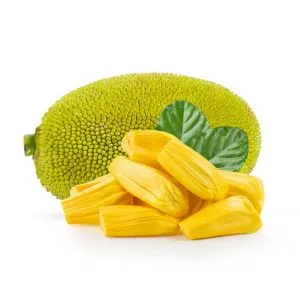
Jackfruit extracts in a slightly unusual way because it combines high aromatic intensity with a thick, fleshy texture. Many tropical fruits, such as pineapple or mango, give a cleaner, more direct fruit profile in alcohol, but jackfruit releases a broader mix of banana-like, melon-like, candy-like, and musky notes. That means it can seem expressive very early in the infusion, even before the alcohol has fully drawn out the deeper fruit character. The first days often emphasize perfume and ripe sweetness, while later days bring heavier body and a denser tropical impression.
Another difference is that jackfruit can become “thick” in flavor faster than expected. Some fruits stay bright as they infuse longer, but jackfruit tends to move from fresh and juicy toward rich and almost syrupy if left too long. Because of that, it often benefits from more frequent tasting than fruits with a simpler extraction curve. Thin slices usually extract more evenly than large chunks, and a neutral or lightly characterful spirit helps keep the profile readable rather than muddy. If the fruit is very ripe, extraction can feel faster still.
This is why jackfruit should be treated as a bold tropical ingredient rather than a mild fruit base. It gives strong aroma, broad body, and a distinctive ripe-fruit weight that can dominate a bottle if the dosage is too high or the timing is too long. Compared with other tropical fruits, it usually needs more attention during maceration, earlier tasting checkpoints, and a clearer plan for balance. Used carefully, that difference becomes a strength, because jackfruit can create a liqueur with a particularly lush and memorable character.