
Home / FAQ / How do coffee beans affect the extraction process in liqueur making?

How do coffee beans affect the extraction process in liqueur making?

Ingredients and Sweeteners That Shape Liqueur Flavor

Direct Answer

Coffee beans influence extraction in liqueurs through flavor release, grind size, and alcohol temperature, allowing for a tailored taste experience.
Expanded Explanation

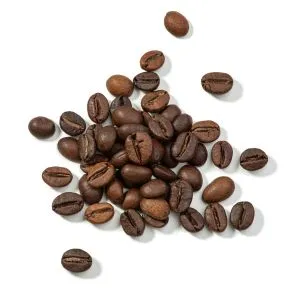
Coffee beans play a crucial role in the extraction process, as they release their flavors and oils when steeped in alcohol. The extraction rate can vary based on the type of coffee bean and the duration of infusion. A longer extraction time often results in a more robust flavor profile.

The grind size of the coffee beans also significantly impacts extraction behavior. Finer grinds tend to release flavors more quickly, while coarser grinds may require more time to achieve the desired intensity. Experimenting with different grind sizes can help you find the perfect balance for your liqueur.

Moreover, the temperature of the alcohol used for extraction can influence the final flavor. Warmer temperatures may enhance the extraction of aromatic compounds, while cooler temperatures can lead to a smoother, less bitter profile. Adjusting these variables allows for a customized liqueur experience.

Explore more practical answers in the full FAQ library.
Coffee Beans (Black) for liqueur making

Related Ingredient

Coffee Beans (Black)

Bold and roasted, coffee beans add dark richness and balance, giving liqueurs depth, aroma, and sophistication.

View Coffee Beans (Black) →

LATEST RECIPES OF LIQUEUR ALCHEMY


Discover the newest creations from Liqueur Alchemy — fresh flavours, seasonal infusions, and bold experiments straight from the pantry. Each recipe brings something unique, crafted to inspire your next homemade spirit.