How does canary melon extract in alcohol compared to other melons?
Infusion and Maceration Methods for Homemade Liqueurs
Direct Answer
Canary melon extracts more gently than many melons, giving subtle floral sweetness and needing careful timing to avoid a flat result.
Expanded Explanation
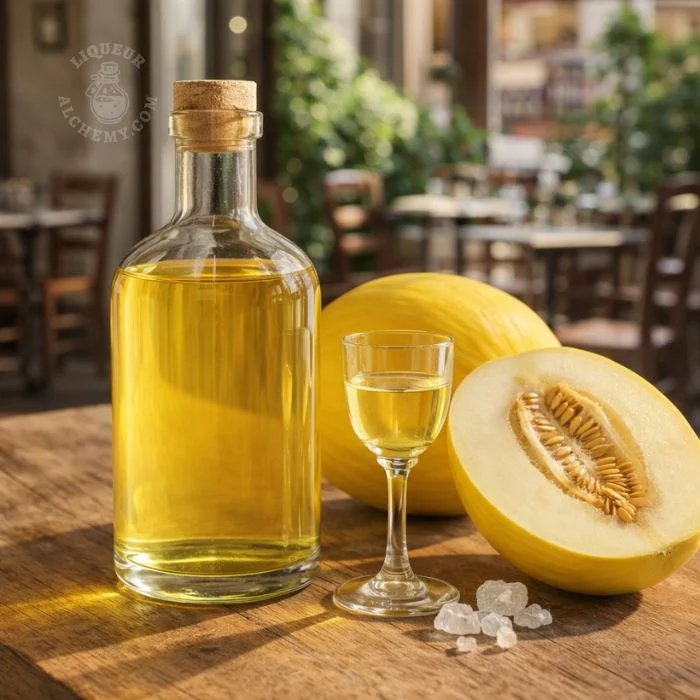
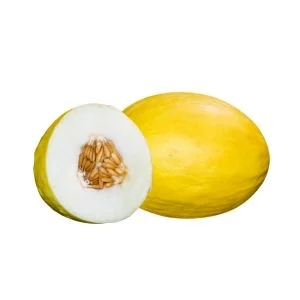
Canary melon extracts more delicately than many people expect because it is high in water, relatively soft in flavor, and driven more by light floral sweetness than by sharp acidity or dense tropical oils. Compared with cantaloupe, which can bring a rounder, muskier aroma, or honeydew, which often feels greener and slightly firmer in profile, canary melon usually produces a cleaner, brighter, and more subtle infusion. In alcohol, that means its first impression can seem attractive but faint, especially if the spirit is too assertive or the fruit is not fully ripe. The fruit does not usually dominate a jar quickly in the way citrus peel, spices, or highly aromatic tropical fruits do. Instead, it gives a gentler extraction curve that rewards careful dosage and early tasting.
Another important difference is that canary melon can lose freshness if pushed too far. Some ingredients become deeper and more expressive with longer contact time, but melon often reaches a peak and then starts flattening out. The aroma can move from juicy and fresh toward watery, muted, or dull if the fruit is left too long or if the starting fruit lacked fragrance. Because of that, it is usually better to think of canary melon as a precision ingredient rather than a brute-force infusion fruit. Clean cuts, ripe flesh, moderate quantities, and a spirit base that allows subtle flavors to stay visible all matter more than with heavier fruits.
This extraction behavior makes canary melon especially useful for elegant, lighter liqueur styles. It contributes gentle body, soft sweetness, and a refined fruit note rather than thick richness. It often performs best in vodka, white rum, or rice spirit, where the fruit can stay readable. Compared with other melons, it needs a little more support from structure, such as citrus zest, spice detail, or careful sweetening, but that does not make it weak. It simply means the ingredient shines through finesse rather than force, and successful recipes respect that softer extraction profile.