Why does a cranberry vodka infusion turn out thin, harsh, or unbalanced even with good ingredients?
Troubleshooting Common Homemade Liqueur Problems and Fixes
Direct Answer
Thin or harsh cranberry liqueur usually comes from weak fruit extraction, overexposed spices, or over- or under-sweetening. Good balance depends on timing, tasting, and gradual adjustment.
Expanded Explanation
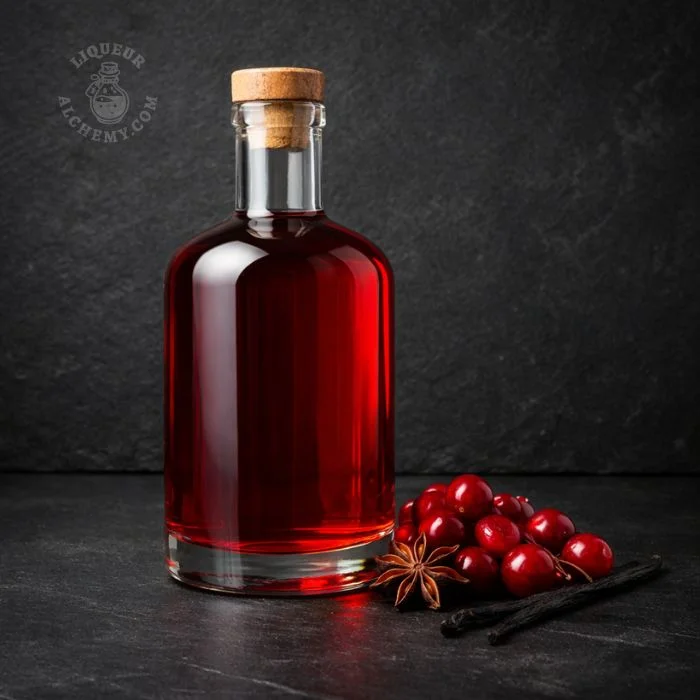
A thin or harsh result usually comes from extraction problems rather than bad ingredients. If the cranberries are not frozen, crushed, or given enough contact with the vodka, the fruit may not release enough flavor. The liqueur then tastes more alcoholic than fruity, with acidity but not enough depth to carry it.
Balance can also fail when supporting ingredients are too strong or poorly timed. Leaving star anise in too long can flatten the cranberry and make the finish feel heavy. Too much orange zest, especially with pith, can create bitterness. Vanilla should stay subtle; if overdone, it can blur the fruit instead of softening it.
Sweetening mistakes are another common cause. Adding all the sugar and honey at once without tasting may mute the cranberry or leave the finish sticky. If the liqueur feels sharp after straining, sweetness should be adjusted gradually. A balanced version should taste vivid and structured, not sour, raw, or syrupy.