Amelanchier Sylva

Amelanchier Sylva Serviceberry Liqueur with Autumn Spices

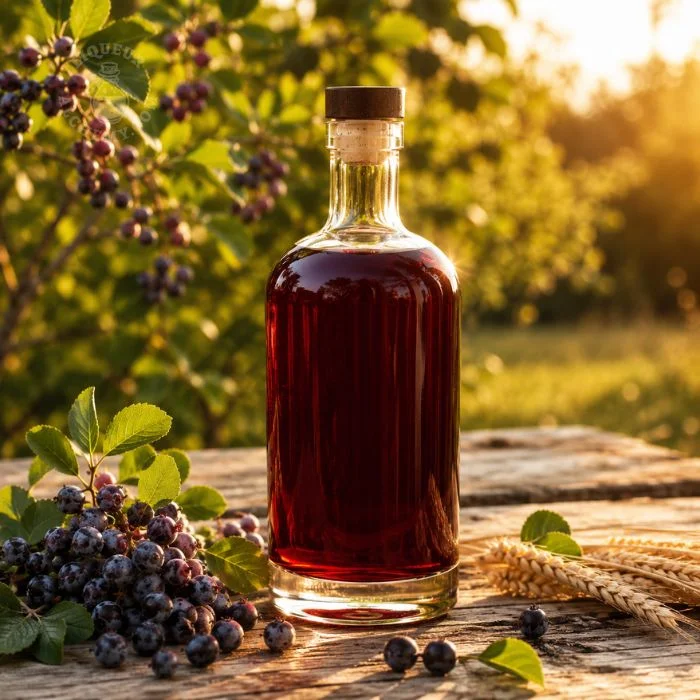
Amelanchier Sylva is a rich serviceberry vodka liqueur combining dark woodland fruit with honey, vanilla and gentle autumn spices. Cinnamon, star anise and orange zest add warmth and complexity, while pink peppercorns provide subtle brightness. The result is smooth, elegant and deeply aromatic with a long, refined finish.

Main notes

  • Vodka
  • Serviceberry

Ingredients

  • Vodka — 1 L
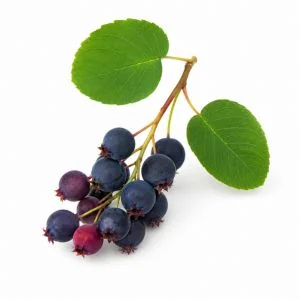
  • Serviceberries — 1 kg
  • White sugar — 100 g
  • Honey — 40 g
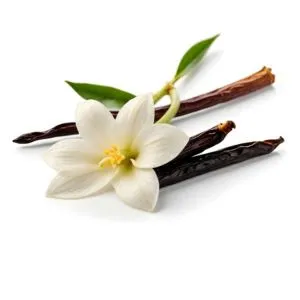
  • Vanilla — ¼ pod
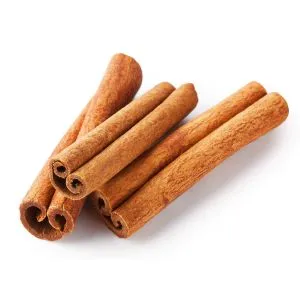
  • Cinnamon — 3 cm
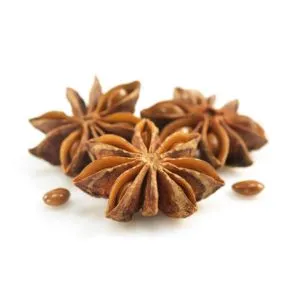
  • Star anise — ¼ star
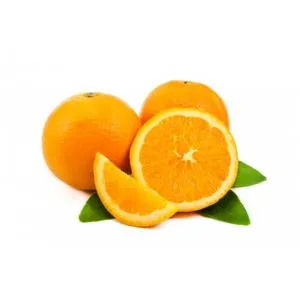
  • Orange zest — 2 strips
  • Pink peppercorns — 4 berries
  • Lemon juice — 20 ml

Preparation

  1. Carefully remove any stems and damaged fruit from the serviceberries.
  2. Lightly crush around one-third of the berries to encourage flavour extraction.
  3. Place the berries into a large sterilised glass jar.
  4. Add the vanilla pod, cinnamon stick, star anise, orange zest and pink peppercorns.
  5. Pour in the vodka, ensuring all ingredients are fully submerged.
  6. Seal the jar and store in a cool, dark place for 21 days, gently shaking every few days.
  7. Strain the infusion through a fine sieve, then filter through cheesecloth or coffee filters until clear.
  8. Stir in the sugar, honey and lemon juice until completely dissolved.
  9. Bottle the liqueur and allow it to mature for at least 4 weeks before serving.
Download

The Story

Amelanchier Sylva captures the spirit of woodland foraging and autumn evenings. Made from wild serviceberries, a fruit long treasured for its rich berry character and subtle almond notes, this liqueur combines forest-grown fruit with warming spices. Vanilla, cinnamon and a touch of star anise create gentle depth, while orange zest and pink peppercorns brighten the palate. Honey softens the texture and enhances the natural sweetness of the berries. The result is a refined woodland liqueur that evokes quiet forest paths, fading golden light and the comforting warmth of a fire on a cool autumn night.

Who is "Amelanchier Sylva" Liqueur for?

Amelanchier Sylva is for curious spirits enthusiasts and slow sippers who appreciate wild fruit, subtle spice and elegant complexity. Its woodland character and warming notes make it ideal for those seeking a refined alternative to traditional berry or winter liqueurs.

"Amelanchier Sylva" Liqueur Serving Suggestions

Serve slightly chilled in a small liqueur glass to highlight its rich berry aromas and warming spice notes. Perfect beside a fireplace, after dinner, or during autumn and winter gatherings when deeper, more contemplative flavours are especially welcome.

Why the Name "Amelanchier Sylva"?

The name Amelanchier Sylva combines the botanical name of the serviceberry with the Latin word Sylva, meaning forest or woodland. It reflects both the wild nature of the fruit and the woodland atmosphere that inspired the recipe. The name evokes autumn forests, quiet paths and the natural beauty of foraged berries transformed into a refined and elegant liqueur.

Testing Notes

Early trials showed that serviceberries naturally provide soft almond-like undertones, so spice levels were intentionally restrained. Larger amounts of star anise quickly dominated the fruit character, while pink peppercorns helped maintain freshness. Honey improved texture and mouthfeel, producing a smoother and more balanced finish than sugar alone.

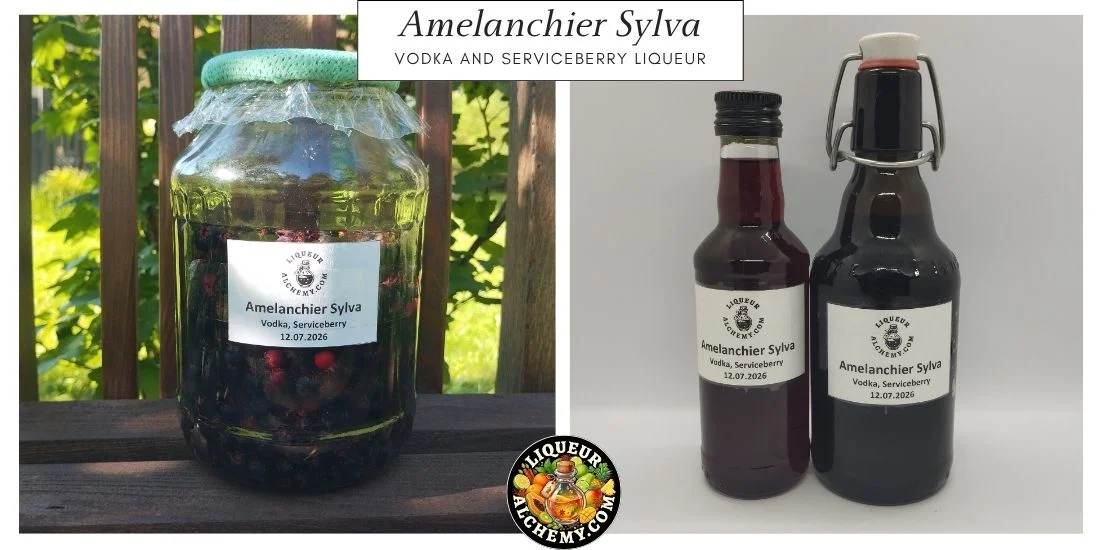
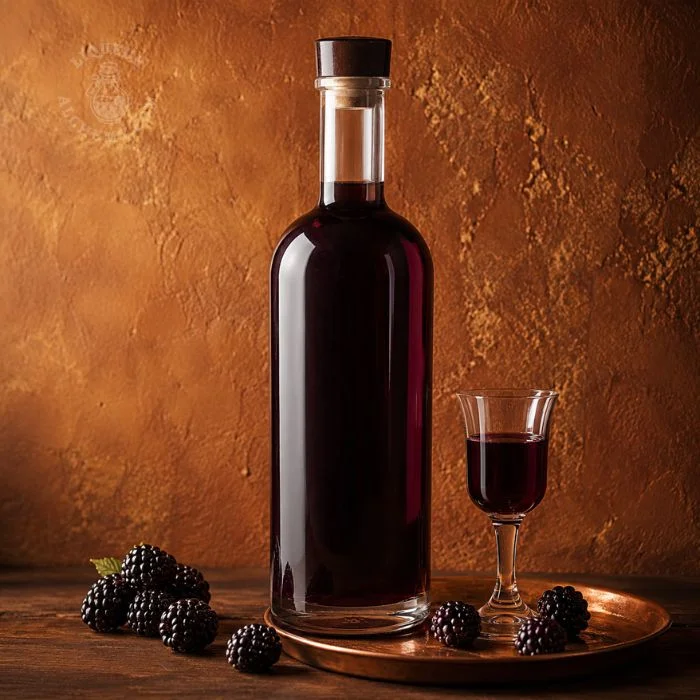
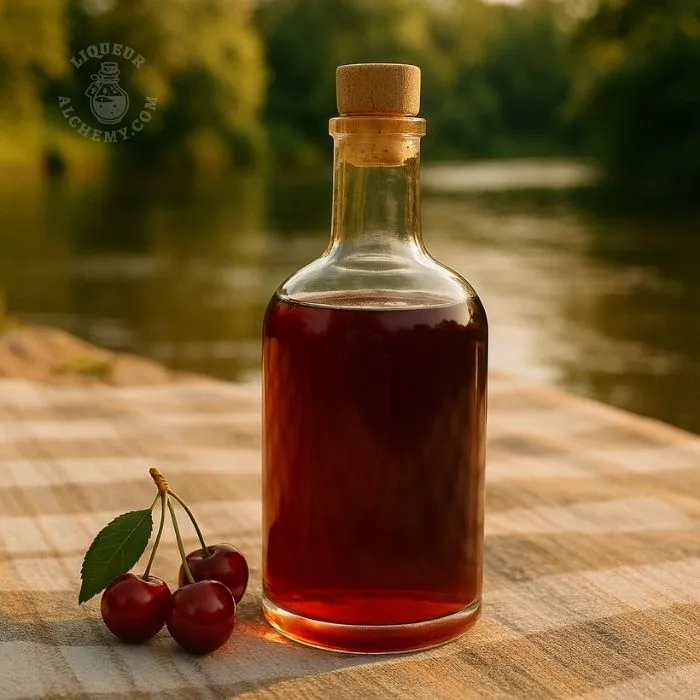
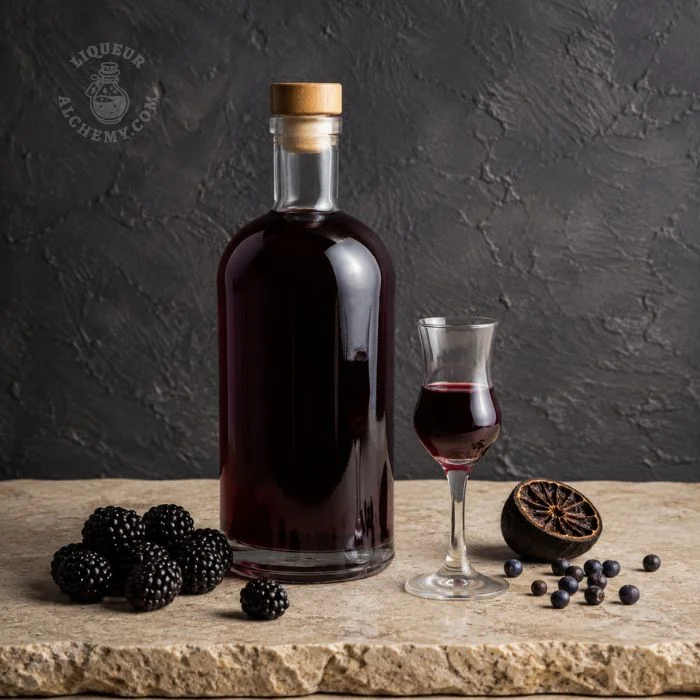
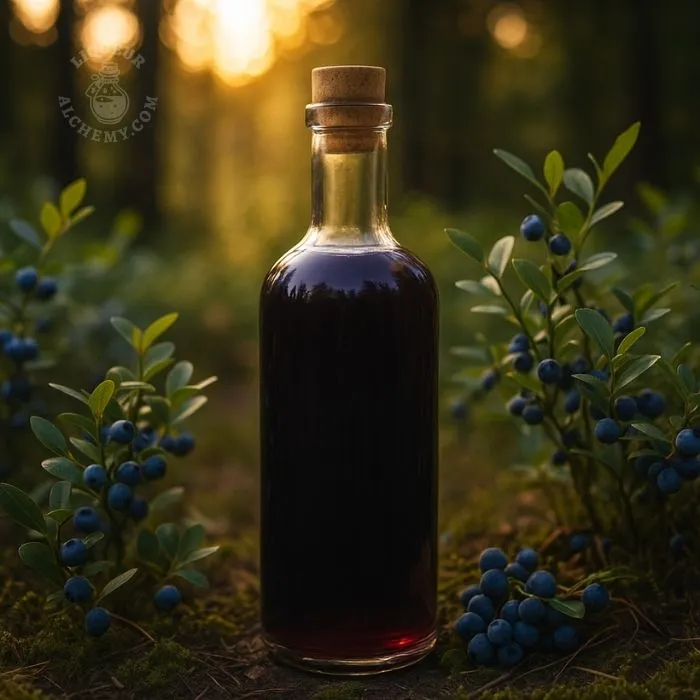
Amelanchier Sylva liqueur during maceration and finished bottled liqueur

Amelanchier Sylva Liqueur FAQ


Serviceberries can be frozen before infusion and many liqueur makers consider it beneficial. Freezing breaks down the fruit cells, allowing the vodka to extract colour, aroma and flavour more efficiently. Once thawed, the berries release juice more readily, often resulting in a richer and deeper berry character in the finished liqueur.

When freezing, use fully ripe fruit and remove any stems, leaves or damaged berries beforehand. Store the berries in airtight freezer bags or containers to prevent freezer burn and unwanted odours. Thaw them completely before beginning the infusion process and include all released juices in the jar.

The final liqueur may develop slightly more body and colour compared to using fresh fruit alone. While both methods work well, freezing is especially useful when harvesting wild serviceberries in larger quantities or when immediate preparation is not possible.

View this Liqueur FAQ as a standalone page

Cinnamon and star anise extract much faster than serviceberries and can dominate the flavour if left unchecked. Although the berries benefit from a full 21-day infusion, the spices often reach their ideal intensity after around 7 to 14 days depending on personal preference.

Taste the infusion every few days after the first week. If the cinnamon becomes too woody or the star anise starts contributing a strong liquorice character, remove the spices while leaving the fruit to continue macerating. This approach gives greater control over the final flavour profile.

Star anise is particularly powerful in small batches and even a quarter star can become prominent if left too long. Removing the spices early preserves the rich berry character while still providing warmth and complexity in the finished liqueur.

The most common cause is leaving cinnamon or star anise in contact with the alcohol for too long. While serviceberries need extended extraction, spices release their flavour compounds relatively quickly and can eventually mask the fruit character.

Using larger pieces of cinnamon than specified or adding extra star anise can also create imbalance. Even small increases may significantly alter the flavour because alcohol extracts spice compounds very efficiently over time. Careful measuring is important when working with aromatic ingredients.

If the liqueur becomes overly spicy, allow it to mature for several additional weeks as some sharp notes may soften. Blending with a small amount of additional berry infusion or lightly increasing sweetness can also help restore balance and highlight the fruit once again.

Wild serviceberries can vary considerably depending on growing conditions and ripeness. If the berries are exceptionally sweet, reducing the sugar slightly may help preserve freshness and prevent the finished liqueur from becoming heavy or syrupy.

If the berries are noticeably tart or lack natural sweetness, a modest increase in sugar or honey can create a smoother and more rounded flavour. Honey contributes body and texture while sugar provides cleaner sweetness, so adjusting both in small increments often gives the best results.

Always make sweetness adjustments after straining the infusion. Taste the liquid before bottling and remember that flavours continue to integrate during maturation. A balanced liqueur should showcase the fruit first, with sweetness supporting rather than dominating the flavour profile.

Although the liqueur is drinkable shortly after bottling, a resting period allows the fruit, spice and sweetener components to integrate more fully. Freshly bottled liqueur often tastes slightly disjointed, with individual flavours standing apart from one another.

A minimum of four weeks is recommended, but many makers notice further improvement after two to three months. During this time the cinnamon, vanilla and orange notes become smoother while the serviceberry character gains depth and cohesion.

Store the bottles in a cool, dark place away from direct sunlight and temperature fluctuations. Proper maturation rewards patience by producing a richer texture, more harmonious flavour profile and a noticeably more refined finish.

RALETED RECIPES OF LIQUEUR ALCHEMY


Explore more creations from Liqueur Alchemy that share similar flavours, techniques, or ingredients. These related recipes offer fresh ideas and inspired combinations to help you craft your next bold, homemade spirit.