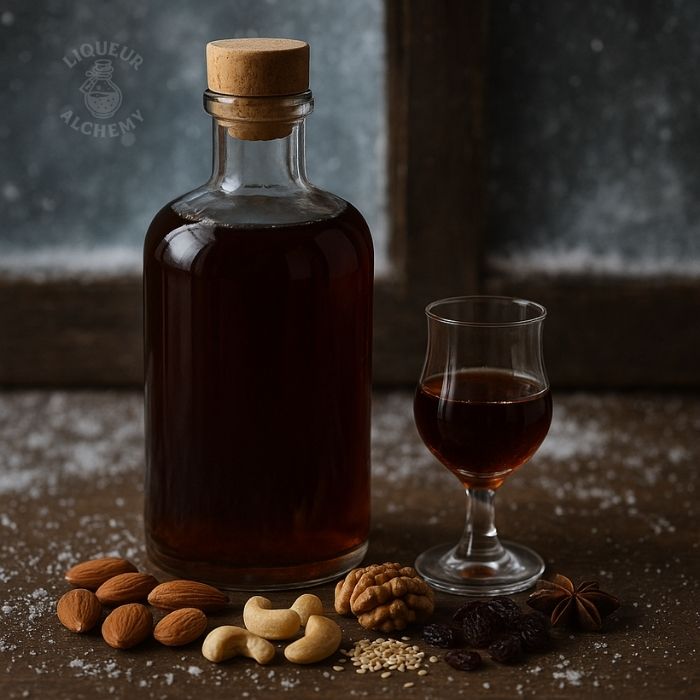
What can replace coconut sugar or reduce dark sweeteners without losing roasted depth?
Coconut sugar adds a toasted, caramel note that matches rum and nuts. Brown sugar adds molasses depth, and honey adds silky body. If you remove coconut sugar entirely, the liqueur can lose its “roasted” bass and feel more simply sweet. If you keep all sweeteners high, the drink can become heavy and mask nut aroma.
If coconut sugar is unavailable, a small amount of muscovado or dark brown sugar can mimic the caramel depth, but use less—muscovado is stronger. If you want to reduce sweetness, keep the darker sugar as an accent and build most sweetness with a cleaner syrup so the finish stays lighter.
Taste chilled and consider dilution before big sweetener changes. Lower density often lifts nut aroma immediately. Then fine-tune sweetness in small steps and give the bottle time to rest; nutty profiles often feel less cloying after a couple of weeks.
When should you remove star anise and cinnamon so they don’t turn nut-rum into “cough syrup”?
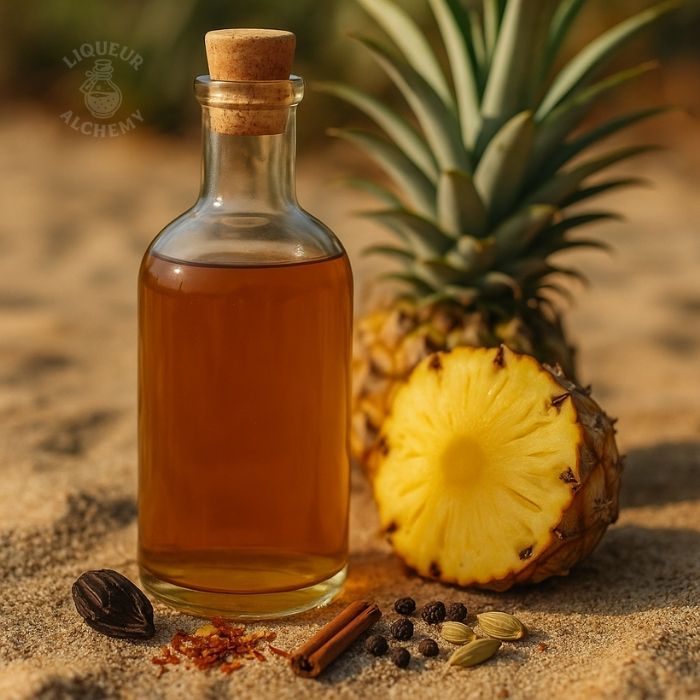
In a dark, sweet base, star anise can quickly become licorice syrup and cinnamon can become woody and drying. Because nuts already read like dessert, too much spice pushes the profile into heavy, medicinal territory. The goal is a warm spice glow behind roasted nuts and rum.
Remove star anise as soon as licorice is clearly noticeable on the nose but still background. Remove cinnamon once it gives soft warmth, before any barky dryness appears. If you want more spice later, it’s safer to do a short second infusion than to over-extract from day one.
If the liqueur already tastes medicinal, strain immediately and let it rest. A small dilution can help lift nut aroma and reduce perceived spice dominance. Avoid “fixing” with more sugar, which usually makes the medicinal impression feel even thicker.
How long should mixed nuts and sesame infuse in rum before they taste bitter or oily?
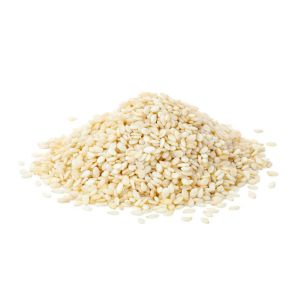
Nuts and sesame bring rich oils and roasted aromas, but those oils can turn heavy or bitter if contact time is too long or if the nuts are old. Walnuts are the most likely to contribute bitterness, and sesame can go toasty-bitter if over-extracted. The goal is warm, nutty perfume—never oily or rancid.
Taste early and plan for shorter nut contact than you would with fruit. Strain as soon as you have clear nut aroma and a smooth finish, before any papery bitterness appears. If you toasted nuts, be even more cautious: toasted aromas extract faster.
If it already tastes oily, chilling can help separate fats; then rack the clear portion off the top layer. Fine filtration after chilling removes suspended nut fines. Resting also helps the flavors knit and makes the finish feel smoother without adding more sweetness.