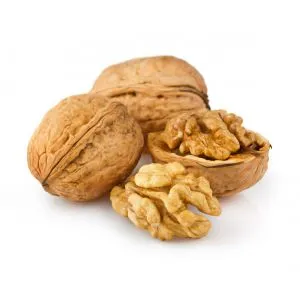
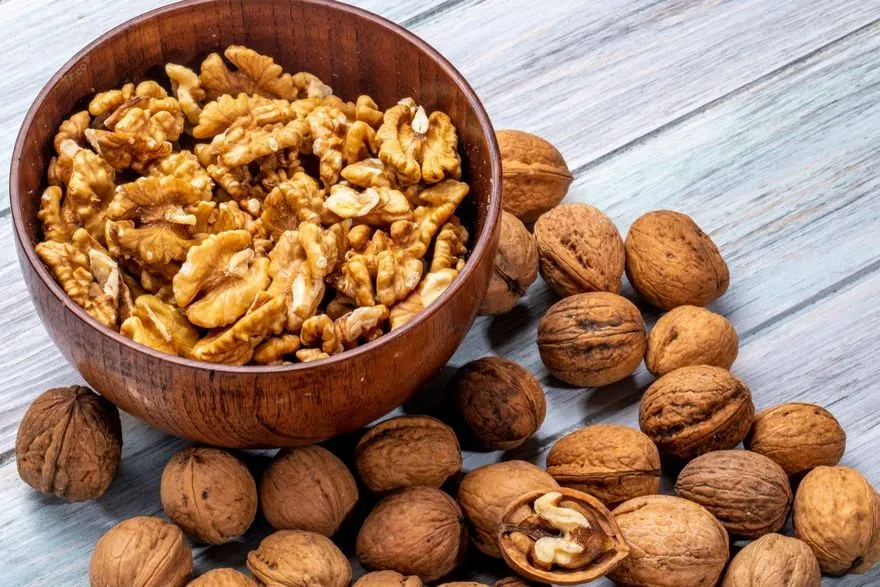
Walnuts

Walnuts for Liqueur Infusions – Flavor & Pairing Tips

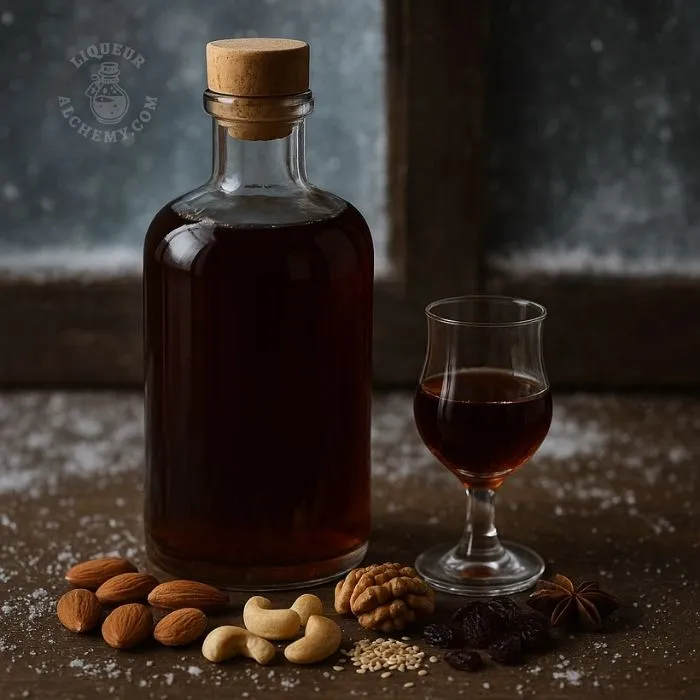
Walnuts bring a deep, rounded nut character to liqueurs, combining buttery richness with gentle bitterness that adds structure. Their natural oils create a smooth, almost creamy mouthfeel, softening strong spirits while adding complexity. Toasted walnuts work especially well with coffee, chocolate, caramel, and dried fruits, producing comforting, dessert like infusions. They give liqueurs a mature, cozy personality with a long, satisfying finish.

Walnuts

Home / Ingredients / Nuts / Walnuts

Walnuts Flavor Profile

Bitter-nutty aroma, earthy depth, slight tannin.
Walnuts Impact on Liqueurs

Adds complexity and structure; classic for nocino-style liqueurs.

How to Use Walnuts?

Use chopped green or dried nuts; 200–300 g per 1 L. Infuse 4–8 weeks in spirit.

Walnuts Pairing Suggestions

Rum, Brown Sugar, Coffee, Cacao, Vanilla, Cinnamon, Orange Peel, Honey
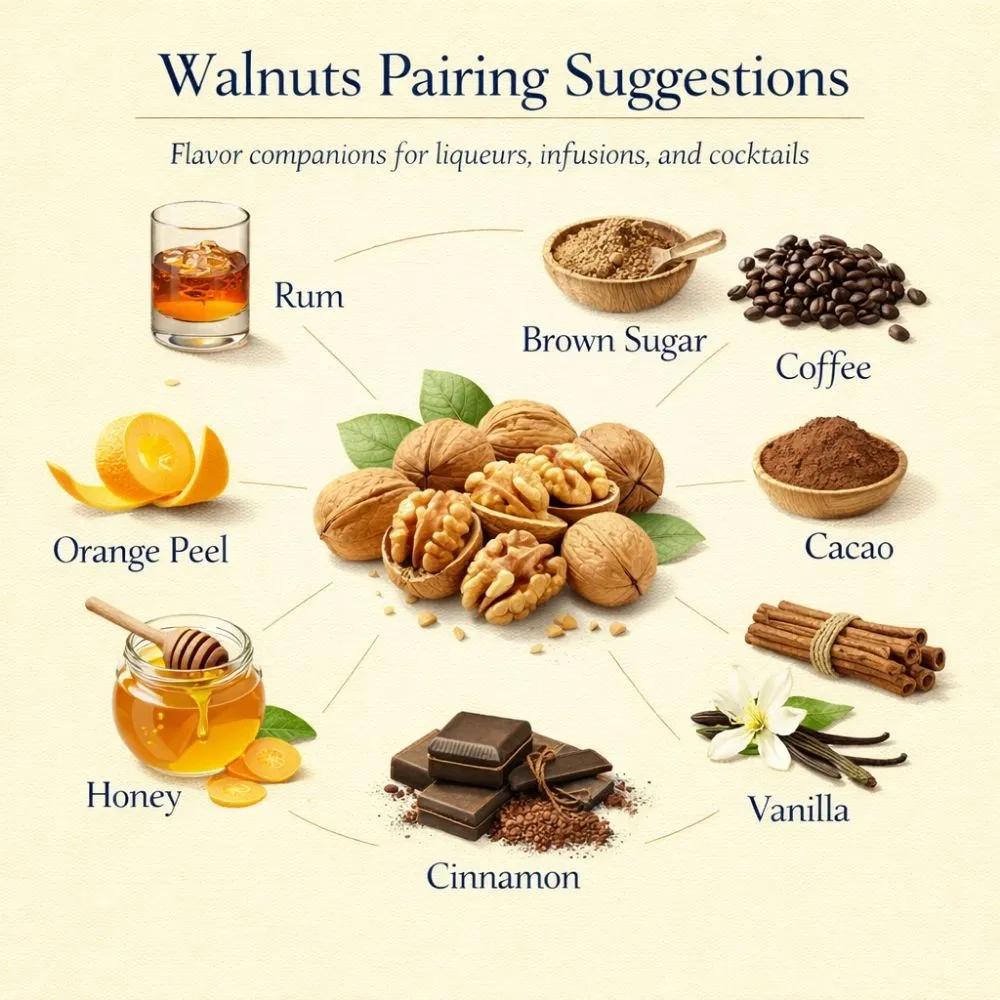
Walnuts pairing suggestions for liqueur making

Walnuts FAQ


Walnuts can go bitter from skins, oxidation, and long extraction—especially if you use very dark, old nuts. Start with fresh walnuts and toast them lightly to bring out a round, nutty aroma without scorching. Use 45–60% ABV for cleaner oil extraction, coarsely chop (don’t grind), and start tasting at day 3–4.

Timing and dosage: a good starting dose is 200–350 g walnuts per liter of spirit. Most walnut infusions peak around 7–14 days; beyond that you can pull woody bitterness. Strain, cold-crash 24–72 hours, decant, then sweeten in stages so you can keep the nutty aroma forward.

Common mistakes are using rancid nuts, over-toasting, and leaving nut skins and fines in contact too long. Flavor impact should be rich, toasty, slightly cocoa-like; vanilla or cacao can deepen it, but add late and lightly. Store cool and dark; walnut oils oxidize, so smaller batches and fridge storage after opening help.

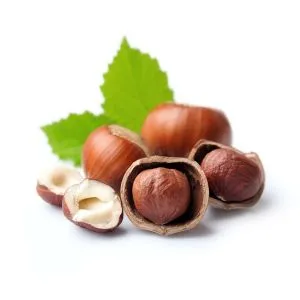
Yes, but each nut changes the profile. Pecans lean buttery and caramel, hazelnuts go praline/chocolatey, and almonds go marzipan. Walnuts are deeper and slightly bitter-edged, so if you substitute, adjust dosage and keep steep time controlled.

Use the same best practices: roast lightly, remove skins where possible, extract at 45–60% ABV, and taste early. If swapping to hazelnuts, reduce time because they can get roasty-bitter; if swapping to almonds, control skins to avoid bitterness.

Common mistakes are treating nuts like fruit (long steeps) and using low proof (unstable oils). Flavor impact should remain smooth and toasty. Store cool and dark; nut oils age, so plan smaller batches and quicker consumption.

Several factors influence the extraction behavior of walnuts in liqueur production. The size of the walnut pieces plays a crucial role; smaller pieces increase the surface area, allowing for more efficient extraction of oils and flavors. Additionally, the temperature of the extraction environment can also impact the process, with warmer temperatures generally facilitating faster extraction.

The choice of alcohol is another important factor. Different spirits have varying abilities to extract flavors from walnuts. For example, a high-proof neutral spirit may extract more oils quickly, while a lower-proof spirit might require a longer infusion time to achieve a similar flavor intensity.

Lastly, the duration of the extraction process is key. While some may prefer a quick infusion, allowing walnuts to steep for longer can yield a richer and more complex flavor profile. Experimenting with these variables will help you find the perfect balance for your liqueur.

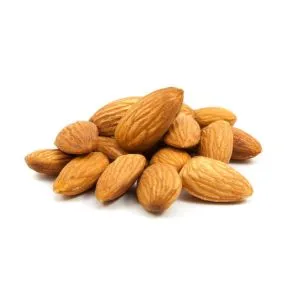
Yes, you can replace walnuts with almonds in your liqueur recipes. Almonds have a sweet, nutty flavor that can enhance the overall taste of your infusion. Use blanched almonds for a smoother texture or roasted for a deeper flavor.

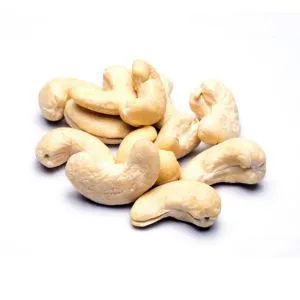
Cashews are another suitable substitute, providing a creamy and buttery taste. They can blend well with various flavor profiles, making them a versatile option. Use them in a similar quantity to walnuts for balanced results.

If you want to avoid nuts altogether, try using oats or coconut flakes. Both can add a unique flavor and texture to your liqueur, giving it a distinct character without the nutty taste.

The recommended dosage of walnuts for liqueur infusion is about 1 to 2 cups per liter of base spirit. This ratio allows the nuts to release their oils and flavors effectively without overpowering the drink.

If you prefer a milder walnut flavor, start with 1 cup and adjust according to your taste preference. Remember that the strength of flavor can vary based on the type of walnuts used and their freshness.

Always keep in mind that the infusion process is gradual. You can always add more walnuts later if you feel the flavor is not strong enough, but it's difficult to remove excess flavor once it's been infused.
Walnuts
Walnuts in Liqueur Crafting

More Nuts


RELATED RECIPES OF LIQUEUR ALCHEMY


Explore more creations from Liqueur Alchemy that share similar flavours, techniques, or ingredients. These related recipes offer fresh ideas and inspired combinations to help you craft your next bold, homemade spirit.

LIQUEUR ALCHEMY TOOLS & RESOURCES


Design labels in minutes—beautiful, practical, and ready to print. Choose a tool below to generate bottle or ingredient labels that match your Liqueur Alchemy workflow.
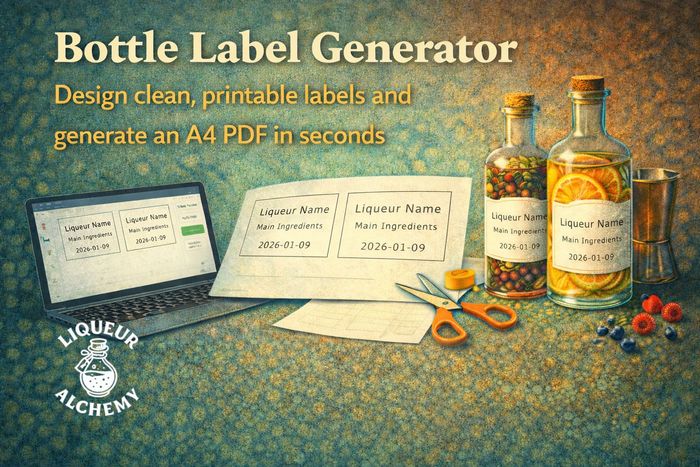
Bottle Label Generator preview

Bottle Label Generator

Create clean bottle labels with your liqueur name, batch details, date — ready for printing and gifting.
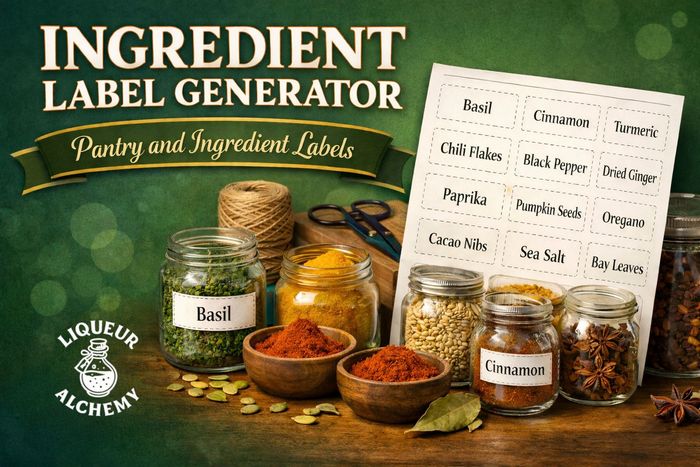
Ingredient Label Generator preview

Ingredient Label Generator

Label jars, containers, and storage bags to maintain clear organization from preparation through infusion and serving.
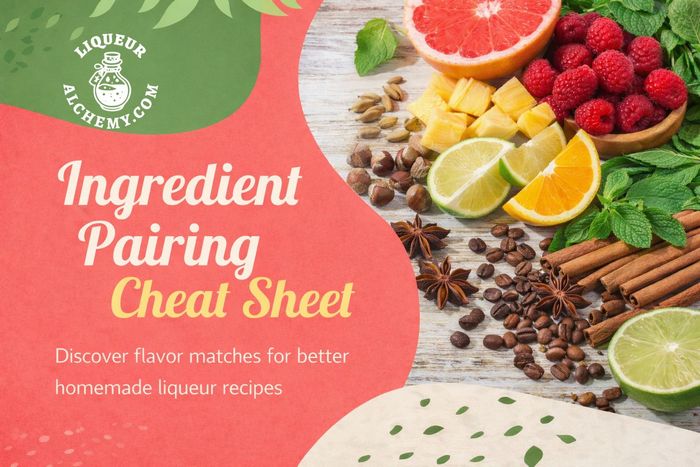
Ingredient pairing cheat sheet for creating balanced homemade liqueurs

Ingredient Pairing Cheat Sheet

Discover flavor combinations that create balanced, complex, and unique homemade liqueurs.