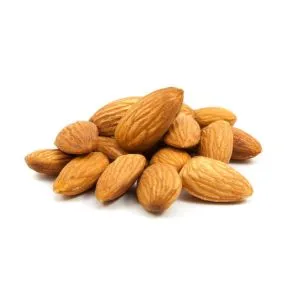
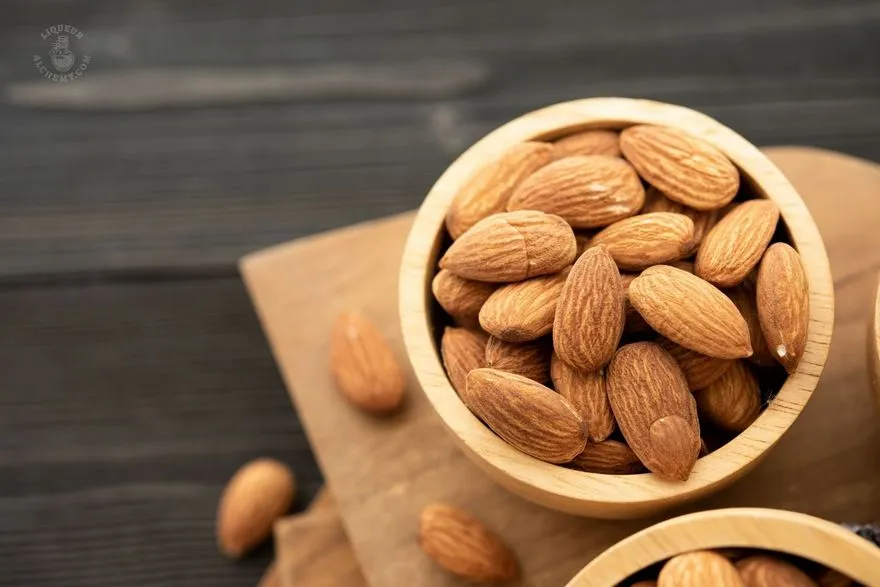
Almonds

Almonds for Liqueur Infusions – Flavor & Pairing Tips

Almonds lend liqueurs their signature nutty aroma and subtle sweetness, creating smooth, velvety blends. When infused, they release delicate oils that soften the alcohol and add richness. Their flavor evokes marzipan and subtle warmth, ideal for pairing with vanilla, honey, or fruit bases. Almonds enrich both texture and depth, giving liqueurs a refined, comforting quality with an irresistibly smooth finish.

Almonds

Home / Ingredients / Nuts / Almonds

Almonds Flavor Profile

Nutty, marzipan-like aroma, creamy sweetness, lightly bitter skins if over-extracted.
Almonds Impact on Liqueurs

Builds body and dessert richness; creates a soft, pastry-like note that pairs beautifully with fruits and cacao.

How to Use Almonds?

Use blanched or toasted almonds; 150–250 g per 1 L. Infuse 2–6 weeks; strain well. Best in vodka or brandy.

Almonds Pairing Suggestions

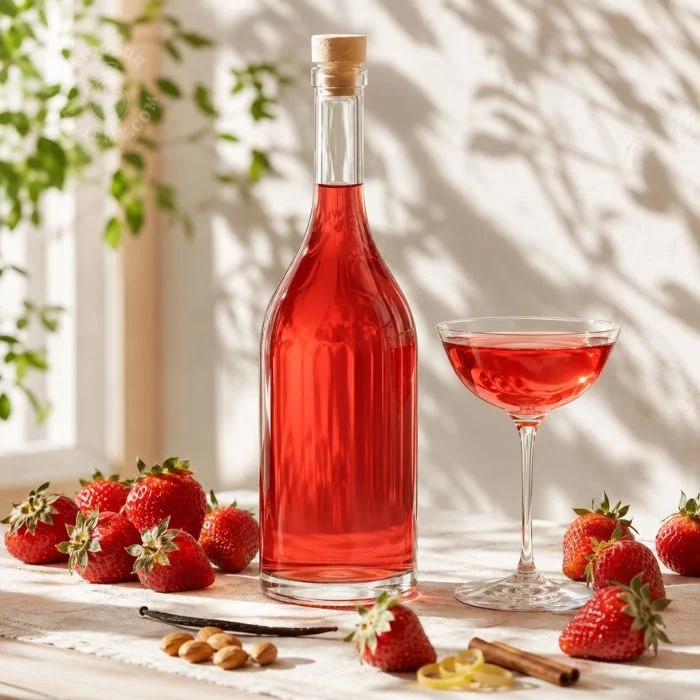
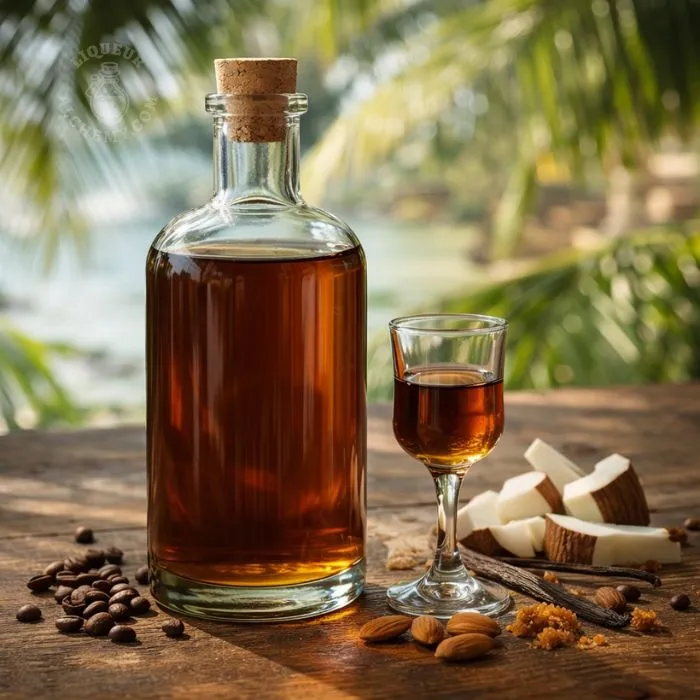
Vodka, Cane Sugar, Vanilla, Cinnamon, Orange, Chocolate, Honey, Lemon
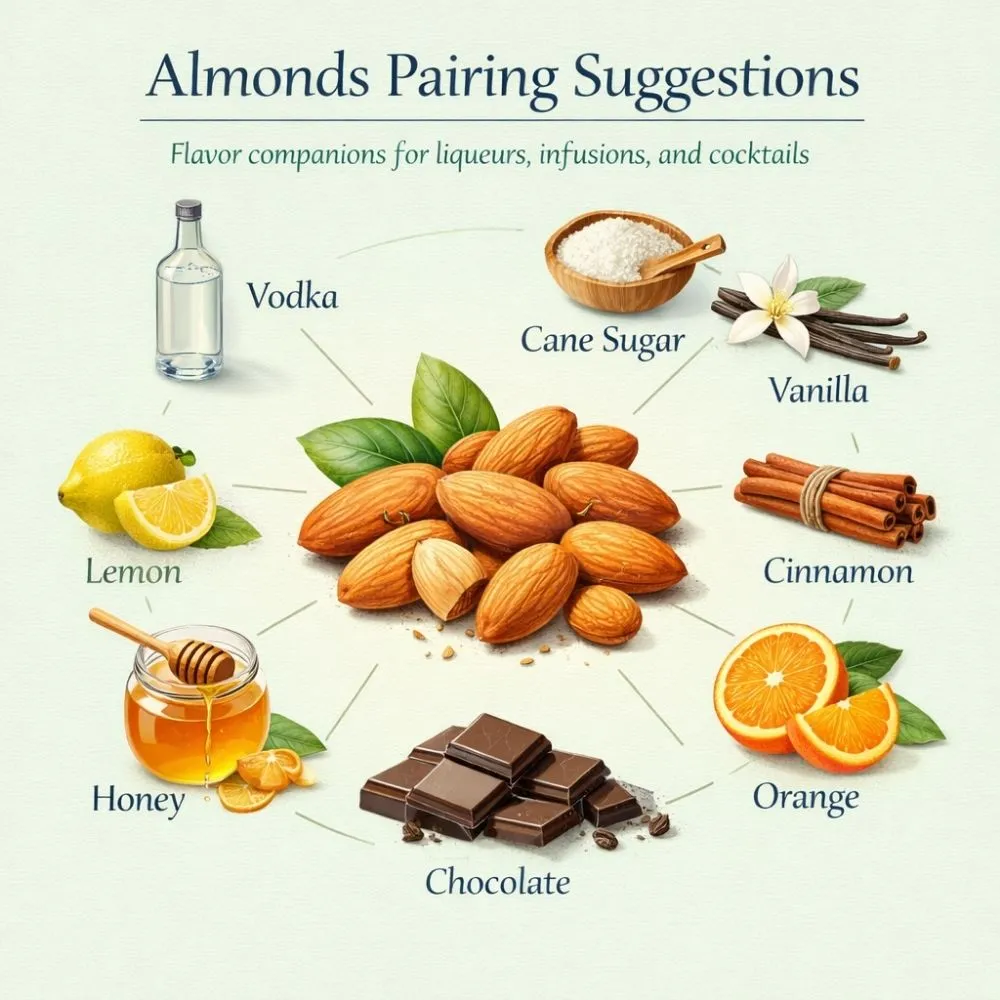
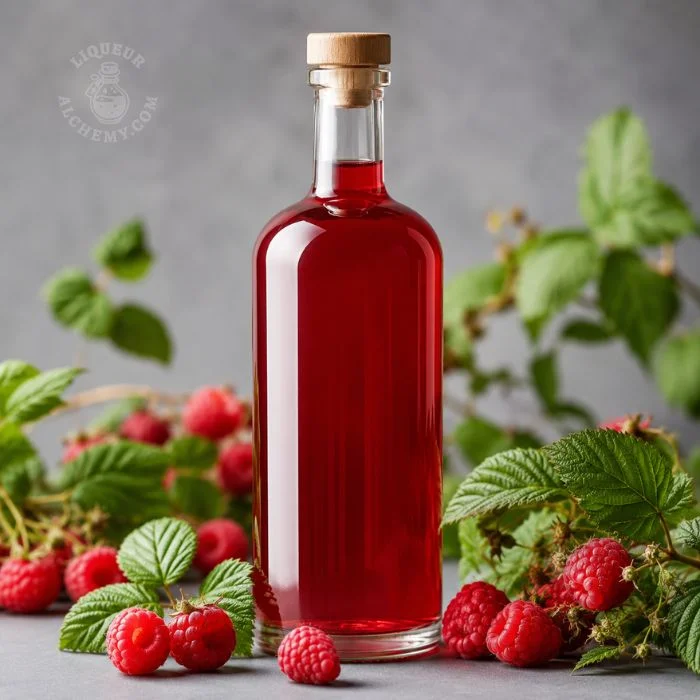
Almonds pairing suggestions for liqueur making

Almonds FAQ


Avoid relying on almond extract—it's easy to overshoot and it tastes one-dimensional. Use real almonds, ideally blanched (skins removed), and toast lightly to develop aroma without bitterness. Then infuse coarsely chopped almonds in 45–60% ABV for 5–14 days, tasting from day 4.

If you want a classic “amaretto” vibe, add a tiny amount of bitter almond character carefully (some recipes use a few apricot kernels), but for safety and consistency most homemade makers skip kernels and build depth with vanilla and a touch of caramelized sugar instead.

Common mistakes include leaving skins on (bitter), over-toasting (burnt), and grinding into paste (oily haze). Flavor impact should be marzipan, warm and creamy. Sweeten after straining and rest 2–3 weeks for integration. Store cool and dark; nut oils oxidize over time, so smaller batches are smarter.

It’s possible, but not recommended. Almond flour/ground almonds release oils and fine solids immediately, making filtration extremely difficult and increasing the risk of a greasy texture. If you must, use a very small amount, steep for a short time (hours to a day), and expect heavy settling and slow filtering.

A better substitution is using chopped whole blanched almonds in a spice bag so you can remove them cleanly. Or make a small almond tincture with chopped nuts and blend it into your liqueur base.

Common mistakes include using too much ground almond and shaking daily, which keeps fines suspended. Flavor impact from ground almonds can be intense but muddy. Store cool and dark; ground nuts go rancid faster than whole nuts.

Several factors affect the extraction of almonds in liqueur making, including the alcohol concentration, temperature, and time. Higher alcohol concentrations tend to extract flavors more effectively, while lower concentrations may require longer infusion periods to achieve a similar result. Temperature can also impact the speed of extraction, with warmer conditions generally accelerating the process.

The form of almonds used—whole, sliced, or ground—plays a significant role in extraction efficiency. Ground almonds expose more surface area, leading to quicker flavor release, but may also introduce sediment into the final product.

Lastly, the quality of the almonds matters. Fresh, high-quality almonds will yield a more vibrant flavor profile compared to stale or lower-grade options. Always choose the best ingredients for the best results in your liqueur.

The amount of almonds you should use depends on the volume of liqueur you are making. A common guideline is to use about 1 to 2 ounces of almonds per quart of base spirit. This ratio allows for a balanced flavor without overwhelming the other ingredients.

If you prefer a more pronounced almond flavor, you can increase the quantity slightly. However, be cautious, as too many almonds can create a bitter taste. Start with the recommended amount and adjust based on your taste preferences during the infusion process.

Remember to chop or crush the almonds before adding them to enhance the extraction of their oils and flavors. This will ensure a richer and more aromatic liqueur.

One pitfall is failing to toast the almonds before use. Toasting enhances the nutty flavor and adds depth to the liqueur. Skipping this step can lead to a flat taste that lacks character.

Another mistake is not considering the almond variety. Different types of almonds can yield varying flavors. Using the wrong variety may not complement the other ingredients in your liqueur, so choose wisely.

Lastly, avoid using almond extract as a substitute for real almonds. Extracts can be overly concentrated and may result in an artificial taste. Whole or blanched almonds provide a more authentic flavor that is essential for quality liqueur.
Almonds
Almonds in Liqueur Crafting

More Nuts


RELATED RECIPES OF LIQUEUR ALCHEMY


Explore more creations from Liqueur Alchemy that share similar flavours, techniques, or ingredients. These related recipes offer fresh ideas and inspired combinations to help you craft your next bold, homemade spirit.

LIQUEUR ALCHEMY TOOLS & RESOURCES


Design labels in minutes—beautiful, practical, and ready to print. Choose a tool below to generate bottle or ingredient labels that match your Liqueur Alchemy workflow.
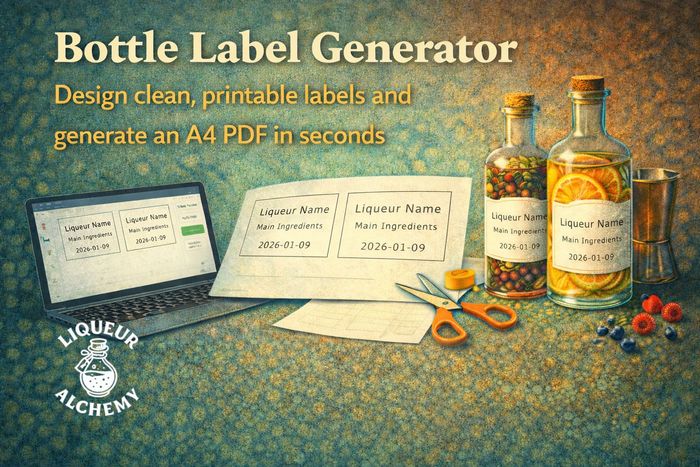
Bottle Label Generator preview

Bottle Label Generator

Create clean bottle labels with your liqueur name, batch details, date — ready for printing and gifting.
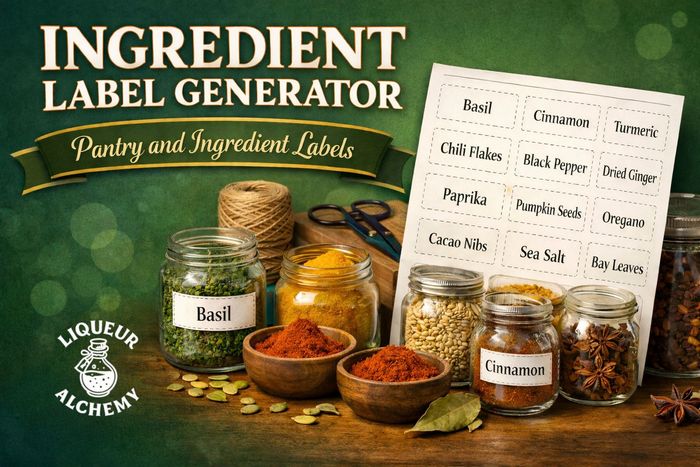
Ingredient Label Generator preview

Ingredient Label Generator

Label jars, containers, and storage bags to maintain clear organization from preparation through infusion and serving.
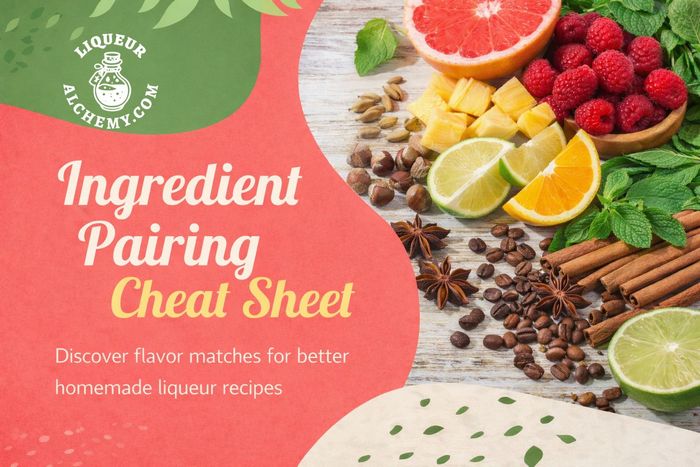
Ingredient pairing cheat sheet for creating balanced homemade liqueurs

Ingredient Pairing Cheat Sheet

Discover flavor combinations that create balanced, complex, and unique homemade liqueurs.