When should you remove star anise, cloves, cinnamon, and pepper so prune stays rich, not medicinal?
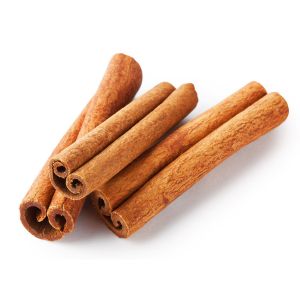
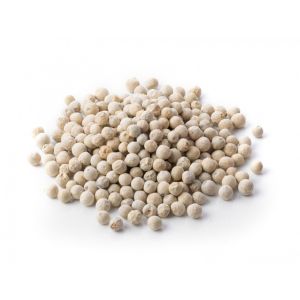
Prunes already taste dark and dessert-like, so strong spices can quickly turn the profile into cough syrup. Cloves are the biggest risk for medicinal notes, star anise can dominate with licorice, cinnamon can become woody, and white pepper can bring a papery dryness if left too long.
Use staged removal. Pull cloves first once you smell warm clove oil, before any numbing dentist note appears. Pull star anise as soon as licorice is clearly noticeable. Keep cinnamon only until it reads like soft warmth, then remove it before barkiness. Pepper should be subtle; remove it when you feel drying heat on the finish.
If the drink already tastes medicinal, strain immediately and let it rest. A small dilution often helps more than adding extra sugar, because it reduces both spice concentration and bitterness density while allowing prune aroma to re-emerge.
How do you balance orange juice and zest with prunes without making it bitter marmalade?
Orange is perfect with prunes, but bitterness appears when pith or too much zest oil gets extracted. Juice adds acidity and brightness, while zest adds perfume and oil. If zest contact runs long, the profile can drift toward bitter marmalade and hide the prune richness.
Use pith-free zest strips and remove them once the aroma is bright and fresh. Keep juice as lift, not the main flavor driver. If it tastes bitter, do not add more orange; strain out zest and spices, then let it rest so bitterness softens.
If it feels dull rather than bitter, add aroma rather than acidity: a tiny fresh orange peel twist at serving works better than more juice in the bottle. Small dilution can also lift the nose without pushing it into sour territory.
Can you reduce honey in a prune liqueur and still keep a velvety mouthfeel?
Honey adds softness and viscosity, which makes prune feel plush and dessert-like. If you reduce honey too much, the drink can feel thinner and the pepper and spice dryness can become more noticeable. The goal is smooth richness without cloying heaviness.
If you reduce honey, compensate with slightly more concentrated syrup or a small amount of invert syrup to keep body. Sweeten in steps and taste chilled. If it starts feeling heavy, prefer a small dilution rather than cutting sweetness too aggressively at the end.
Resting helps enormously: prune, orange, and spices settle into a rounded profile as the syrup integrates. Many prune liqueurs taste sharper and less velvety right after sweetening, then become smoother after a few weeks.