How do you balance coconut sugar with brandy so the finish is not too caramel-heavy?
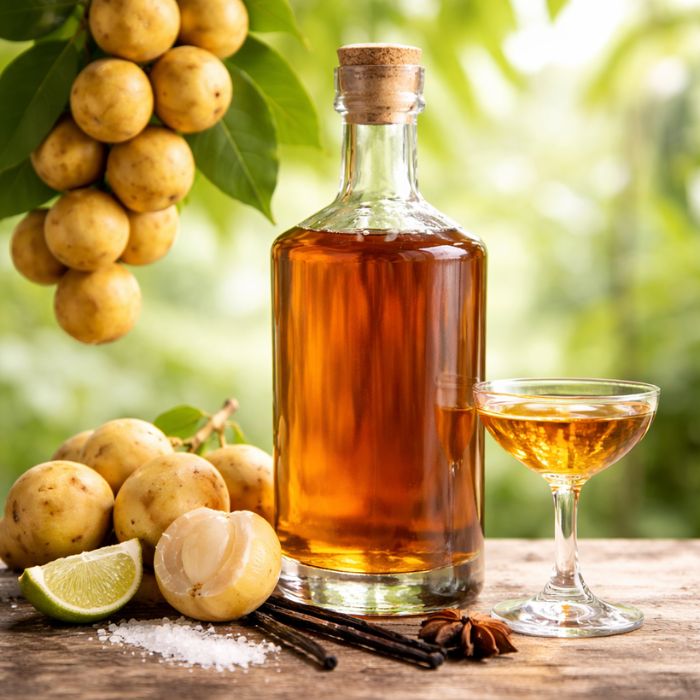
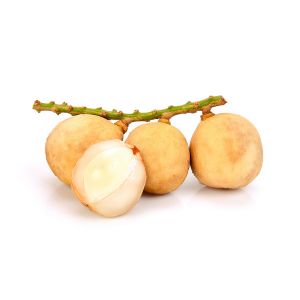
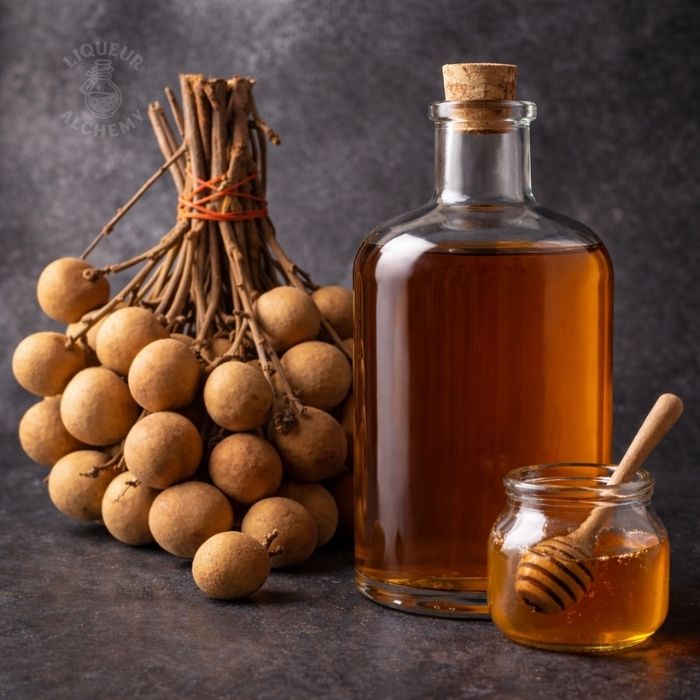
Coconut sugar brings toasted caramel depth that can be beautiful with brandy, but it also increases density. Langsat is subtle, so too much caramel weight can mute the fruit and make the liqueur feel like generic dessert sweetness. The target is warm brandy glow with a clear tropical floral core.
Taste chilled and if it feels heavy, dilute slightly first. Lowering density often brings fruit perfume forward immediately. Keep coconut sugar as a background bass note and avoid adding extra sweeteners. A pinch of salt helps sharpen fruit and can reduce the perception of cloying sweetness.
Resting improves clarity. As the liqueur settles, brandy warmth integrates and sweetness feels less aggressive. Re-taste after resting and adjust only in small steps. If fruit still feels quiet, do not add more sugar; lift aroma with tiny dilution and patience.
Why can a tropical fruit liqueur turn cloudy, and how do you finish it cleanly?
Cloudiness often comes from fruit pectin, fine solids, and natural oils, especially after sweetening. Brandy and coconut sugar can also make haze more noticeable because they add color and body. Haze is not automatically a problem if aroma and taste are clean.
To finish cleanly, let the bottle rest undisturbed so solids settle. Rack the clear portion and filter in stages. Chilling can help drop haze by making some components separate more clearly. Avoid aggressive filtering too early; the best clarity often comes from patience.
If it remains slightly hazy, accept a gentle glow as part of the style. Focus on clean flavor and a smooth finish. Excessive filtering can strip aroma, which is risky with delicate fruit like langsat. A careful rest, rack, and light filter usually gives the best balance between clarity and fragrance.
When should you remove lime zest and vanilla so langsat stays floral, not bitter or creamy?
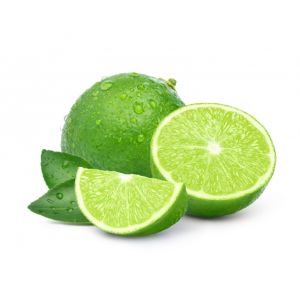
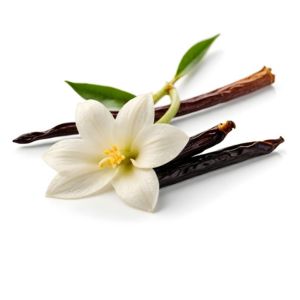
Langsat is delicate and lightly floral, and it can be easily crowded by citrus oil and vanilla sweetness. Lime zest can become bitter if pithy or left too long, and vanilla can blur the fruit into generic dessert notes. The goal is bright, moonlit fruit with gentle warmth.
Remove lime zest once the aroma is fresh and lifted, before any marmalade bitterness appears. Remove vanilla when it gives soft roundness but before it becomes the main flavor. If you are unsure, pull both earlier than you think and rely on resting to smooth the profile.
If the drink becomes bitter or too vanilla-forward, strain immediately and rest. A small dilution can lift the fruit aroma and soften the finish. Avoid piling on more sugar to fix bitterness; it often creates a sticky bitter-sweet. Clean straining, time, and gentle dilution work better.