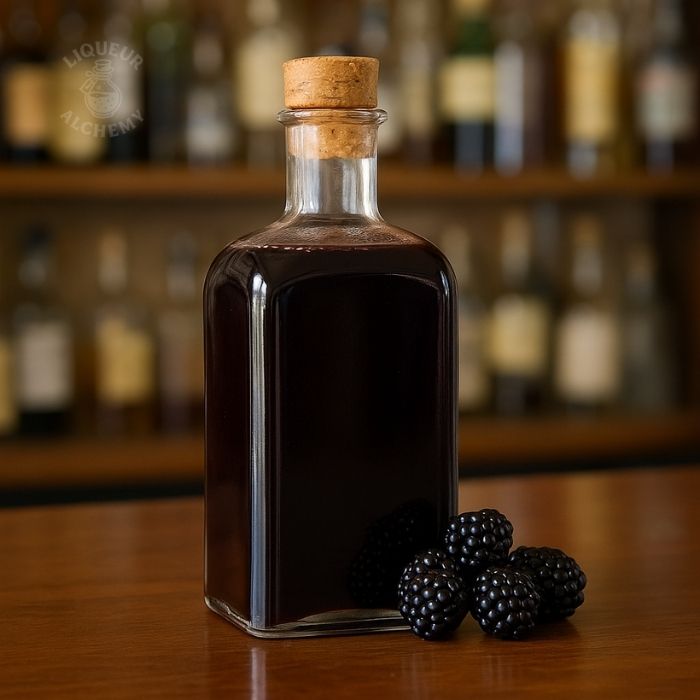
How do you balance muscovado with berries so it doesn’t taste like molasses jam?
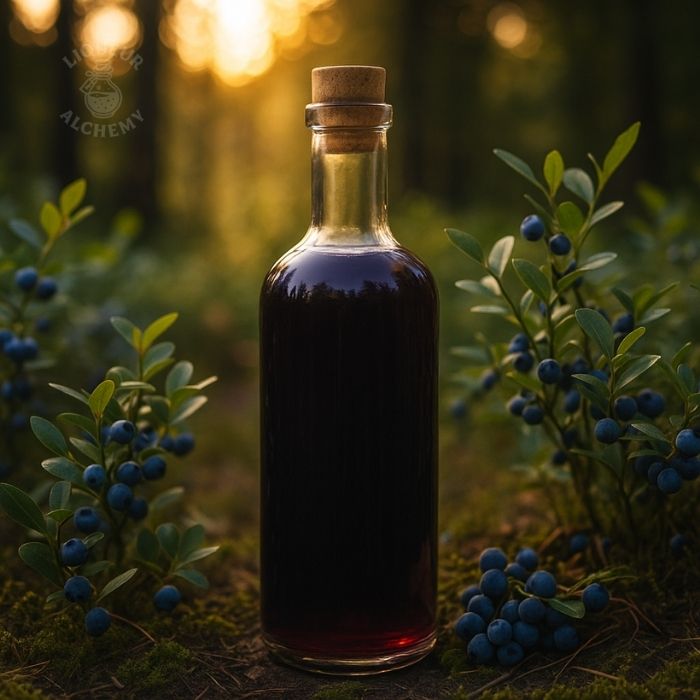
Muscovado is powerful: it brings deep molasses notes that can mute berry perfume and push the profile toward “dark syrup.” With blackberry, you want depth underneath, not a molasses blanket on top. Too much muscovado also increases perceived thickness and can make the finish feel heavy.
Keep muscovado as an accent and build sweetness with white and cane sugars for cleaner lift. Taste chilled: cold tasting shows whether the berry still pops. If it tastes jammy or dull, stop adding sugar and try a small dilution—density reduction often lifts fruit aroma instantly.
Resting helps. Dark sugar edges soften over time, and berry aroma can re-emerge as the blend integrates. If, after resting, it still tastes heavy, consider a tiny acidity lift (not a lot—just enough to brighten), but dilution is usually the cleaner first move.
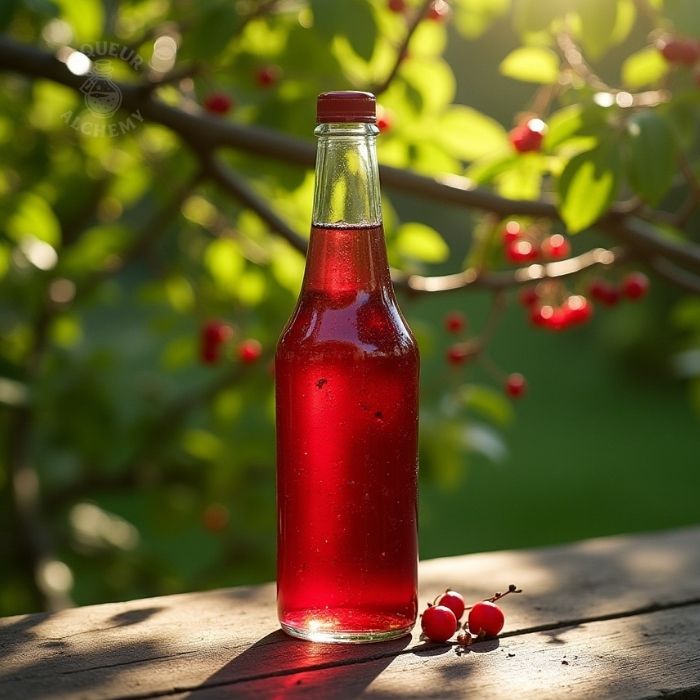
Why can a blackberry liqueur turn cloudy or gritty, and how do you clarify it gently?
Blackberries contain fine pulp and pectin that easily suspend in alcohol, and adding sugar increases viscosity so haze becomes more visible. If spices were ground or broken, they can also contribute tiny particles that create grit. This is usually a clarity issue, not a safety issue, if aroma and taste are clean.
Let it settle undisturbed for several days to a week, then rack the clear portion off the sediment. Filter in stages: coarse straining first, then a finer filter after most solids drop. Avoid shaking—agitation keeps particles floating and makes filtering harder.
A short cold rest can help particles drop faster. If it’s still hazy, repeat the settle-and-rack cycle rather than forcing a single aggressive filtration. Patience preserves berry aroma and keeps the mouthfeel round.
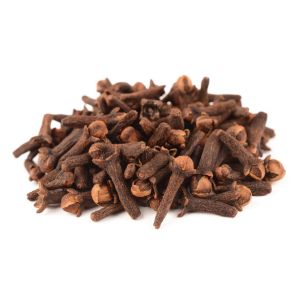
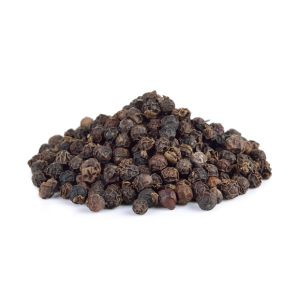
When should you remove star anise, cloves, allspice, and pepper from blackberries?
Blackberries are juicy but not as forceful as heavy spices. Clove and star anise can dominate quickly, allspice can pile on “holiday warmth,” and pepper can turn dry and woody. If the nose starts leaning licorice-forward or clove-oily, you’re already near the line.
Use staged removal. Pull cloves first when you smell warmth and a slight numbing edge. Pull star anise once licorice becomes obvious on the nose. Allspice can stay a bit longer for roundness, but remove it if it begins tasting like spiced syrup. Pepper should be background only; remove it at the first papery dryness.
If you overshoot, don’t keep sweetening—sugar amplifies spice. Strain immediately, rest, then correct with slight dilution. Blackberry aroma often rebounds after settling and a week or two of quiet rest.