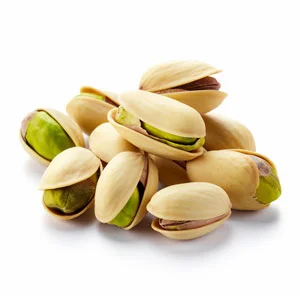
Pistachios

Pistachios in Liqueur Making: Creamy, Nutty Flavor and Richness

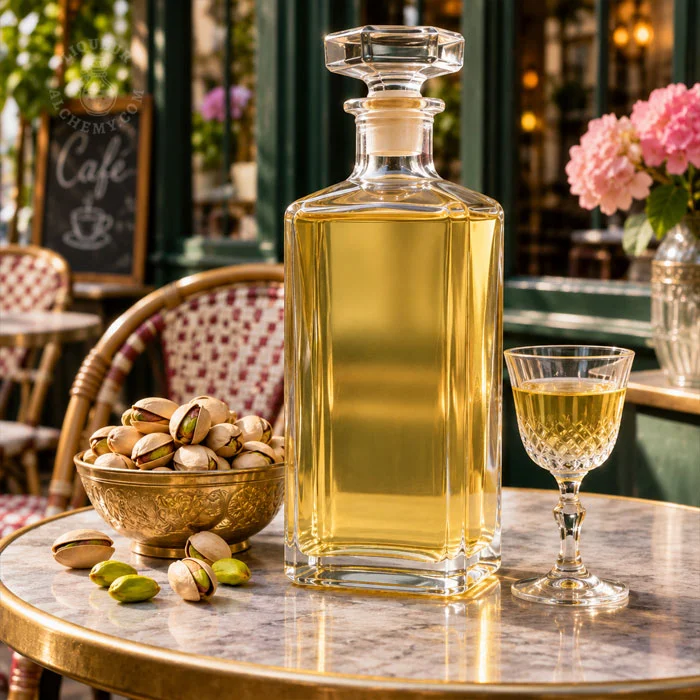
Pistachios contribute a delicate roasted-nut aroma, buttery richness and subtle natural sweetness to homemade liqueurs. Their green, earthy character pairs beautifully with vodka, vanilla, honey and cardamom. Light toasting can intensify their flavour, while prolonged infusion may extract excess oils and create haze. Careful filtration helps improve clarity, although some cloudiness may remain. In finished liqueurs, pistachios add a rounded mouthfeel, dessert-like depth and a lingering nutty finish.

Pistachios

Home / Ingredients / Nuts / Pistachios

Pistachios Flavor Profile

Delicate roasted nuttiness, buttery richness, mild sweetness, subtle earthy-green notes and a soft, lingering finish.
Pistachios Impact on Liqueurs

Adds creamy nut character, aromatic depth and a rounded mouthfeel. Natural oils may produce haze or sediment, requiring careful straining and filtration.

How to Use Pistachios?

Use fresh, shelled, unsalted pistachios. Chop coarsely to expose more surface area; toast lightly for a deeper roasted flavour, then cool completely. Infuse in vodka for approximately 2–4 weeks, tasting regularly. Avoid over-toasting and excessive maceration, which can introduce bitterness. Strain through a fine sieve, then filter as needed. Allow the liqueur to rest before bottling; some natural cloudiness may persist.

Pistachios Pairing Suggestions

Vodka, Honey, Vanilla, Cardamom, Almond, Orange, Cinnamon, Saffron, Coffee
Pistachios FAQ


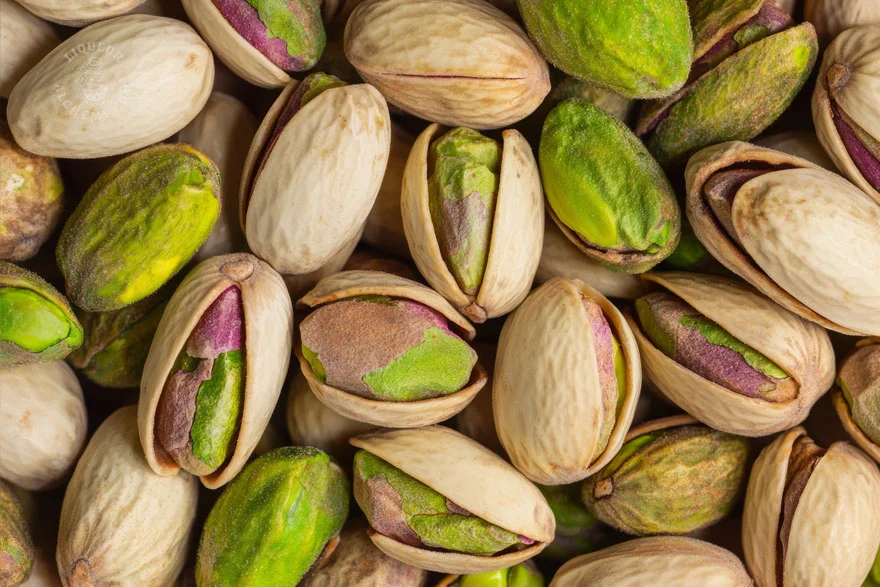
Pistachios contribute flavor when alcohol penetrates their exposed surfaces and dissolves some of their aroma compounds. Chopping shelled kernels increases contact with the liquid, helping the infusion develop a recognizable nutty character. Vodka at around 40% ABV is a practical neutral base because it carries delicate toasted, buttery and green notes without masking them. Extraction is gradual rather than instantaneous, and the intensity depends on freshness, particle size, temperature and the proportion of nuts to alcohol.

A light toast can develop additional roasted aromas through browning reactions, but the kernels must cool before being added to the spirit. Alcohol does not dissolve every component equally: some fats remain as droplets or suspended material, while other aromatic compounds move into the liquid. Gentle occasional agitation can improve contact, but aggressive blending often creates a difficult-to-filter emulsion. Taste a small sample regularly rather than assuming a fixed number of days will suit every batch.

For a controlled experiment, start with roughly 150–250 g of unsalted, shelled pistachios per litre of vodka, then compare samples over two to four weeks. Strain when the aroma is sufficiently pronounced, even if that happens earlier. A resting period after filtration helps the spirit integrate with any added sweetener. The final liqueur will usually taste less like a thick pistachio cream and more like a delicate, aromatic nut infusion.

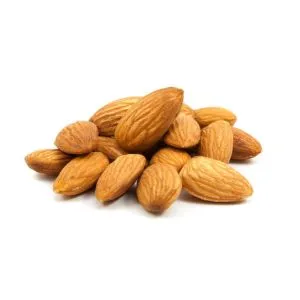
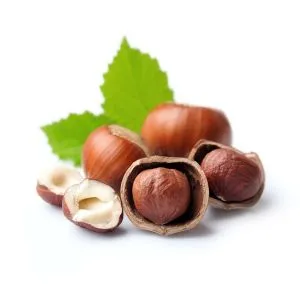
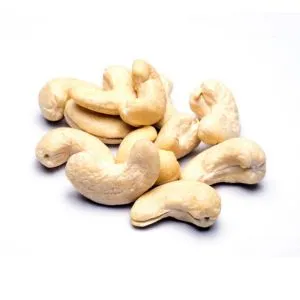
Almonds, hazelnuts and cashews can replace pistachios in a vodka-based liqueur, but each changes the flavor profile. Almonds provide a mild, sweet nut character, hazelnuts create a more pronounced toasted aroma, and cashews contribute a softer, buttery impression. None reproduces pistachios exactly, especially their distinctive green, slightly earthy notes. Choose the substitute according to the finished drink you want rather than expecting an identical result.

For a comparable starting point, use shelled, unsalted nuts and begin with a similar weight to the pistachios specified in the original recipe. Chop them coarsely and taste the infusion during maceration, because different nuts release flavor at different rates. A light toast can deepen hazelnut or almond aromas, while excessive roasting may dominate delicate additions such as vanilla or cardamom. Use food-grade, edible sweet almonds rather than bitter almonds or unknown kernels.

If you want to preserve a pistachio-like dessert profile, cashews blended conceptually with a small amount of almond flavor can offer richness, though the result will still be distinct. Honey or vanilla can round off the substitution, while citrus zest provides contrast. Remember that replacing one tree nut with another does not make the liqueur suitable for people with tree-nut allergies. Clearly identify the actual ingredients on any bottle shared with others.

A useful starting range for shelled pistachios in 40% ABV vodka is approximately two to four weeks. This is a tasting window rather than a strict requirement: finely chopped, lightly toasted nuts may develop a strong aroma sooner, while whole kernels can take longer. The goal is a pleasant nutty infusion without excessive woody, bitter or stale notes. Store the jar sealed and away from heat and direct sunlight while flavor develops.

Taste a small amount after the first week, then every few days as the aroma strengthens. Record the amount of pistachios, the spirit strength and any roasting treatment so you can reproduce a successful batch. Occasional gentle swirling is sufficient to maintain contact; vigorous shaking is not necessary. If the infusion becomes oily or cloudy, extending maceration will not necessarily improve it and may make subsequent filtration harder.

Once the desired flavor is reached, remove the solids promptly and strain through a fine sieve. Allow the liquid to settle before filtering more finely, and only then begin adjusting sweetness. Vanilla or cardamom may require a shorter exposure than the pistachios, so they can be added later and removed independently. After sweetening, rest the liqueur for at least several days, preferably a couple of weeks, to judge the final balance. Always prioritize tasting over a calendar deadline.

Bitterness in pistachio liqueur often comes from excessive roasting, stale nuts or leaving the solids in alcohol longer than the flavor requires. Deeply browned or scorched kernels can introduce harsh, burnt notes that syrup cannot fully conceal. Old pistachios may also contain oxidized fats that taste unpleasantly rancid. Always smell and taste a few kernels before beginning, and discard any that have a paint-like, sour or stale aroma.

Another common mistake is grinding the nuts into a very fine paste. This increases surface area but also disperses more oils and tiny particles, complicating filtration and sometimes producing a heavy, muddy finish. Adding too much cinnamon, cardamom or citrus pith can contribute bitterness that is wrongly blamed on the pistachios. Introduce strong spices separately or for shorter periods so their extraction can be controlled independently.

To prevent problems, use fresh unsalted kernels, toast gently if desired and cool them completely before infusion. Start tasting after the first week and strain when the nut aroma is balanced. If bitterness is mild, a little syrup or vanilla may soften the perception, but it will not remove the bitter compounds. If the liqueur tastes burnt, rancid or otherwise defective, replacing the batch is better than trying to mask it with large amounts of sugar.

Pistachios contribute a naturally mellow, buttery and gently sweet impression, but they do not add enough dissolved sugar to sweeten a liqueur on their own. Their aroma can make vodka taste softer and more dessert-like even before syrup is added. Natural fats and fine suspended particles may also increase the perceived body of the drink, although the actual texture depends on filtration and how much oil remains dispersed.

Because the nut flavor already suggests richness, it is easy to add too much honey or sugar. Start with a modest quantity of cooled syrup after the pistachios have been strained, then taste and increase gradually. Honey brings its own floral character and can compete with delicate pistachio notes, whereas plain white sugar provides a more neutral sweetness. A small amount of orange zest or a restrained spice addition can make an overly heavy profile feel brighter.

Judge sweetness at the intended serving temperature because chilling can change how intensely flavors are perceived. Let the sweetened liqueur rest for several days before making final adjustments. If the drink seems oily, extra sugar will not solve the underlying texture issue; settling and careful filtration may help. For a transparent, light style, favor a cleaner infusion and restrained sweetening. For a richer dessert-style liqueur, accept that some natural haze may remain.
Pistachios
Pistachios in Liqueur Crafting

More Nuts


RELATED RECIPES OF LIQUEUR ALCHEMY


Explore more creations from Liqueur Alchemy that share similar flavours, techniques, or ingredients. These related recipes offer fresh ideas and inspired combinations to help you craft your next bold, homemade spirit.

LIQUEUR ALCHEMY TOOLS & RESOURCES


Design labels in minutes—beautiful, practical, and ready to print. Choose a tool below to generate bottle or ingredient labels that match your Liqueur Alchemy workflow.
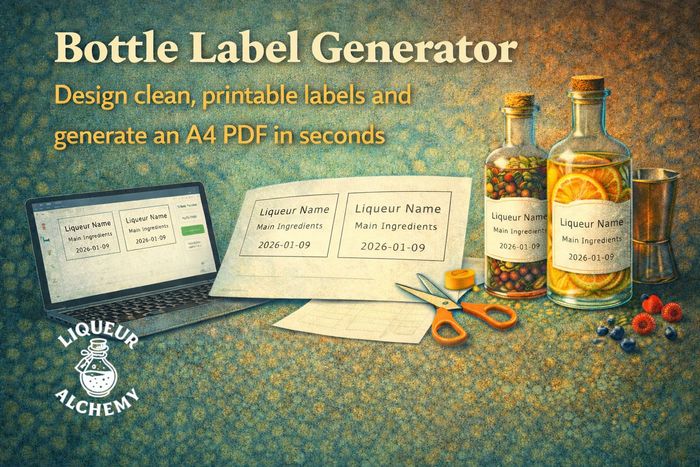
Bottle Label Generator preview

Bottle Label Generator

Create clean bottle labels with your liqueur name, batch details, date — ready for printing and gifting.
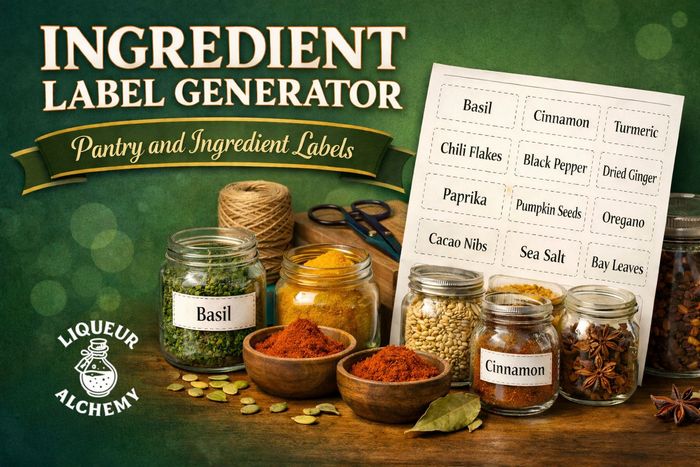
Ingredient Label Generator preview

Ingredient Label Generator

Label jars, containers, and storage bags to maintain clear organization from preparation through infusion and serving.
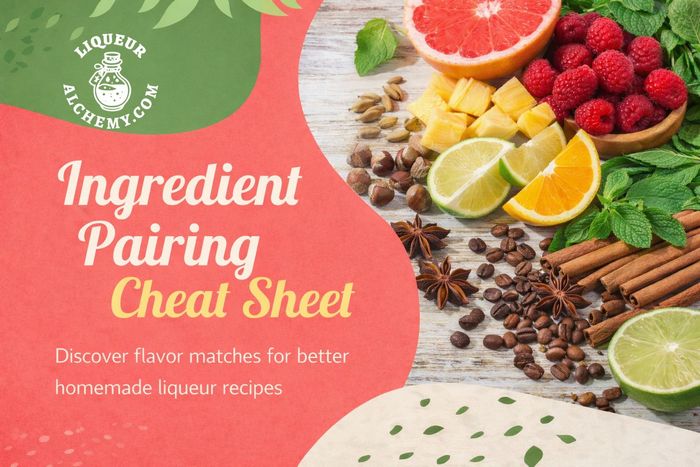
Ingredient pairing cheat sheet for creating balanced homemade liqueurs

Ingredient Pairing Cheat Sheet

Discover flavor combinations that create balanced, complex, and unique homemade liqueurs.