Can you substitute lemon juice for lemon peel in liqueur?
Peel and juice are not interchangeable. Lemon peel gives aromatic oils and perfume; lemon juice adds acidity and water. Adding juice directly can dilute alcohol and make the liqueur unstable or cloudy if not balanced carefully.
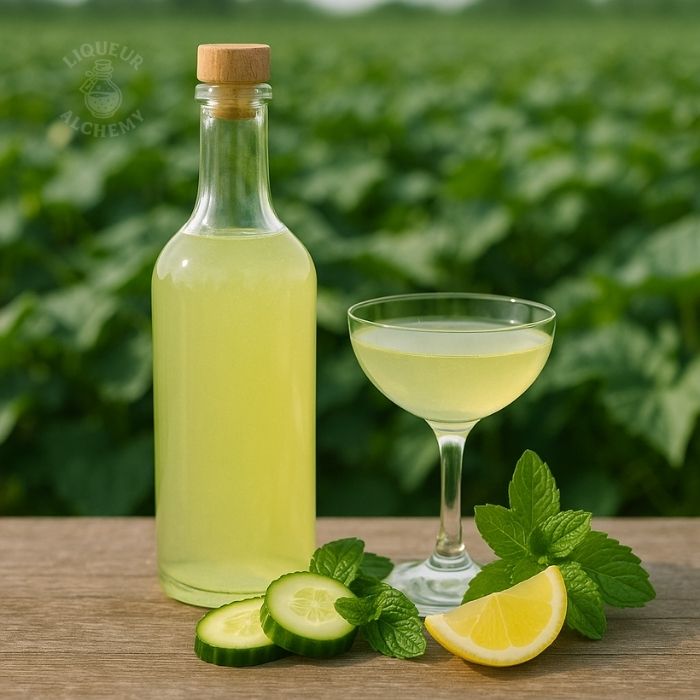
If you want a “lemonade” style liqueur, you can add a small amount of juice after extraction and sweetening, but do it gradually and keep the final ABV in a safe range. Juice is best treated as a finishing adjustment, not the main flavor source.
For classic lemon liqueur flavor, rely on zest for aroma and use acid (juice or citric acid) only to fine-tune brightness at the end.
How do you avoid bitter lemon liqueur when using lemon peel?
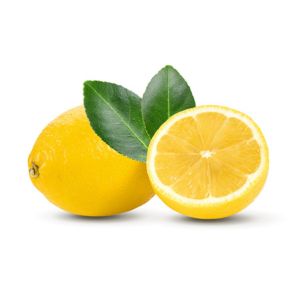
Lemon bitterness almost always comes from pith—the white layer under the yellow zest. In alcohol, pith extracts harsh compounds quickly, especially if peel pieces are thick or macerated too long.
Use a sharp peeler to take only the yellow zest in thin strips, and keep the infusion cool and controlled. Taste early: lemon oils extract fast, so you often need days, not weeks.
If bitterness creeps in, strain immediately and balance with sweetness and rest. You can also blend with a clean base infusion to dilute bitterness, but preventing pith contact is the real key.
How long should lemon zest be infused in alcohol?
Lemon zest is a fast extractor. Bright citrus oils often peak within 24–72 hours, depending on spirit strength, peel thickness, and temperature. Leaving zest for weeks can push the profile toward harshness or dull, waxy notes.
Taste daily and remove the zest when the aroma is vivid and clean. If you want more lemon intensity, do a second short infusion with fresh zest rather than one long soak.
After straining, sweeten and rest. Lemon liqueurs often taste sharper right away, then become smoother and more integrated after 1–2 weeks of rest.