Can I substitute kokum with tamarind, hibiscus, or citric acid in liqueurs?
Yes, with different results. Tamarind adds sour plus caramel depth and can feel thicker; hibiscus adds tartness plus floral berry notes and strong color; citric acid adds clean, sharp brightness with no fruit character. Choose based on whether you want flavor or just acidity.
If substituting, start low and add gradually. For tamarind, use a small concentrate and strain well; for hibiscus, steep briefly to avoid bitterness; for citric acid, dissolve and add by drops. The safest method is always dosing after straining the main infusion.
Common mistakes include stacking multiple acids and overshooting tartness so the liqueur tastes sour and thin. Flavor impact should feel “lifted,” not harsh. Store cool; acid-forward liqueurs are generally stable.
What is kokum, and how do I use it in liqueurs for tartness?
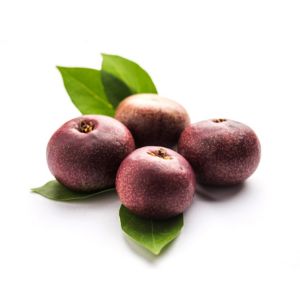
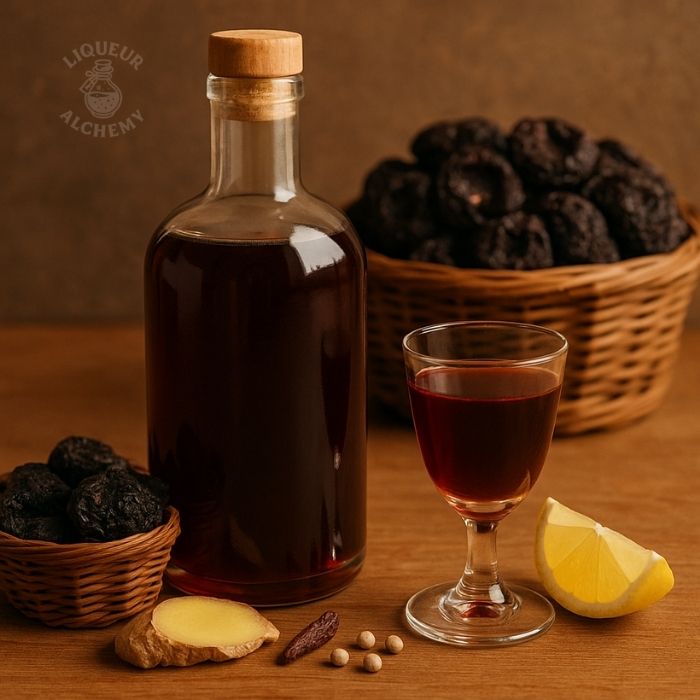
Kokum is a dried, dark purple fruit rind that’s intensely sour with a subtle fruity depth, often used to acidify drinks. In liqueurs, it’s best treated like an acid/bitter backbone rather than a main fruit. It extracts well in alcohol but can become harsh if overdone.
Timing and dosage: start with 10–25 g kokum per liter at 40–50% ABV and taste daily from day 2. Many infusions peak around 3–7 days for a clean tart snap. Strain early, then sweeten in stages—kokum needs sugar to feel round, but too much sugar can flatten its bright edge.
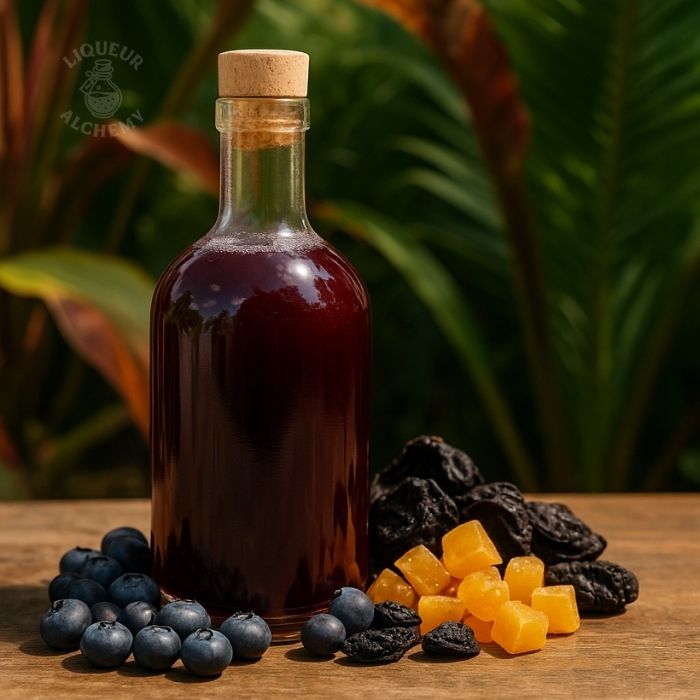
Common mistakes include using too much (mouth-puckering), steeping for weeks (woody bitterness), and adding other acids on top. Flavor impact is cranberry-meets-tamarind tartness; pairs well with mango, pineapple, and dark berries. Store cool and dark; kokum-driven brightness holds well, but citrus accents fade first.
Why did my kokum infusion taste woody or bitter, and how do I fix it?
Woody bitterness usually means over-extraction: too much kokum or too long contact. Strain immediately once bitterness appears. Then blend down with neutral spirit or a sweeter fruit base and re-balance sweetness; sugar helps, but blending is the cleaner fix.
For future batches, keep kokum in a spice bag and remove it early. You can also infuse kokum separately as a tart concentrate, then dose your liqueur base until it’s bright but not harsh.
Common mistakes include pairing kokum with bitter citrus pith and leaving both too long. Flavor impact should be tart and refreshing, not drying. Store cool and dark; bitterness becomes more obvious as aromatic top notes fade.