Fig (Dried)

Fig (Dried) for Liqueur Infusions – Flavor & Pairing Tips

Dried figs offer concentrated fruit sugars and a caramelised, almost toffee depth that enriches liqueurs with warmth and structure. Their dense sweetness builds body and smoothness, while subtle earthy notes add complexity. They infuse beautifully into brandy, rum, or spiced bases, pairing well with cinnamon, vanilla, coffee, and citrus zest. The result is a rich, comforting liqueur with a long, mellow finish.

Fig (Dried)

Home / Ingredients / Dried Fruits / Fig (Dried)

Fig (Dried) Flavor Profile

Concentrated fig sweetness, caramel notes, chewy dried-fruit richness.

Fig (Dried) Impact on Liqueurs

Adds dense sweetness and depth; excellent for winter or dessert-style liqueurs.

How to Use Fig (Dried)?

Chop dried figs; 250–400 g per 1 L. Infuse 4–8 weeks in brandy or rum.

Fig (Dried) Pairing Suggestions

rum, brown sugar, orange peel, vanilla, cinnamon, walnut, cacao, honey
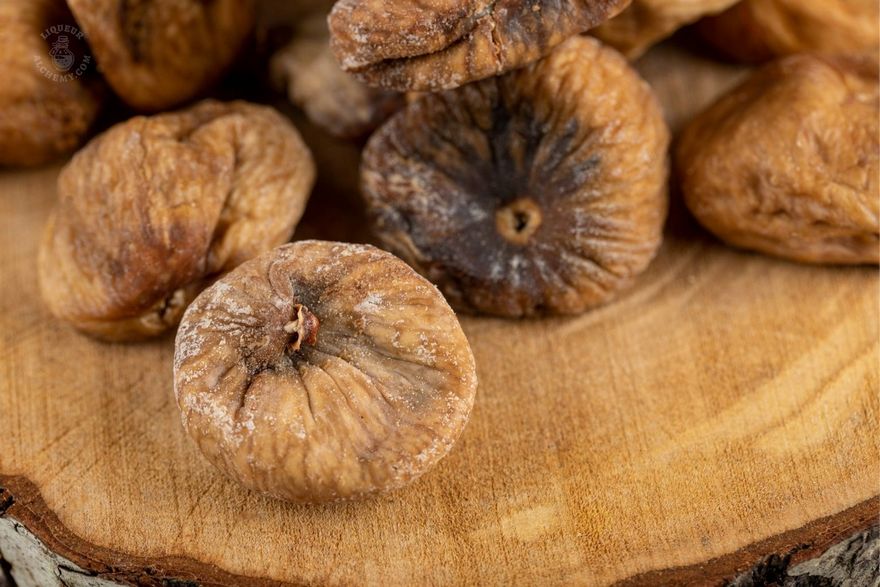
Fig (Dried) FAQ


Dried figs are known for their rich sweetness and complex flavor profile, which can significantly enhance liqueurs. During extraction, they release natural sugars and fruity notes, creating a well-rounded base. The drying process concentrates the flavors, making them potent in liqueur applications.

When soaking dried figs in alcohol, it is essential to allow adequate time for the extraction process. Typically, a period of two to four weeks is recommended for optimal flavor infusion. The alcohol will gradually draw out the fig's natural oils and essences, leading to a flavorful liqueur.

Additionally, the texture of dried figs can affect the extraction efficiency. They may need to be chopped or macerated to increase surface area, ensuring that the flavors are fully extracted into the liquid. This step can enhance the overall quality of the final product.

Several factors can influence the extraction of flavors from dried figs when making liqueurs. The type of alcohol used plays a crucial role; higher-proof spirits tend to extract flavors more efficiently than lower-proof options. Additionally, the temperature during extraction can affect the solubility of the fig's compounds, with warmer temperatures generally enhancing the process.

The duration of soaking is also vital. While a minimum of two weeks is recommended, extending the soaking time can yield a more intense flavor profile. However, it's essential to monitor the infusion closely to avoid overpowering the liqueur with fig flavors.

Lastly, the quality and variety of dried figs can impact the final product. Some varieties may have stronger flavors or different sweetness levels, which can alter the overall taste of the liqueur. Experimenting with different types can lead to unique and delightful results.

If you're looking for a substitute for dried figs, consider using dried apricots. They have a similar sweetness and texture, making them a good alternative in liqueur recipes. Just chop them into small pieces to ensure even flavor distribution.

Another option is to use prunes, which offer a rich sweetness and a hint of earthiness. Prunes can add depth to your liqueur, but be mindful of their distinct flavor, which may alter the final taste.

Lastly, raisins can also work as a substitute. They are widely available and provide a sweet, fruity flavor that can complement other ingredients in your liqueur. Adjust the quantity based on your taste preferences to achieve the desired sweetness.

Yes, you can replace dried figs with other sweeteners like honey or agave syrup. These natural sweeteners can add a different flavor profile while still providing the necessary sweetness for your liqueur. Use them sparingly, as they are liquid and can alter the overall consistency.

Maple syrup is another excellent alternative that brings a unique taste to your liqueur. Its rich, caramel-like flavor can complement various ingredients, but be cautious about the quantity to maintain balance in your recipe.

Lastly, consider using brown sugar as a substitute. It offers a similar sweetness and can enhance the depth of flavor in your liqueur. Dissolve it in a small amount of warm water before adding to ensure it mixes well with other ingredients.

Dried figs should ideally be added during the maceration phase of liqueur making. This allows their natural sugars and flavors to infuse into the base spirit effectively. The maceration period can vary, but a duration of 2 to 4 weeks is recommended for optimal flavor extraction.

During this time, it’s important to periodically taste the mixture to gauge the flavor intensity. If the figs are left too long, they may impart an overly sweet or concentrated flavor. Monitoring the infusion process will help achieve the desired balance.

Once the maceration is complete, strain the mixture to remove the figs. This will ensure that only the rich essence of the figs remains in your liqueur, creating a deliciously unique flavor profile that enhances your final product.

One common mistake is not rehydrating dried figs before use. This can lead to a tough texture and prevent the figs from releasing their natural sweetness into the liqueur. Always soak them in warm water or alcohol to enhance their flavor and consistency.

Another mistake is using too many dried figs, which can overpower the other ingredients. It's essential to find the right balance to ensure that the fig flavor complements rather than dominates the final product. Start with a small amount and adjust according to your taste.

Lastly, some makers overlook the importance of proper storage. Dried figs should be kept in a cool, dark place to maintain their flavor and prevent spoilage. Storing them improperly can lead to a decline in quality, affecting the overall taste of your liqueur.

To avoid mistakes, always start by rehydrating your dried figs. This process not only softens them but also allows the figs to infuse their flavors more effectively into the liqueur. Soaking them in warm water or your base alcohol is recommended.

Be mindful of the quantity you use. It’s easy to get carried away with the rich flavor of figs, but too many can overwhelm the liqueur. A good rule of thumb is to start with a small amount and taste as you go, adjusting as necessary.

Finally, ensure you store your dried figs properly. Keeping them in airtight containers in a cool, dark environment will help preserve their flavor and prevent spoilage, ensuring the best results in your liqueur-making process.

Dried figs impart a rich, sweet flavor profile that can enhance the overall taste of liqueurs. Their natural sweetness can balance out more bitter or acidic ingredients, creating a harmonious blend. The unique taste of figs also adds depth, making the liqueur more complex and enjoyable.

In addition to sweetness, dried figs contribute subtle notes of caramel and honey, which can elevate the drinking experience. This complexity is particularly beneficial in dessert liqueurs or those aimed at a sweeter palate. The fig's flavor can also evoke a sense of warmth, making it a cozy addition to seasonal beverages.

When using dried figs, it's essential to consider their moisture content and how it interacts with other ingredients. Properly balancing the amount of fig used can ensure that the liqueur achieves the desired flavor without becoming overly sweet. Experimenting with different proportions can lead to delightful results.

Dried figs contribute a distinct aroma that can significantly enhance the olfactory profile of liqueurs. Their sweet, fruity scent is inviting and can evoke memories of warm, sun-drenched orchards. This aromatic quality can attract consumers and create a memorable drinking experience.

The fragrance of dried figs often carries hints of caramel and earthiness, which can complement other ingredients in the liqueur. This complexity in aroma can make the drink more intriguing and layered, encouraging sippers to explore its nuances. The olfactory experience is essential in crafting a liqueur that captivates the senses.

When incorporating dried figs, it's important to consider how their aroma interacts with other flavors. Balancing the fig's scent with additional botanicals or spices can create a well-rounded liqueur that delights both the nose and palate. A thoughtful approach to aroma can elevate the overall quality of the final product.

Dried figs should be stored in a cool, dry place to maintain their freshness. An airtight container is ideal, as it prevents moisture and air exposure that can lead to spoilage. A pantry or cupboard away from direct sunlight is a great choice.

For longer storage, consider refrigerating dried figs. This can extend their shelf life significantly, keeping them fresh for several months. Make sure to seal them properly to avoid absorbing other odors from the fridge.

If you notice any signs of mold or an off smell, it's best to discard the figs. Regularly check your stored figs to ensure they remain in good condition for your liqueur recipes.

Before using dried figs in liqueur making, it's essential to rehydrate them for better flavor and texture. Soaking them in warm water or alcohol for about 30 minutes will soften them, allowing their natural sweetness to infuse into your liqueur.

After soaking, chop the figs into smaller pieces to maximize their surface area. This ensures that the flavors are fully extracted during the infusion process. You can also blend them into a paste for a more concentrated flavor.

Always remember to strain the mixture after the infusion period to remove any solids. This will give your liqueur a smooth texture and enhance its overall quality.

Often less than you think. Dried figs contribute a lot of sweetness and body, so always strain and taste before adding syrup. If it needs sweetness, add it in small steps—dried-fig liqueurs can become cloying quickly.

If you want more body without more sweetness, slightly increase ABV or use a richer syrup concentration and add less volume. A tiny pinch of salt can also sharpen perception and reduce the “flat sweet” feeling.

Common mistakes include adding a full syrup amount up front and losing fig complexity. Flavor impact should be deep fruit, not sugary candy. Store cool and dark; sweetness is stable, but aroma benefits from low oxygen and cooler temps.

Dried figs are often easier for liqueur because they bring concentrated sweetness and a richer, raisin-like depth with less messy pulp than fresh figs. They extract more slowly and steadily. Use 40–50% ABV and start with 150–300 g dried figs per liter.

Timing: taste at 1 week; many dried-fig infusions peak around 2–6 weeks depending on cut size. Chop or halve to speed extraction, but expect more sediment. Strain, cold-settle, then sweeten only if needed—dried figs can make the base surprisingly sweet.

Common mistakes include using stale figs, steeping warm, and over-spicing. Flavor impact is deep, honeyed dried fruit, great with brandy or rum. Store cool and dark; dried-fig profiles age well and round out over a month.

Musty notes usually come from old dried figs or figs stored poorly (they absorb pantry odors). If the figs smell musty before infusion, the liqueur will too. Unfortunately, mustiness is hard to remove once extracted—blending down and adding bright citrus zest briefly can reduce it, but it rarely fully disappears.

Prevention: buy fresher figs, store them sealed, and rinse briefly to remove surface dust, then pat dry. Keep maceration cool and dark, and avoid grinding figs into paste.

Common mistakes include using packs that have sat open and steeping for months. Flavor impact should be rich and jammy, not damp cardboard. If mustiness is strong, it’s best to discard and restart with better fruit.
Fig (Dried)
Fig (Dried) in Liqueur Crafting

More Dried Fruits