Grapefruit Ginger Zing


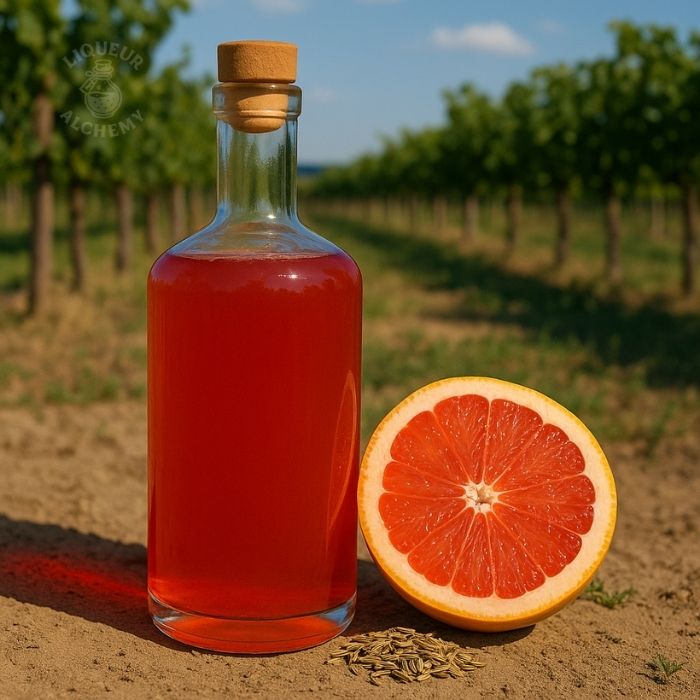
Grapefruit ginger vodka with chilli, fennel and star anise

Grapefruit Ginger Zing is a radiant blend born from the meeting of sunlit citrus groves and the earthy warmth of spice. Fresh grapefruit lends its sharp tang and bright aroma, while slices of golden ginger weave in a lively rhythm of heat and depth. Sweetened naturally with dates, raisins, and three kinds of sugar, the liqueur unfolds in layers — zesty, warming, and subtly sweet. A flicker of chili gives it that final spark, the “zing” that wakes the palate and enlivens the soul. Each sip glows like a sunrise, bright yet grounded, leaving behind a smooth, spicy warmth. It’s a drink for those who love contrasts — light and fire, sweetness and bite, comfort and energy — all bottled into one vibrant elixir of joy


Grapefruit Ginger Zing – Liqueur Alchemy

Ingredients

  • Vodka – 1.4 L
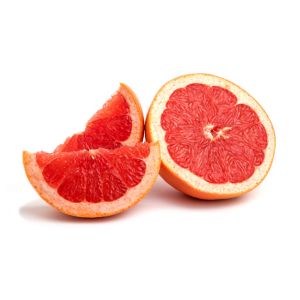
  • Grapefruit – 2 pcs (300ml)
  • Ginger Root – 100 g
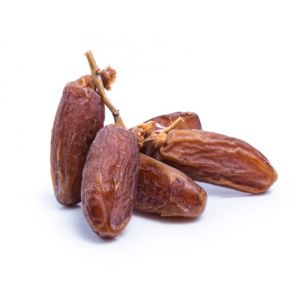
  • Dates – 80 g
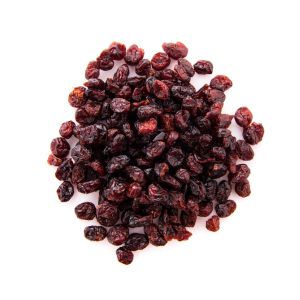
  • Raisins (Sultanas) – 30 g
  • Brown sugar (Muscavado) - 35 g
  • Cane sugar – 35 g
  • White Sugar – 35 g
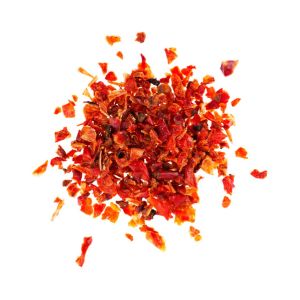
  • Chili flakes - ½ tea spoon
  • Staranise – ½ star
  • Fennel Seeds – ½ tea spoon

Preparation

  1. Wash, zest, and juice grapefruits (≈300 ml juice), avoiding the white pith.
  2. Peel and thinly slice fresh ginger root.
  3. Chop dates and combine with raisins in a sterilized 2 L glass jar.
  4. Add grapefruit zest, ginger, chili flakes, star anise, and fennel seeds.
  5. Add brown, cane, and white sugars directly to the jar.
  6. Pour in vodka and fresh grapefruit juice; stir or shake gently to mix.
  7. Seal tightly and store in a cool, dark place for 3–4 weeks, shaking every few days.
  8. Strain through fine cloth, pressing solids lightly; filter again for clarity.
  9. Bottle, seal, and mature for another 2 weeks before serving chilled or over ice — a spirited balance of zest, spice, and warmth.
Download

Who is "Grapefruit Ginger Zing" Liqueur for?

For bold citrus fans who want grapefruit bite, ginger heat, and a spicy-anise flicker with dried-fruit depth. Ideal for adventurous palates and late-night sippers who love zingy, layered intensity. A confident, high-energy liqueur for people who like sweetness with attitude.

"Grapefruit Ginger Zing" Liqueur Serving Suggestions

Serve cold in a small rocks glass, neat or over one clear ice cube. Great as an after-dinner “zing” or punchy evening sip. Let it warm slightly to open fennel and dried-fruit notes. A thin grapefruit twist adds aroma without extra bitterness.

Grapefruit Ginger Zing Liqueur FAQ


When should you remove ginger, chili flakes, and star anise so grapefruit doesn’t turn bitter or too hot?

Grapefruit bitterness is easy to amplify, and ginger/chili can make that bitterness feel harsher. Star anise can also push the profile into licorice-citrus fast. The goal is zesty grapefruit with ginger warmth and controlled chili sparkle.

Taste early and remove chili first—heat keeps building and can linger even after straining. Remove star anise the moment licorice is clearly noticeable. Ginger can stay longer, but pull it if the finish becomes peppery-hot rather than fresh and warming.

If it ends up bitter-hot, strain everything and rest. A small dilution often calms both heat and bitterness better than adding more sugar. After resting, adjust sweetness in tiny steps, tasting chilled.

What can replace dates, sultanas, and the three-sugar blend without losing body in a citrus liqueur?

Dates and sultanas add viscosity and a warm dried-fruit roundness that keeps grapefruit from feeling thin. The three sugars (white, cane, muscovado) build layered sweetness: clean, warm, and deep. If you remove too much of this structure, grapefruit can feel sharp and hollow.

For dried fruit, dried figs can replace dates for body; raisins can replace sultanas but may taste more winey. For sugars, you can simplify to white plus a small amount of brown sugar, or use a neutral invert syrup to mimic soft mouthfeel.

Whatever you swap, sweeten gradually and taste chilled. If it still feels thin, a slightly more concentrated syrup often works better than just adding more sugar. Rest also helps dried fruit and spice integrate into a smoother finish.

How do you keep fennel from tasting soapy and stop grapefruit from turning medicinal?

Fennel seeds can be bright and sweet-anise in small doses, but over-extraction turns them soapy and perfumey—especially alongside grapefruit bitterness. Grapefruit can also go medicinal if pith or peel oil creeps in, or if bitter compounds stack with anise-like notes.

Use fennel as a short accent: remove once the aroma is lightly herbal and fresh. Avoid grapefruit pith; use juice and (if using zest) keep it pith-free and remove it early. If the profile starts tasting like cough syrup, strain immediately and rest.

If it’s already medicinal, don’t “fight” it with more spice. Dilute slightly to lift aroma and reduce density, then sweeten in tiny steps after resting. Many harsh edges soften with time once solids are removed.

RALETED RECIPES OF LIQUEUR ALCHEMY


Explore more creations from Liqueur Alchemy that share similar flavours, techniques, or ingredients. These related recipes offer fresh ideas and inspired combinations to help you craft your next bold, homemade spirit.